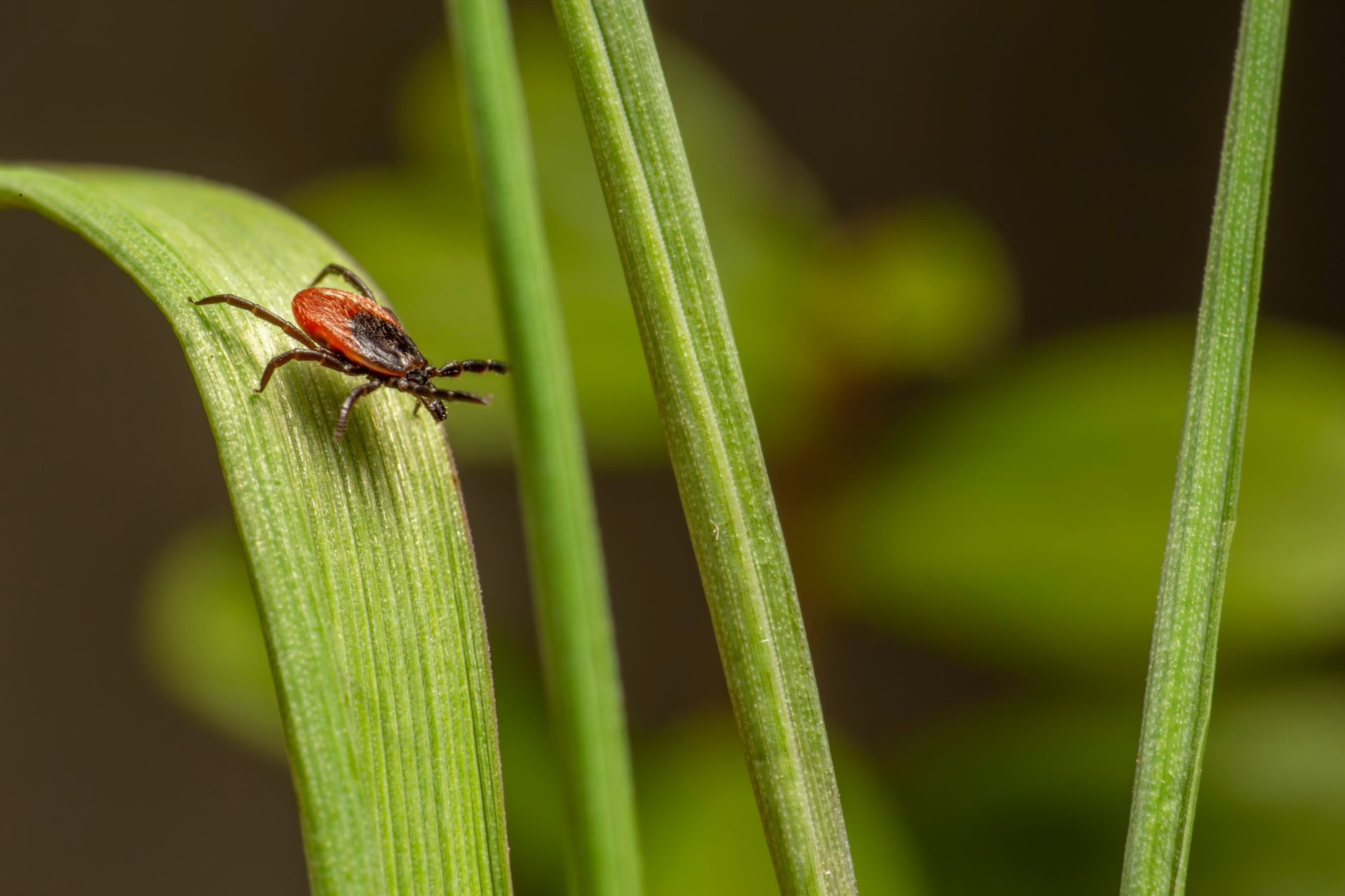
Rising Tick Threat
Public health experts are warning that the current tick season is shaping up to be one of the worst in the past decade, prompting renewed focus on managing tick populations and the diseases they carry. Tick-borne illnesses, including Lyme disease and potentially life-threatening alpha-gal syndrome, are on the rise, particularly in the Northeast.
Alison Hinckley, an epidemiologist with the Centers for Disease Control and Prevention specializing in Lyme disease, noted that ticks are prevalent and that areas where Lyme disease occurs are seeing a significant uptick. May and June are considered prime time for tick activity.
The Role of Deer
The resurgence of white-tailed deer, especially in the Northeast, is closely linked to the increase in tick bites and associated diseases. A century ago, deer populations were nearly depleted in the region, but conservation successes have led to a significant overpopulation in some areas.
Lea Hamner, an epidemiologist focused on tickborne diseases, explained that deer serve as a primary host for ticks, particularly for mating. She described deer as the “party bus or the singles bar for ticks.” As deer roam, they drop ticks, which then lay eggs, leading to more ticks in the environment. Martha’s Vineyard, for example, has an average of more than 50 deer per square mile, far exceeding state recommendations.
Beyond increasing tick populations, excess deer can also cause ecological damage through overgrazing and contribute to vehicle collisions.
Emerging Health Concerns
While deer ticks are known to transmit Lyme disease, the arrival of the lone star tick from the Southeast in 2011 has introduced new concerns. Lone star tick bites are often more severe and can cause alpha-gal syndrome, a condition that triggers severe allergic reactions to red meat and other mammalian products. This syndrome can also lead to sensitivities to dairy, gelatin, and certain personal care products.
The Massachusetts Department of Public Health, through state epidemiologist Catherine Brown, has begun requiring reporting of alpha-gal syndrome cases to better track its prevalence. Chefs and businesses are struggling to adapt menus and products to accommodate individuals with these new allergies.
Control Efforts and Future Outlook
Current strategies for tick control have yielded limited success. Researchers have experimented with spraying yards, treating individuals, and creating special nests for mice, but these methods have not significantly reduced tick populations or bite incidents.
Stephen Rich, executive director for the New England Center of Excellence in Vector-borne Diseases, is exploring novel approaches, including adapting oral medications that make pets’ blood toxic to fleas and ticks for use in deer. However, differences in deer digestive systems and their status as a food source present challenges.
In New York City, Staten Island is experimenting with sterilizing male deer to control their population. While this has stabilized birth rates since 2016, the existing deer population remains large.
Public health officials emphasize that individual measures like tick checks and repellent use are important but not sufficient. The development of a Lyme disease vaccine by Pfizer is anticipated as a potential tool, though it is not a comprehensive solution to the tick problem itself. Researchers are calling for continued investment and experimentation to find effective long-term strategies for reducing tick populations and the associated health risks.

Helene Elliott is the Lead Science & Space Reporter at News Raise. She reports on aerospace missions, astrophysics discoveries, quantum research, and environmental technology.