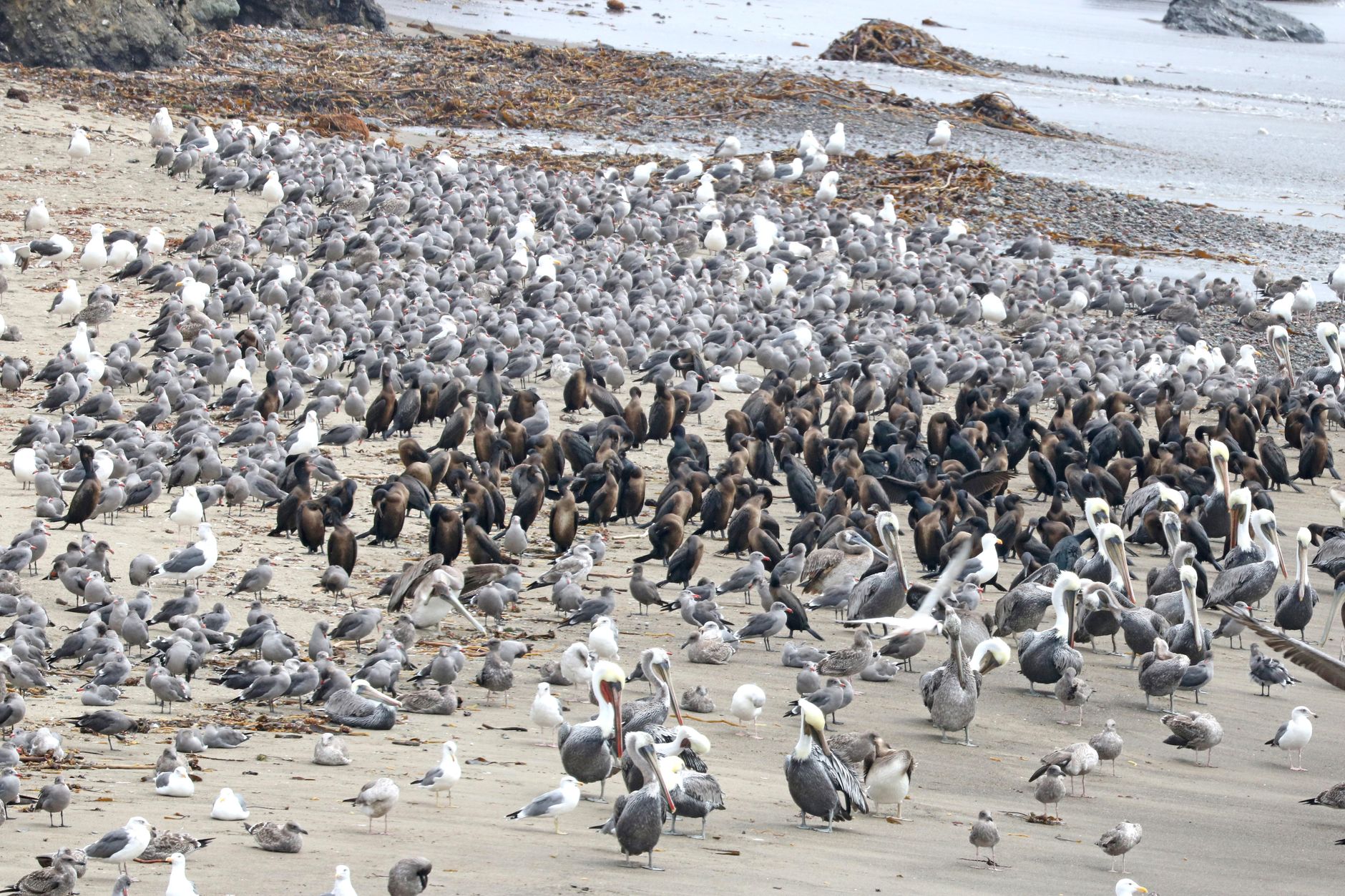
The H5N1 bird flu virus has been confirmed in Australia for the first time, a development that means the virus has now reached every continent globally. The detection was made in a single brown skua, a type of seabird, near Esperance on the south coast of Western Australia, within Cape Le Grand National Park.
National and State Response
Australia’s Department of Agriculture, Fisheries and Forestry, along with the Department of Primary Industries and Regional Development in Western Australia, are coordinating a response. This effort is part of a nationally planned strategy to mitigate the impact of the disease. Western Australia’s agricultural minister, Jackie Jarvis, stated that the state’s established early detection system allowed for prompt action, including isolating the affected bird and collecting samples for testing. Jarvis emphasized that this incident demonstrates the effectiveness of Australia’s and Western Australia’s preparedness measures, with the surveillance and reporting system functioning as intended.
Strain and Previous Outbreaks
Further testing confirmed that the detected strain is consistent with bird flu found in the remote Australian territories of Heard Island and McDonald Islands. These sub-Antarctic islands, which are wildlife sanctuaries, experienced a severe outbreak last year, leading to the deaths of approximately 13,000 elephant seal pups out of a population of 17,000 within a few months.
Federal Agricultural Secretary Julie Collins acknowledged the inevitability of the virus reaching Australia, stating, “We all knew we couldn’t be bird flu-free forever.”
Current Impact and Monitoring
Importantly, officials noted that there have been no detections of H5N1 in poultry on the mainland, and there is no evidence of mass mortality events among domestic birds. A second suspected case involving another migratory bird is also being investigated near Esperance.
The spread of H5N1 to humans is considered rare. In the U.S., an outbreak has led to significant losses of birds, contributing to increased prices and shortages of products like eggs.

Helene Elliott is the Lead Science & Space Reporter at News Raise. She reports on aerospace missions, astrophysics discoveries, quantum research, and environmental technology.