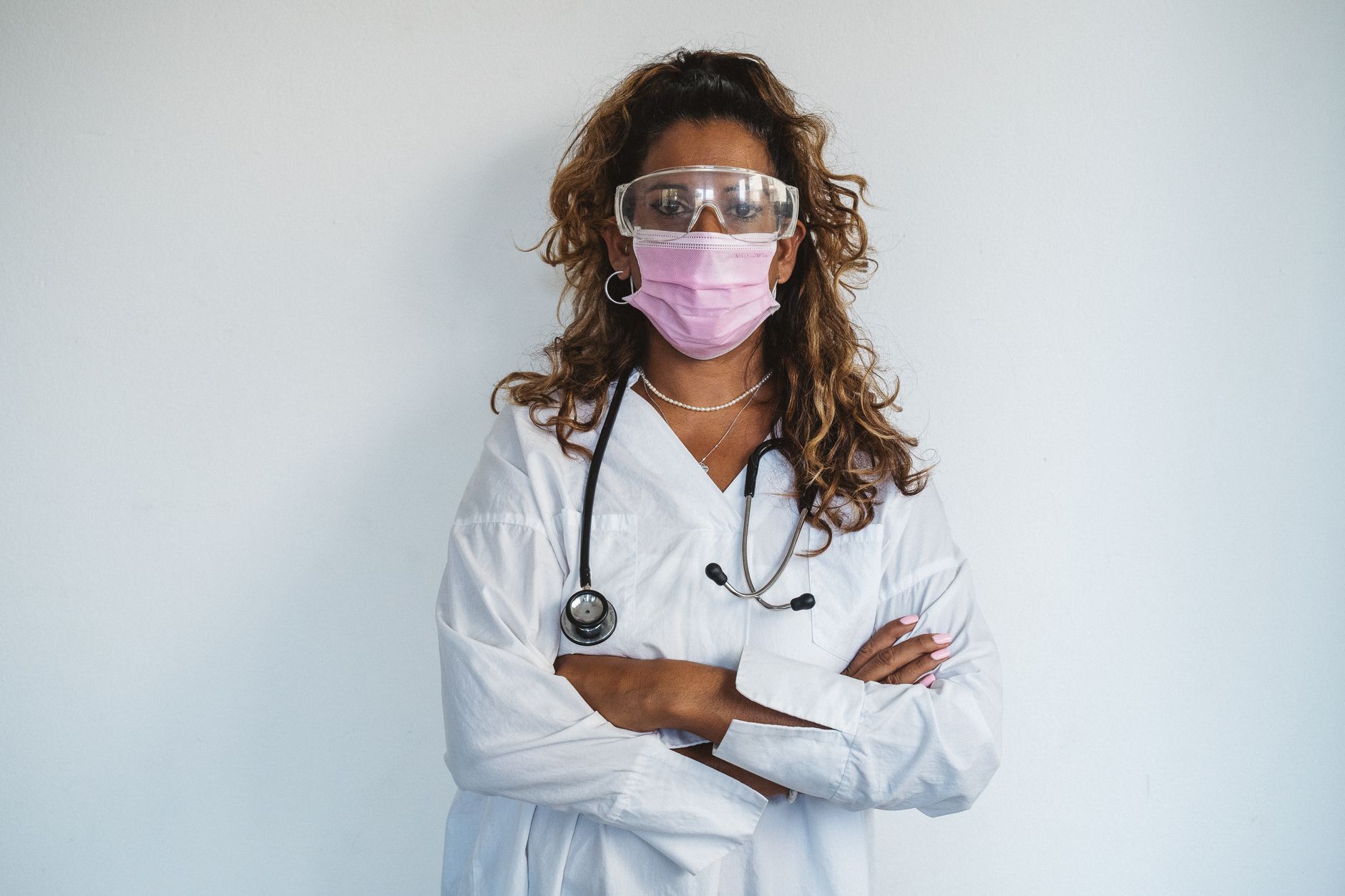
France has confirmed its first case of Ebola within the country, involving a doctor who returned from a humanitarian mission in the Democratic Republic of the Congo (DRC). French health authorities announced the case on Wednesday, stating the healthcare worker had been operating in an area where the virus is circulating.
The patient is currently receiving treatment at a leading healthcare facility, adhering to strict biosafety protocols. Health officials confirmed that all necessary precautionary measures, including patient isolation and secure transfer to the hospital, were implemented upon arrival in France to prevent any risk of contamination.
An epidemiological investigation is underway to identify individuals who may have had contact with the infected doctor. These individuals will be contacted by health authorities and advised to self-isolate for 21 days.
Low Risk Emphasized Amidst Outbreak Concerns
World Health Organization (WHO) Director-General Tedros Adhanom Ghebreyesus advised against panic, noting that fewer than 30 Ebola cases have been detected outside Africa in the past 50 years. He stated that the risk to the rest of the world remains low and urged countries, including France and other European nations, not to overreact.
Tedros also highlighted that the Ebola outbreak, which began in the DRC’s northeastern Ituri province in May, is continuing to outpace response efforts. He cited inadequate contact-tracing, insufficient treatment capacity, and challenges with safe burials as major issues, describing the health system as being under pressure. He called for stricter measures to contain the outbreak of the rare Bundibugyo strain of the virus.
Challenges in DRC Outbreak Response
The head of Africa’s Centres for Disease Control and Prevention (Africa CDC), Jean Kaseya, warned that the current Ebola outbreak in the DRC could become the worst on record. Kaseya noted that efforts to extend treatments are challenging due to security risks and the significant financial resources required for a full-scale response. He pointed out that approximately one million internally displaced people living in camps in the affected region lack access to basic services, making access to these communities a major challenge.
Kaseya added that the outbreak could cost billions of dollars if not addressed quickly and efficiently. Reporting from Bunia in the DRC, Al Jazeera’s Catherine Soi noted that health workers have observed some health improvements despite the ongoing humanitarian and security crisis near the outbreak’s epicentre. Communities are increasingly coming to treatment centers, and death rates have decreased, indicating a growing understanding of the need for help.
However, security concerns persist, with reports of health workers being threatened, beaten, and infected. Since May, the Ebola outbreak in the DRC has resulted in 277 deaths and infected over a thousand people. Cases have also been reported in neighboring Uganda. The WHO declared the outbreak a “public health emergency of international concern” on May 17.
This outbreak is caused by the Bundibugyo strain of the virus, which differs from the Ebola Zaire strain responsible for most previous outbreaks in the DRC. Currently, there are no approved vaccines or treatments for the Bundibugyo strain. UNICEF and Gavi, the Vaccine Alliance, are reportedly seeking information from vaccine developers and manufacturers regarding plans to develop a vaccine against this specific strain.

Helene Elliott is the Lead Science & Space Reporter at News Raise. She reports on aerospace missions, astrophysics discoveries, quantum research, and environmental technology.