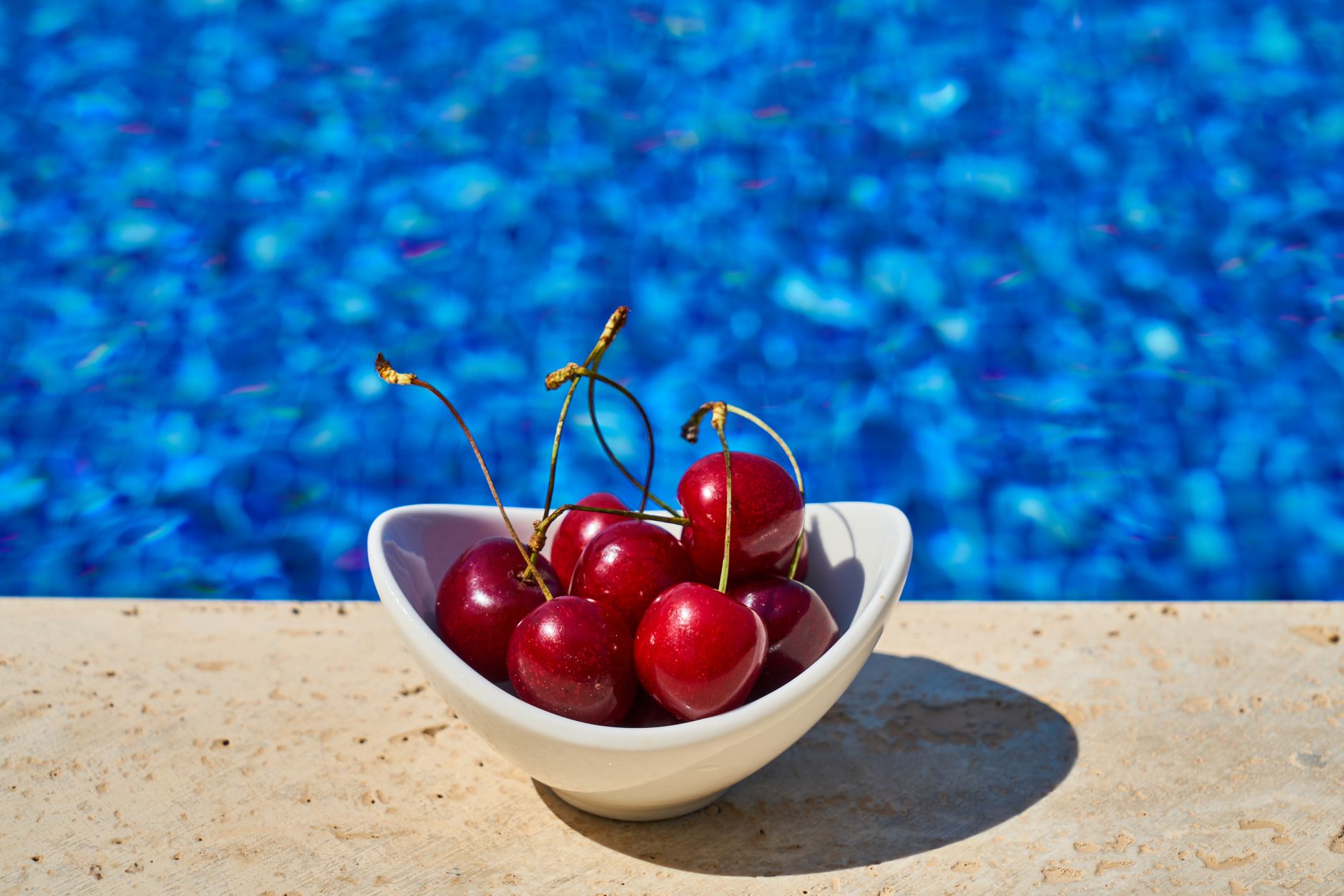
A registered dietitian documented a personal experiment in which she consumed roughly one cup (about 150 g) of in‑season sweet cherries every day for seven consecutive days during peak summer availability. The report notes that the habit required minimal preparation, provided a satisfying snack, and produced only subtle health impressions rather than dramatic shifts.
How the Week Unfolded
The dietitian described the daily routine as straightforward: a rinsed cup of fresh sweet cherries replaced her usual afternoon snack, and on one occasion she used pre‑pitted frozen cherries as a cold alternative. The fruit’s natural sweetness, portable size, and lack of required chopping made it an effortless choice. By midweek she reported cravings for the cold, juicy snack, adding the berries to Greek yogurt and salads, while her fingertips retained a faint red tint throughout the period.
In terms of personal health markers, she observed no sudden improvements in sleep or overall vigor. Instead, she noted a sense of satiety after snacking, an easier management of her sweet tooth, and a general feeling of well‑being. She emphasized that a single week offers a limited window for measurable change, and she could not extrapolate longer‑term effects.
Nutritional Profile of Sweet Cherries
According to USDA data cited in the account, a one‑cup serving of raw sweet cherries supplies 90 calories, 22 grams of carbohydrates, 3 grams of dietary fiber, and roughly 18 grams of naturally occurring sugars. Protein content stands at 1.5 grams, while fat is essentially negligible. Micronutrients include 15.8 mg of calcium, 14.6 mg of vitamin C, and 322 mg of potassium. The fruit is also about 80 % water.
Beyond basic nutrients, sweet cherries contain a suite of polyphenolic compounds—anthocyanins (which give the fruit its deep red hue), flavonols, and hydroxycinnamic acids. These phytochemicals are recognized for antioxidant and anti‑inflammatory properties, which underpin much of the scientific interest in cherries.
Research‑Based Health Insights
Small clinical studies referenced in the narrative have linked daily consumption of sweet cherries to modest reductions in inflammatory markers such as C‑reactive protein. Another investigation reported that a sweet‑cherry beverage lowered systolic blood pressure in adults with obesity, with the greatest effect observed in participants with higher body‑mass indexes.
Sweet cherries also have a relatively low glycemic index, a characteristic attributed to their fiber content. Soluble fiber can slow glucose absorption, supporting steadier blood‑sugar levels. Preliminary laboratory data suggest that anthocyanins may enhance insulin activity, while chlorogenic acid could influence enzymes involved in carbohydrate digestion.
Regarding gut health, the three grams of fiber per cup contribute to stool bulk, regularity, and nourishment of beneficial gut bacteria. Early research hints that cherry polyphenols may interact with the microbiome beyond fiber alone, though these findings remain tentative.
Considerations and Recommendations
The report advises that most individuals can incorporate sweet cherries without concern, but certain groups should exercise caution. People managing diabetes should account for the fruit’s natural sugars and discuss portion size with a healthcare provider. Sorbitol, a sugar alcohol present in cherries, may cause gas or bloating in sensitive individuals when consumed in large amounts. Those with known cherry or stone‑fruit allergies should avoid the fruit entirely.
Overall, the dietitian concludes that a week of daily sweet cherries did not overhaul her health, yet the habit proved easy to maintain and added fiber, potassium, vitamin C, and antioxidant polyphenols to her diet. While research on cherries points to promising effects on inflammation, cardiovascular risk, and metabolic health, the evidence remains early. She recommends enjoying sweet cherries while they are in season—or frozen—as a nutritious, low‑risk snack that can satisfy sweet cravings and support overall dietary quality.

Helene Elliott is the Lead Science & Space Reporter at News Raise. She reports on aerospace missions, astrophysics discoveries, quantum research, and environmental technology.