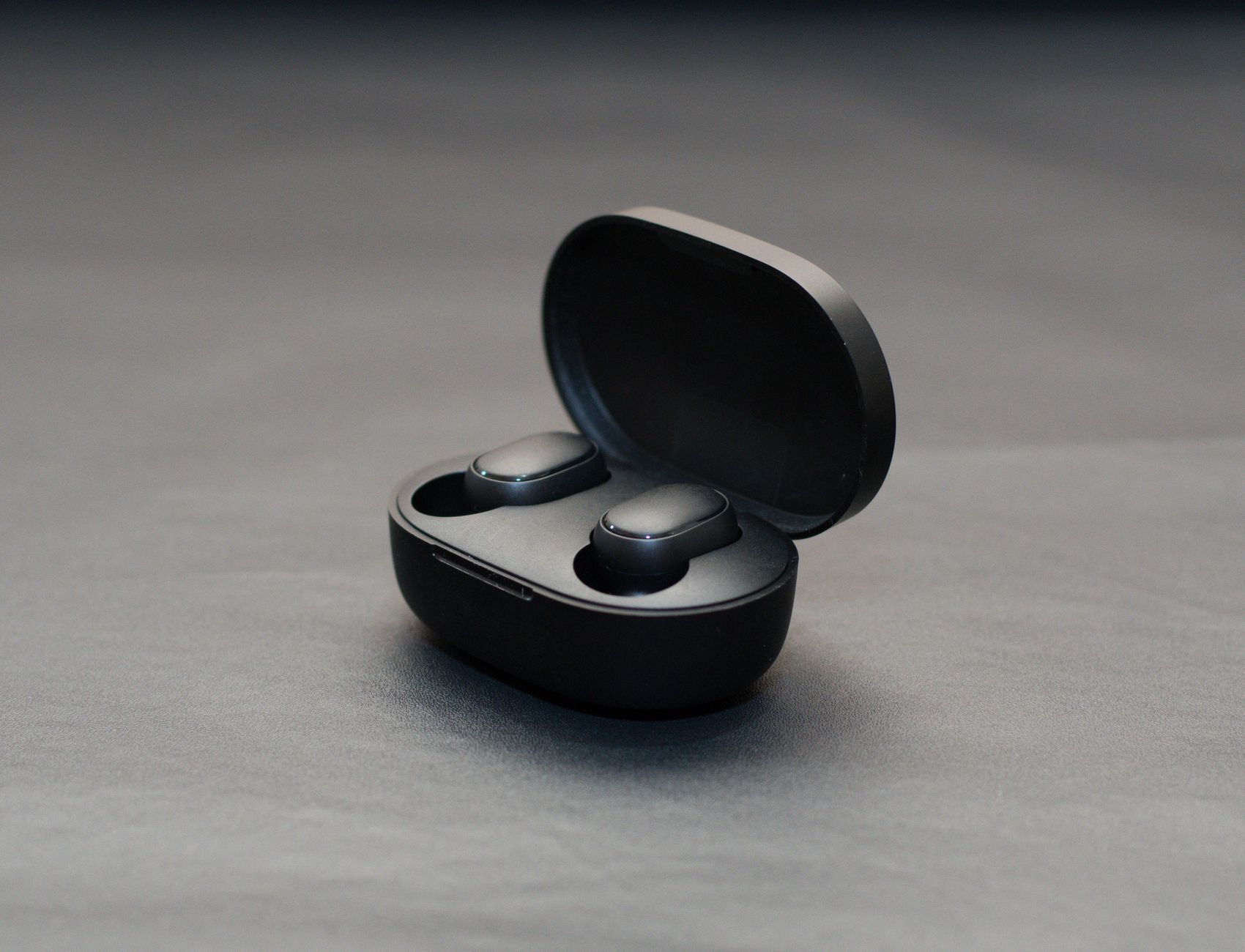
Samsung announced that the U.S. Food and Drug Administration has cleared the Hearing Aid feature built into certain Galaxy Buds models as an over‑the‑counter (OTC) solution. The clearance applies to users aged 18 and older, positioning the earbuds as a low‑profile alternative to traditional hearing‑aid devices for people with mild to moderate hearing loss.
How the feature works
When a user activates the feature, the Samsung Health app conducts a clinical‑grade pure‑tone audiometry test. The test produces an audiogram that details the hearing deficits of each ear. Based on the audiogram, the app classifies the loss as mild, moderate, severe or profound. The Hearing Aid algorithm then tailors amplification to the specific frequencies where the user’s hearing is weakest.
In addition to personalized amplification, the supported Galaxy Buds models retain Samsung’s advanced audio technologies, including noise elimination and beamforming. These capabilities focus sounds from the front of the wearer while suppressing background noise, further improving speech intelligibility in noisy environments.
Device availability and future rollout
At present, the Hearing Aid feature is available on the Galaxy Buds3 Pro and Galaxy Buds4 Pro. Samsung indicated that upcoming Galaxy Buds Pro models are expected to ship with the feature enabled out of the box, extending the functionality to a broader user base.
Context and potential impact
The World Health Organization estimates that roughly 1.5 billion people worldwide experience some degree of hearing loss, a figure projected to rise to 2.5 billion by 2050. High costs, social stigma and limited access to professional audiology services contribute to under‑diagnosis and under‑use of hearing assistance devices. By embedding a clinically validated hearing‑aid solution in consumer earbuds, Samsung aims to address these barriers simultaneously.
Because the earbuds are indistinguishable from standard wireless audio accessories, users can wear them in public without drawing attention—a contrast to many conventional hearing aids that can be visually conspicuous. The quick, app‑driven evaluation also reduces the need for in‑person appointments, potentially lowering overall costs and expanding accessibility.Industry observers note that the FDA’s OTC clearance reflects a broader regulatory shift toward consumer‑driven hearing solutions. Samsung’s entry into this space aligns with its ongoing expansion of health‑tracking features across its device portfolio, reinforcing the company’s strategy to integrate wellness capabilities into everyday technology.
While the feature currently supports only two Galaxy Buds models, its approval may encourage other manufacturers to pursue similar integrations, fostering competition and innovation in the emerging market for discreet, technology‑enabled hearing assistance.

Mitchell Landsberg is a Senior Technology Correspondent at News Raise. He covers consumer electronics, artificial intelligence, software developments, and digital privacy trends.