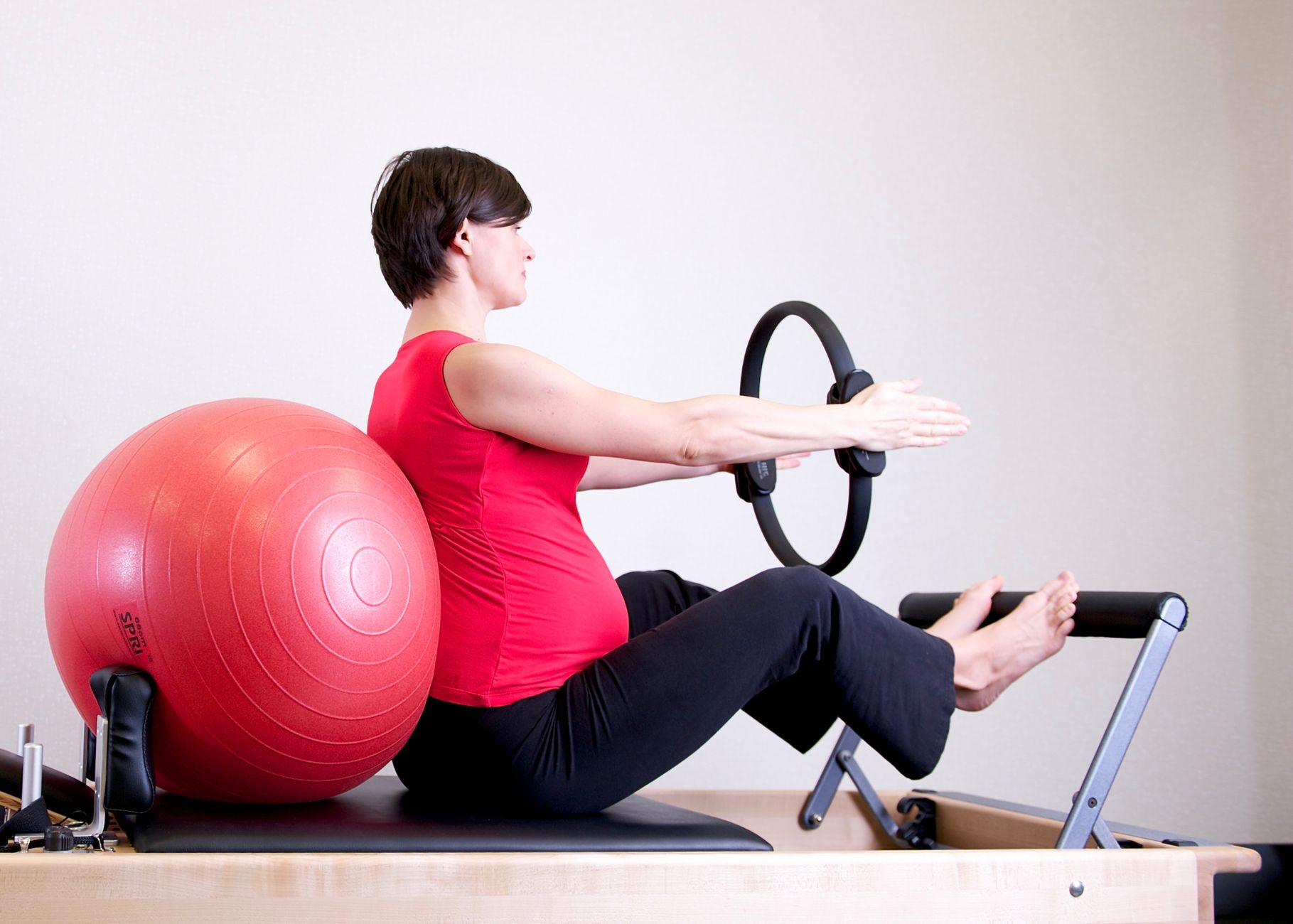
Hemorrhoids, leg cramps, and sciatica are common physical discomforts that can occur during pregnancy. However, by building balance and strength in key areas of the body, women can alleviate and even prevent these common pregnancy aches.
According to physical therapist Krystle Howald, who runs Expecting and Empowered, a platform that focuses on pregnancy and postpartum workouts, many pregnancy-related issues are preventable. Howald shares five movements that can ease pain for women in every trimester.
Movements that Ease Hip Pain
As the body grows and shifts during pregnancy, the internal pressure systems can get thrown off, causing pain or instability. The added weight on the pelvis and the loosening of ligaments as they prepare for birth can lead to an unnatural gait, known as the pregnancy waddle. This can result in pelvic pain or worsen back or sciatica pain.
To avoid the pregnancy waddle, side-to-side exercises that help maintain lateral hip control, such as banded walks, can be beneficial. Additionally, strengthening the muscles that stabilize the hips with side-lying leg lifts, lateral lunges, and glute bridges can also help.
For example, banded walks involve stepping into a resistance band with the band placed above each ankle. The legs should be positioned far enough apart to create tension in the band, and then stepped out to one side with the first leg, stretching the band. This movement should be repeated for 20 repetitions.
Movements that Strengthen the Core
The deep core, or transverse abdominis, is a crucial muscle that wraps around the spine, helping to hold in internal organs and keep the body upright. By working the deep core, women can also support their pelvic floor muscles, which are essential for a successful delivery.
Exercises like bear crawls, side planks, and bird dogs can reduce aches and pains later in pregnancy, such as pelvic girdle pain. In the second trimester, exercises like bird dogs and heel slides may help prevent diastasis recti, which occurs when the abdominal muscles separate due to stretching during pregnancy.
For instance, dumbbell chops involve standing with feet shoulder-width apart, holding a dumbbell with both hands, and raising it high over one shoulder with the arms straight and core tight. The torso should then be rotated, bringing the weight down to the opposite hip. This movement should be repeated for 12 reps on each side.
Movements that Prevent Back Pain
Postural muscles, including the neck, back, core, hip, and leg muscles, work constantly to help keep the body balanced and upright. Strengthening these muscles can protect against back pain and leg cramps that occur as the fetus grows.
Exercises like Romanian deadlifts, lateral lunges, sumo squats, or the hip abduction/adduction machine at the gym can target postural muscles. For example, Romanian deadlifts involve standing with feet hip-width apart, holding a dumbbell in each hand, and slowly hinging forward until a hamstring stretch is felt.
In the third trimester, the focus should be on movements that stretch the pelvic floor, such as happy baby, child’s pose, cat-cow, and diaphragmatic breathing. Giving birth is a significant event for the pelvic floor, and preparing it through exercise can help ensure a successful delivery.

Steve Lopez is a Senior Editorial Columnist and Health & Public Policy reporter for News Raise. Steve focuses on healthcare advancements, medical technologies, and public health policies.