Satellite operators are increasingly stressing to investors and customers that they have secured launch capacity despite a market that is described as constrained. In recent earnings calls, companies such as AST SpaceMobile, HawkEye 360 and Spire Global outlined booked launch slots that stretch several years into the future, while also acknowledging uncertainties around emerging launch vehicles.
AST SpaceMobile’s launch strategy
AST SpaceMobile, which is building a broadband direct‑to‑device constellation, said its deployment timeline was pushed back after a Blue Origin New Glenn rocket exploded on May 28. The company estimated that commercial service would be delayed by three to six months, moving the start date into the first half of 2027. In an earnings call on August 10, executives reported that they have enough launches booked to place the roughly 45 satellites required for the initial constellation.
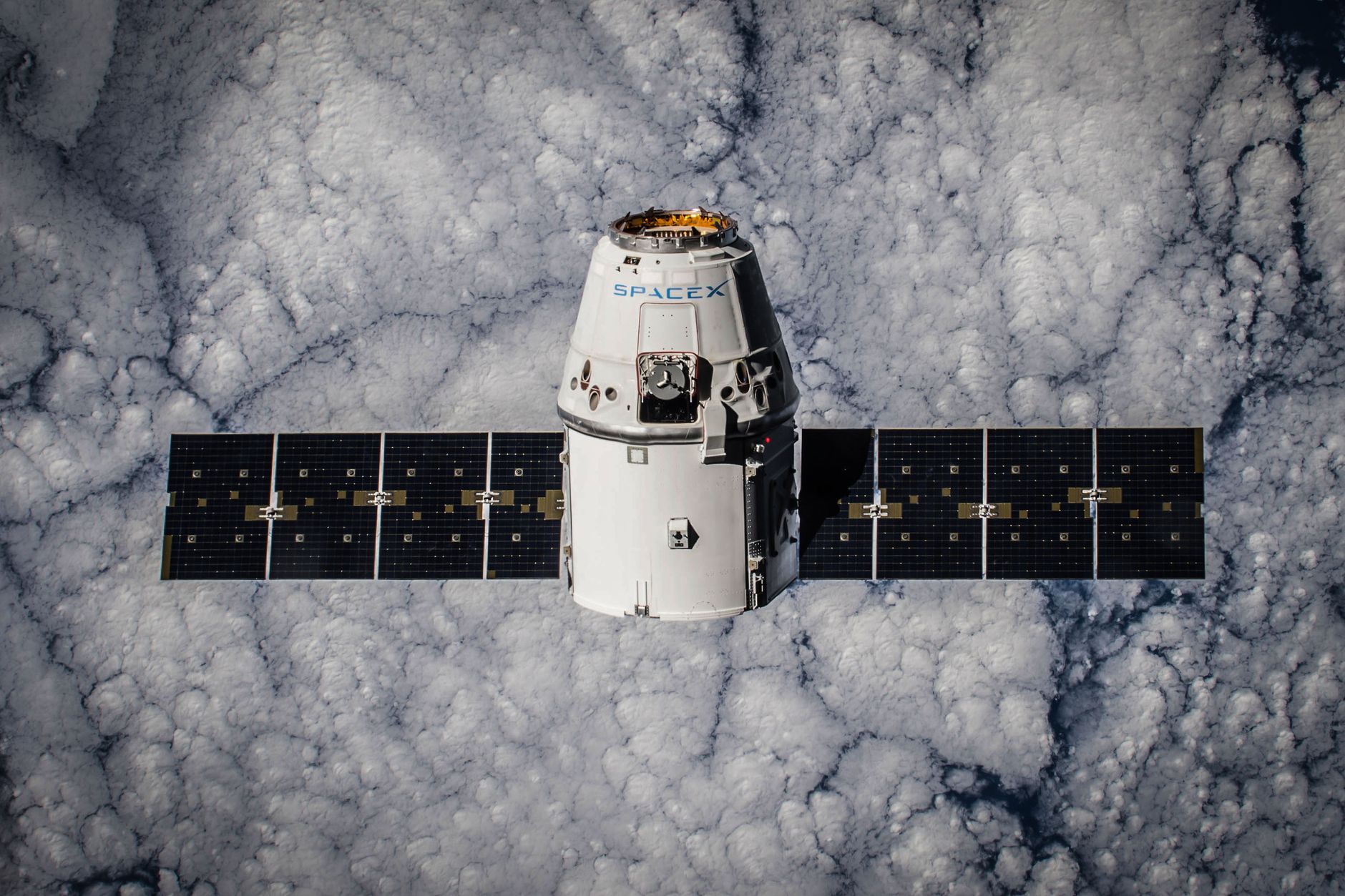
AST currently has 12 satellites in orbit, including five first‑generation BlueBird units and six launched on two Falcon 9 missions on June 17 and August 5. The firm referenced a slide showing a “detailed cadence of our deployment plan,” which lists nine additional launches needed to finish the first constellation. While the slide does not assign specific launch dates, it indicates that the final batch of satellites is slated for completion in February 2027.
President Scott Wisniewski said the company has ten launches reserved with two different providers and is targeting a cadence of roughly one launch every month or two. Because New Glenn remains grounded, the near‑term launches are expected to use Falcon 9, which can carry three BlueBird satellites per flight compared with up to eight on New Glenn. Wisniewski added that the company is not counting on New Glenn flights this year, even though Blue Origin aims to return to flight by the end of the year.
The company also mentioned United Launch Alliance’s Vulcan rocket as a potential alternative, but Vulcan has not flown since a February anomaly involving one of its solid rocket boosters, and ULA has not provided a timeline for resuming launches. CFO Andy Johnson said AST is weighing partnerships or acquisitions to vertically integrate and reduce reliance on third‑party launch providers, though few near‑term acquisition targets exist.
HawkEye 360 and Spire secure rideshare slots
Other operators that rely heavily on SpaceX rideshare services used recent earnings calls to confirm future launch reservations. HawkEye 360’s CEO John Serafini said the company has launches booked through 2028 for its radio‑frequency geolocation satellites, many of which have flown on SpaceX rideshare missions. He noted that while the next two years are covered, there are “open questions” about launch availability beyond 2028, given industry speculation that SpaceX may scale back or eliminate some Falcon 9 Transporter or Bandwagon missions.
To address that uncertainty, HawkEye 360 is evaluating alternatives such as Firefly Aerospace, Stoke Space, Rocket Lab’s Electron vehicle, and launch brokers that arrange rideshare opportunities. Serafini highlighted that a longer horizon gives other platforms time to become viable.
Spire Global echoed a similar outlook. Chief executive Theresa Condor said the company has launch capacity reserved through 2028 for its Lemur cubesats, which provide tracking, weather data and related services. With that capacity secured, Spire believes it can continue adding collection capability on its own schedule, even as the broader launch market remains tight.
Industry concerns over future launch availability
All three companies—AST SpaceMobile, HawkEye 360 and Spire—are signaling to stakeholders that they have taken steps to lock in launch slots, thereby mitigating the risk of a constrained market. Their statements also reflect broader industry anxiety about the future of SpaceX’s rideshare programs and the readiness of new launch vehicles such as New Glenn and Vulcan. By diversifying providers and exploring vertical integration, satellite operators aim to safeguard their deployment timelines against further delays.

Helene Elliott is the Lead Science & Space Reporter at News Raise. She reports on aerospace missions, astrophysics discoveries, quantum research, and environmental technology.