The Democratic Republic of Congo’s Ministry of Health announced on Friday that the nation’s fastest‑spreading Ebola outbreak has entered two new health zones—Biena and Manguredjipa—in North Kivu province. The expansion brings the total number of affected areas to 60, underscoring a rapid escalation that health officials say outpaces current containment measures.
Spread and impact
According to the latest government figures, the outbreak has produced 5,794 confirmed cases and 2,786 deaths nationwide, yielding an overall case‑fatality rate of roughly 48 percent. In the newly affected zones, the fatality rate is reported to be even higher, a trend attributed to delayed response efforts. The surge follows a pattern of unprecedented speed, with the virus moving faster than authorities can track and intervene.
Officials warned that the epidemic is on course to exceed the deadliest Ebola event on record—the 2014‑2016 West African outbreak that claimed more than 11,000 lives. Contributing factors include ongoing armed conflict in the provinces, population displacement, attacks on health workers and facilities, a mobile workforce, and insufficient critical infrastructure.
Response efforts
Doctors Without Borders (MSF) disclosed that it has opened a new treatment centre in Beni, a city in North Kivu that has been one of the hardest‑hit locations. Beni has logged 122 confirmed cases and 87 deaths since the outbreak began in mid‑May, translating to a local fatality rate close to 69 percent, one of the highest in the country.
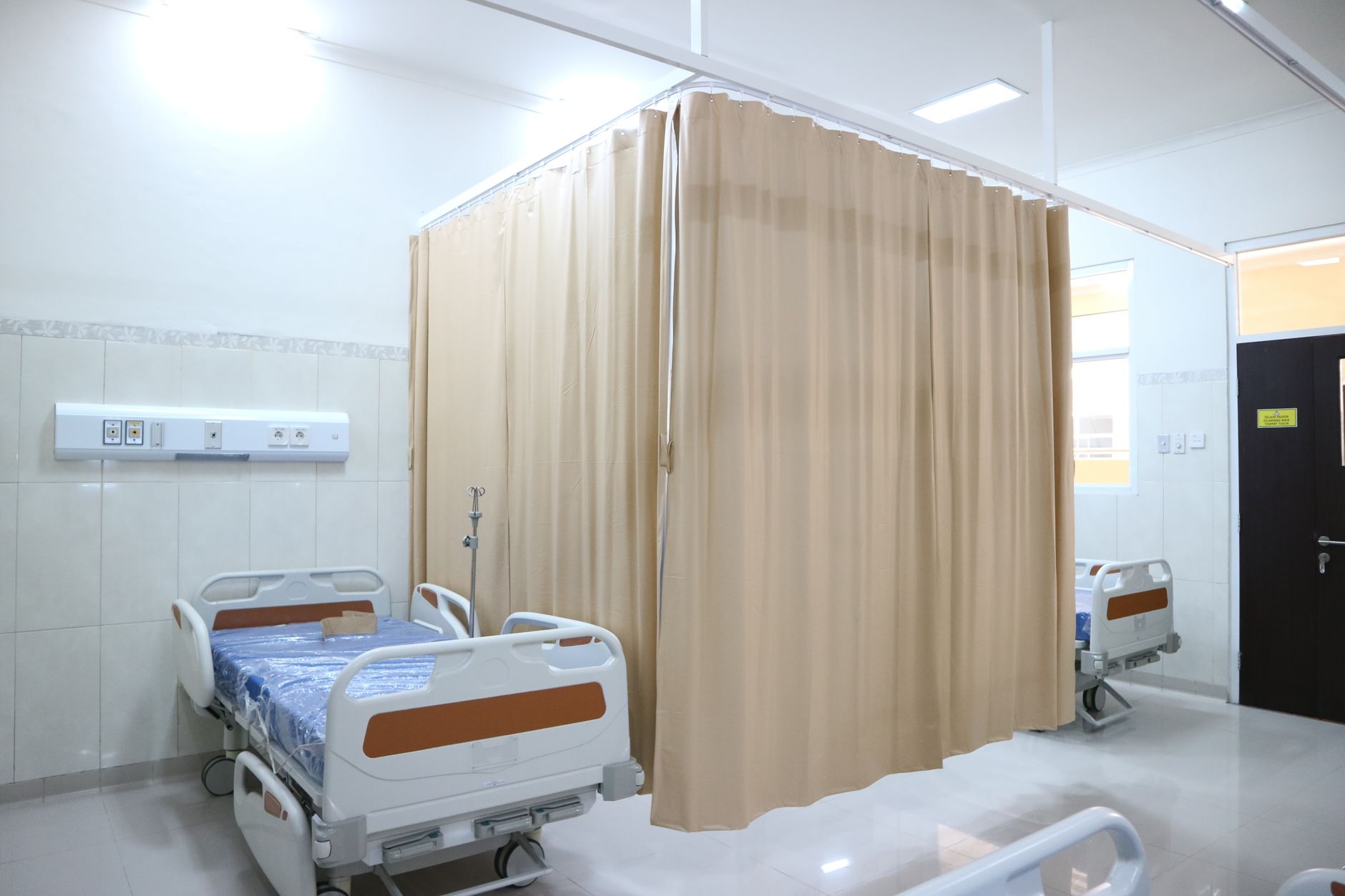
The new centre is intended to alleviate a shortage of bed capacity that has hampered the response. MSF said the facility will enable rapid treatment of patients, strengthen contact‑tracing activities, and support health authorities in containing the virus. Across the DRC, MSF currently deploys 1,400 staff and operates treatment sites with a combined 400 beds.
Because the strain involved—Bundibugyo—is rarer than the variants that have driven most past outbreaks, there is no approved vaccine or specific treatment for it. Relief teams therefore rely on traditional public‑health measures such as early diagnosis, isolation of cases, and rigorous tracing of contacts. “Early diagnosis and treatment as soon as the first symptoms appear significantly increase people’s chances of survival, whilst reducing the risk of transmission within families and communities,” said Albert Stern, MSF’s emergency coordinator.
International concern
U.N. Secretary‑General Antonio Guterres used his X (formerly Twitter) account on Thursday to highlight the urgency of the situation, describing the epidemic as “the fastest‑spreading Ebola outbreak ever recorded.” He warned that the virus is expanding more quickly than the response can contain it and called on the global community to step up assistance.
As the outbreak continues to spread across an expanding geographic footprint, health officials and humanitarian groups emphasize that containment remains possible if resources are mobilized swiftly. The addition of Biena and Manguredjipa to the list of affected zones marks a critical juncture for the DRC’s public‑health response and for international partners monitoring the crisis.

Helene Elliott is the senior reporter for News Raise. She covers Science news. She also has a keen interest in photojournalism. Helene holds a nomination for the prestigious Red Smith Award. She is married to author Dennis D’Agostino, a former publicist with the New York Mets.