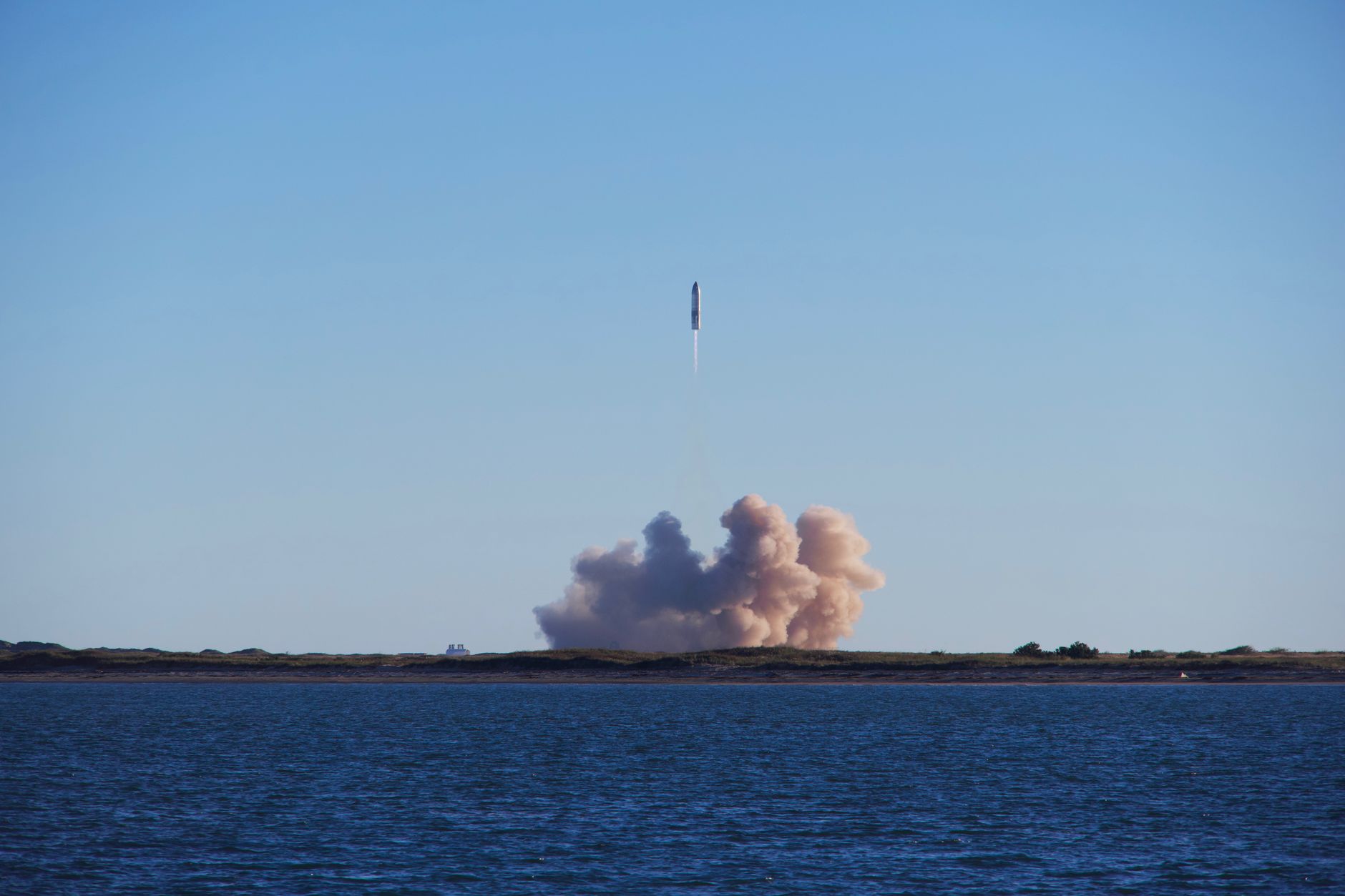
NASA’s Nancy Grace Roman Space Telescope, the agency’s next‑generation observatory, is scheduled to launch aboard a SpaceX Falcon Heavy rocket from Launch Complex‑39A at Kennedy Space Center, Florida. The liftoff is planned for no earlier than 7:26 a.m. EDT (1126 GMT) on Sunday, Aug. 30, pending final weather and readiness checks.
Mission objectives and destination
The Roman Telescope will pursue three core scientific goals: probing the nature of dark energy, searching for exoplanets, and investigating the physics of distant stars. After launch, the spacecraft will travel roughly 30 days to reach the Sun‑Earth Lagrange Point 2 (L2), a gravitationally stable point about 930,000 miles (1.5 million km) from Earth on the side opposite the Sun. Once at L2, the telescope will undergo a three‑month checkout before commencing its observation campaign.
Launch preparation milestones
In the weeks leading up to the launch, Roman has undergone a series of critical integration steps. On July 25, technicians loaded the observatory with 290 gallons (1,100 liters) of hydrazine fuel. Early August saw the attachment of the telescope to its payload adapter, followed by a full launch‑day dress rehearsal on Aug. 20. The mission’s Flight Readiness Review was completed on Aug. 21, clearing the observatory for final preparations.
On Aug. 24, SpaceX announced that the bus‑sized telescope had been sealed inside the Falcon Heavy payload fairing. The next day, the telescope was transported from Kennedy’s Payload Hazardous Servicing Facility to SpaceX’s hangar at LC‑39A, traveling overnight in a convoy of support vehicles. The fairing‑encapsulated observatory will be mated to the Falcon Heavy’s core stage and undergo final fit checks before rolling out to the launch pad.
A Launch Readiness Review panel, involving both NASA and SpaceX personnel, convened on Aug. 28. The panel affirmed that the mission is “go for launch,” confirming that all systems are ready for the scheduled lift‑off.
Launch vehicle and weather outlook
The Falcon Heavy is a heavy‑lift launch vehicle that combines three modified Falcon 9 boosters into a single first stage. SpaceX posted images of the three boosters assembled in the hangar on Aug. 26, giving the public a view of the rocket that will carry Roman into space.
Forecasts for the early‑morning launch window indicate generally favorable conditions, with only a small chance of showers or thunderstorms around 7 a.m. EDT. Clouds and lightning remain the primary concerns, but the expected deterioration of weather later in the day improves the odds for a successful early launch. Should conditions worsen or the launch be delayed, a backup window is available on Monday, Aug. 31, at 7:22 a.m. EDT (1122 GMT).
Viewers will be able to watch the liftoff live via Space.com, which will stream the event as the Falcon Heavy ignites and propels the Roman Telescope toward its distant orbital perch.
Once operational, Roman will join NASA’s portfolio of space‑based observatories, delivering data that could reshape our understanding of the universe’s expansion, the prevalence of planets beyond our solar system, and the fundamental forces governing distant stars.

Norman Pearlstine is the Chief Editor of News Raise and focuses on Business news. His responsibility is to oversee the editorial content including business, commodities, personal investments and the stock market.