North Carolina health officials are advising anyone who had contact with baby goats from the mobile petting zoo Farm Adventures to reach out to their local health department. The advisory follows laboratory confirmation that four goats tested positive for rabies during a series of events held between July 28 and August 27.
Exposure details and public‑health response
Farm Adventures, based in Harmony, North Carolina, operates a traveling petting zoo that visits off‑site locations across multiple counties. During the stated period, the company held events that attracted children and senior citizens in several jurisdictions. The North Carolina Department of Health and Human Services (NCDHHS) says individuals who touched the baby goats—identified as Molly, Maggie, Cow and Uno—at either the Harmony site or any off‑site event should contact their local health department to determine whether post‑exposure prophylaxis is needed.
Event organizers are being notified, and the investigation remains active. NCDHHS indicated that additional exposure locations will be disclosed as the inquiry progresses.
What happened to the goats
According to a statement posted on Facebook, the four goats were euthanized after testing positive for rabies at the North Carolina State Laboratory of Public Health. The animals were housed in a pen separate from other zoo residents. Farm Adventures explained that a skunk entered the pen while the goats were too young to have received rabies vaccinations. Although the skunk was removed, staff were unaware that the goats had been bitten.
The company noted that the goats showed no signs or symptoms of rabies before they were taken for necropsy. One goat was sent for necropsy after a veterinarian investigated the situation, leading to the laboratory confirmation.
Rabies risk and prevention
Rabies is a viral disease that is almost always fatal once symptoms appear, according to the Centers for Disease Control and Prevention (CDC). Transmission typically occurs through bites or scratches from infected animals, with bats, skunks, raccoons and foxes identified as the most common wildlife carriers in the United States.
Each year, roughly 100,000 Americans receive rabies vaccinations after potential exposure. Human rabies cases are exceedingly rare; North Carolina has not recorded a human case since 2011, per NCDHHS data.
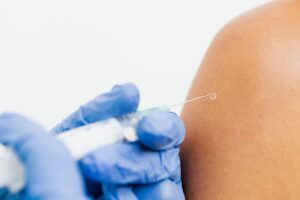
Health officials stress that timely medical care, including post‑exposure vaccination, can prevent the disease from developing. They urge anyone who may have touched or been otherwise exposed to the goats to seek guidance promptly.
Farm Adventures expressed that the recent days have been “incredibly difficult,” and affirmed cooperation with public‑health officials, the North Carolina Department of Agriculture and animal control to protect both animals and clients.

Steve Lopez is the Editorial Page Editor for News Raise. He covers Health. He has won more than a dozen national journalism awards for his reporting and column writing at seven newspapers and four news magazines.