Volkswagen’s supervisory board gave the green light to a plan that will cut roughly 50,000 jobs, marking the most extensive restructuring in the group’s almost ninety‑year history. The move affects the German carmaker’s worldwide workforce and comes as the company evaluates the future of four of its domestic production sites.
Scope of the workforce adjustment
The board described the reduction as a “fundamental adjustment of the global workforce capability” needed to safeguard competitiveness amid shifting demand and rapid technological change. The announced workforce adjustment of about 50,000 positions includes management roles, reducing the total headcount from more than 660,000 employees worldwide as of 2025.
In parallel with the job cuts, Volkswagen outlined a product‑line overhaul. By 2035 the company intends to halve the number of models it produces and cut the complexity of its offering by 75 percent. The strategy calls for prioritising the “most compelling vehicles” and increasing production volumes of each selected model, a step aimed at lowering unit costs.
Plant reviews and market pressures
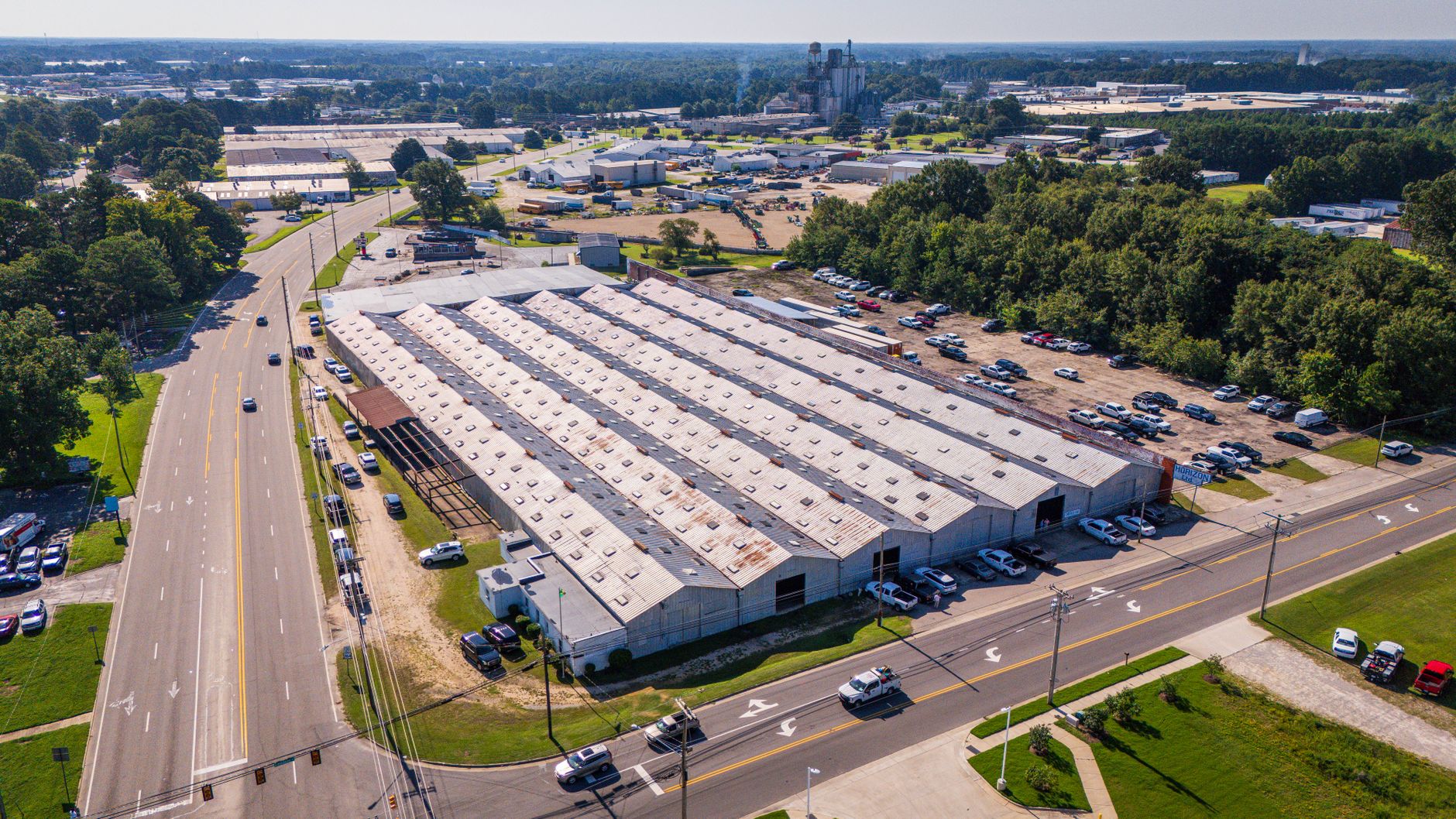
Four German plants – Emden, Zwickau, Hanover and Neckarsulm – are under review because current production capacity exceeds market demand. Volkswagen said alternative uses for these facilities are being assessed, though no final decisions have been disclosed.
Following the announcement, Volkswagen shares rose by roughly 7 % on the Frankfurt exchange on Friday morning, reflecting investor reaction to the decisive restructuring signal.
Leadership comments and industry context
Chief Executive Oliver Blume framed the plan as a “strong signal” for the company’s future, adding that Volkswagen is “taking responsibility for our entire workforce.” Christianne Benner, president of the IG Metall union and deputy chair of Volkswagen’s supervisory board, praised the effort, saying the carmaker had “fought hard for good solutions” to address what she described as a crisis situation.
Volkswagen’s profit decline has been driven by falling sales in key markets, notably China, which was once a cornerstone of its revenue. Sales in the United States have also slipped, partly due to tariffs on car imports introduced during the Trump administration. At the same time, Chinese manufacturers such as BYD have accelerated growth, rolling out new technologies and leveraging lower production costs to increase sales across the United Kingdom, the European Union and Southeast Asia.
The combination of weaker demand, heightened competition from low‑cost Chinese rivals and the need to adapt to electrification and digitalisation has prompted Volkswagen to pursue the largest workforce reduction in its history, aiming to streamline operations and preserve long‑term competitiveness.

Helene Elliott is the Lead Science & Space Reporter at News Raise. She reports on aerospace missions, astrophysics discoveries, quantum research, and environmental technology.