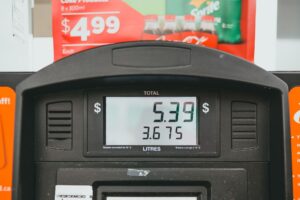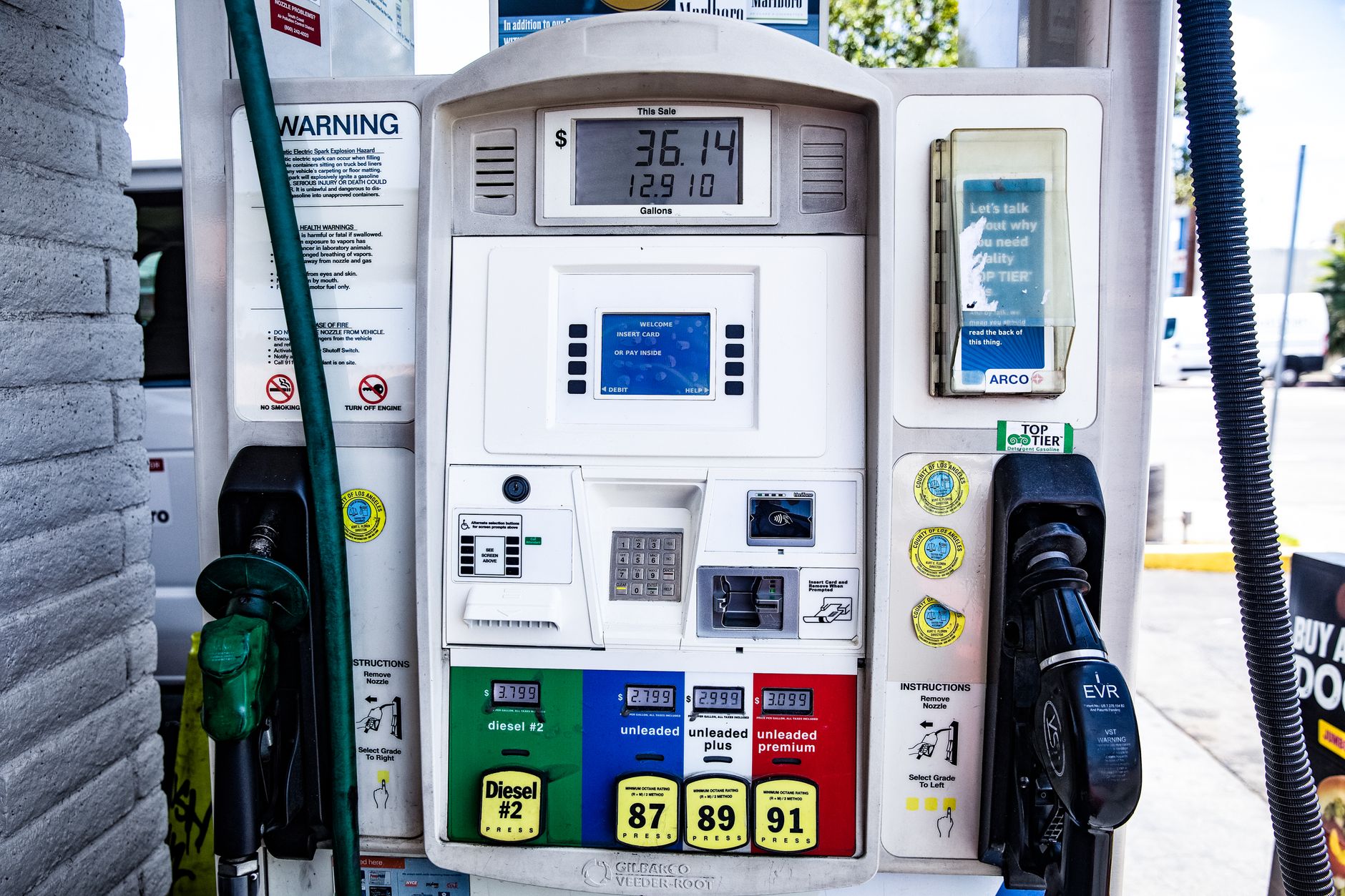
Diesel fuel reached an all‑time high of $6.31 per gallon on Wednesday, a level that analysts say could cascade through the broader U.S. economy. While gasoline prices have largely avoided historic peaks, the surge in diesel is already being felt by trucking firms, railroads and, ultimately, everyday consumers.
Immediate impact on freight and retail
David Russell, global head of market strategy at TradeStation Group, described diesel as “the economy’s single most universal tangible input.” He warned that the first sector to feel the strain is freight hauling, but that the ripple effect will soon reach consumers and businesses if the price remains elevated.
At a Morgan Stanley conference, the chief commercial officer of Norfolk Southern railroad noted that diesel prices in California have already climbed to $8 per gallon. Trucking operators, especially independent owner‑operators, are confronting sharply higher fuel costs with limited ability to shift expenses. Russell added that smaller carriers could be pushed out of the market, tightening capacity and pushing shipping rates even higher.
Jeff Lenard, vice president of media and strategic communications for the National Association of Convenience Stores, explained that the cost of moving gasoline to retail stations is now a major driver of pump prices. “Higher transit costs add several additional cents to the cost of selling fuel, as do swipe fees that increase with price,” he said. Retailers are currently absorbing most of the added expense, which has squeezed gross margins by roughly 15 cents per gallon.
Beyond fuel, the higher diesel cost is filtering into the price of convenience‑store items such as chips, soda and doughnuts, which rely on diesel‑powered trucks for delivery. Costco has responded by limiting the quantity of motor oil that members can purchase, reflecting broader concerns about refined‑product availability.
Broader economic consequences
Carmit Glik, CEO of Ship4wd, emphasized that diesel “moves through freight rates, farm equipment, food delivery, and home heating, anything that touches a truck at some point.” She noted that the price impact on consumers typically appears a few weeks after a spike, as surcharges work through the supply chain, unlike gasoline, which is felt at the pump immediately.
Higher diesel costs are also expected to raise holiday air‑fare, as jet fuel is chemically similar to diesel. Russell cited the latest Producer Price Index report, which showed pressure across a wide range of items from packaging to circuit boards, underscoring the breadth of the impact.
In the Northeast, home‑heating oil—derived from the same crude stream as diesel—could rise 31 percent this winter, according to Mark Wolfe, executive director of the National Energy Assistance Directors Association. Wolfe warned that families could be hit three ways: higher heating oil, higher gasoline, and higher delivery costs for everyday goods.
Why diesel is soaring and what lies ahead
Supply‑side constraints are at the heart of the surge. Jack Buffington, an associate professor of supply chain management at the University of Denver, said that while crude oil prices have been relatively restrained, a shortage of global refining capacity is driving diesel up. He explained that nearly 100 % of undamaged refining capacity is already in use, with roughly 20 % of worldwide capacity offline due to shutdowns in Russia, the Middle East and the Persian Gulf.
Steve Blough, chief supply‑chain strategist at Infios, pointed to a “perfect storm” of reduced Gulf‑state refining, the Ukraine war’s impact on Russian output, and an attack on a Saudi pipeline. He cautioned that additional disruptions—such as a late‑season hurricane or further geopolitical events—could push prices even higher, though experts hesitate to forecast exact movements.
Saudi Arabia’s recent steps to increase oil supply have nudged crude prices lower, but analysts like Buffington stress that even if hostilities cease, diesel may not return to $4 per gallon for a year or more because of the lingering capacity bottleneck.
Large carriers have some protection through fuel‑surcharge programs, but smaller firms and shippers without such clauses are bearing the brunt. J.B. Hunt’s chief financial officer, Brad Delco, disclosed that the company is experiencing a $10 million headwind from record diesel prices and warned of lower earnings ahead.
Farmers, construction firms, public‑transit agencies and food‑distribution networks are also vulnerable, as diesel powers tractors, combines, heavy‑equipment and delivery trucks. Blough said transportation companies will need to reassess routes, carriers, modes and inventory strategies, noting that “simply absorbing the higher cost is not a winning business strategy.”
While a strong El Niño could bring milder winter temperatures to the Northeast—potentially easing heating‑oil demand—experts agree that the current diesel price spike is likely to linger, with wide‑reaching implications for U.S. consumers and businesses.

Norman Pearlstine is the Executive Editor and Co-Founder at News Raise. With over two decades of experience across financial journalism, corporate governance, and market analysis, Norman leads the editorial direction and ensures strict adherence to journalistic accuracy and ethics.