Investment bank JP Morgan disclosed to investors that it is unable to predict how the ongoing U.S.–Iran conflict will affect oil prices, stating in a rare note that “we simply don’t know how to model the endgame.” The admission highlights the difficulty of gauging President Donald Trump’s next moves and the broader macro‑economic impact of the war.
Assumptions and red‑line thresholds
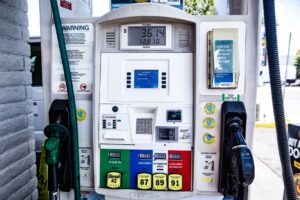
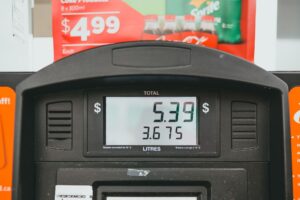
When the conflict began, JP Morgan’s analysts built a model around a set of “economic red lines” they believed the Trump administration would avoid crossing. Those thresholds included oil prices exceeding $100 a barrel, consumer inflation reaching 4%, gasoline prices climbing above $5 a gallon, and the yield on 10‑year U.S. Treasury bonds hitting 5%. The bank expected that, once those limits were approached, a diplomatic deal would reopen the Strait of Hormuz, a key shipping lane, by June.
Current market realities and uncertainty
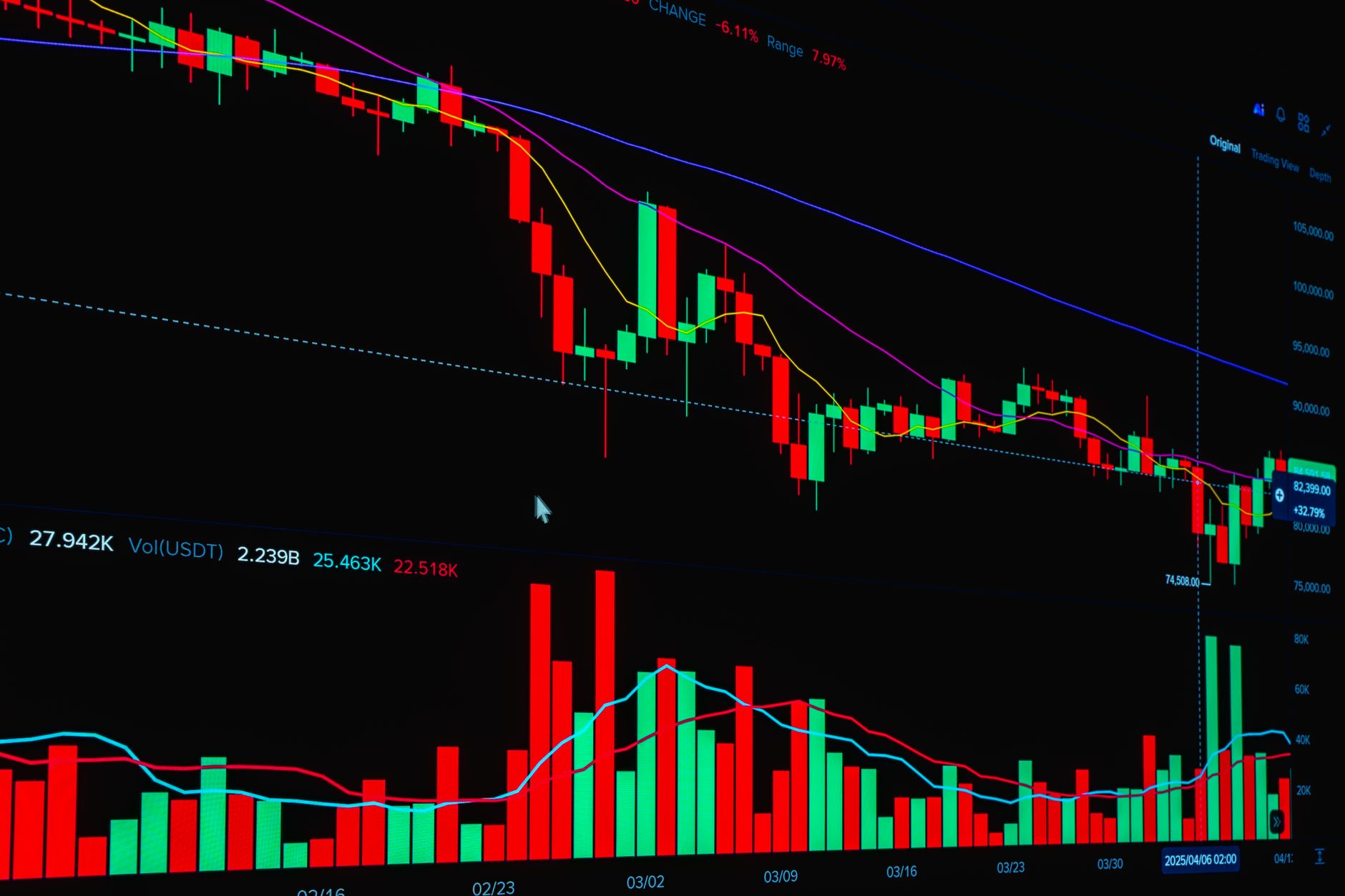
Recent market data shows that several of the assumed red lines have already been breached. Oil prices have risen back above $100 a barrel, and the yield on 10‑year Treasury securities has ticked over the 5% mark. However, gasoline remains below $5 a gallon and inflation has not yet reached the 4% level. JP Morgan’s commodities research team noted that six months after the war began, many of the original thresholds have been crossed, yet a clear exit strategy remains elusive. The note said, “For the first time since the start of the Iran conflict, we don’t have a baseline view. We simply don’t know how to model the endgame.”
Political and macro backdrop
President Trump recently suggested the war would likely continue until after the November midterm elections, adding that oil prices would tumble “right after the election.” The Federal Reserve, meanwhile, raised interest rates for the first time in more than three years, signaling further hikes could occur through 2027 to curb persistent inflation. Fed Chair Kevin Warsh attributed the move to inflation being “too high and has been for too long,” a stance that Trump publicly disputed.
JP Morgan also flagged additional supply risks beyond the U.S.–Iran standoff. Iran‑backed Houthi forces have seized an area at the mouth of the Bab al‑Mandab Strait, another vital maritime corridor, while the ongoing Russia‑Ukraine war continues to influence global oil dynamics. Analysts in the note warned that, with “no clear signals” of de‑escalation, the assumption that disruptions to global oil supply are temporary is becoming increasingly difficult to sustain.
Overall, the bank’s admission underscores the heightened uncertainty facing investors who rely on oil price forecasts for inflation expectations and broader economic planning. As the conflict persists and multiple geopolitical factors converge, JP Morgan’s analysts say the market is pricing in the risk of further oil‑supply shocks, even as they lack a definitive outlook.

Norman Pearlstine is the Executive Editor and Co-Founder at News Raise. With over two decades of experience across financial journalism, corporate governance, and market analysis, Norman leads the editorial direction and ensures strict adherence to journalistic accuracy and ethics.