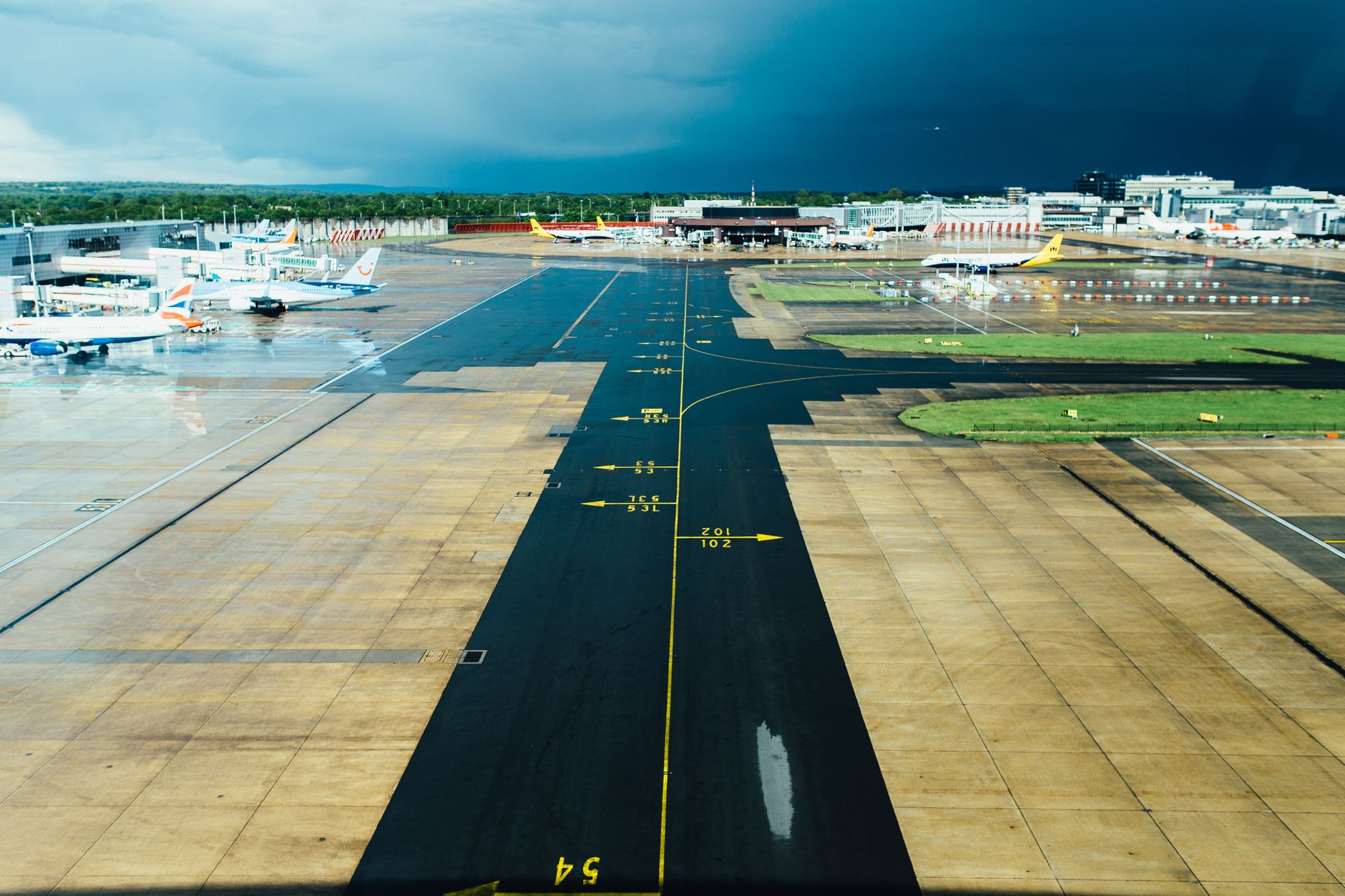
Hundreds of scheduled departures were delayed on Monday after construction personnel unintentionally cut a telecommunications cable that supports the Terminal Radar Approach Control (TRACON) system. The outage forced the Federal Aviation Administration (FAA) to issue ground stops at several major airports across New York, New Jersey, Pennsylvania and Massachusetts.
Cause and immediate impact
According to statements from New Jersey public‑transportation agency NJ Transit, the workers on a construction site mistakenly severed the cable while digging, and the markers that should have indicated the cable’s location were placed incorrectly. Initial reports from the Transportation Secretary, Sean Duffy, attributed the damage to Amtrak crews performing the work, describing the incident as a “telecom outage” that compelled the FAA to halt flights.
Amtrak later clarified that the incident involved a contractor hired by NJ Transit, while Verizon – the owner of the cable – said it bore no responsibility for the cut. FAA head Bryan Bedford added that the damaged line was a backup network, discovered only after the primary circuit failed.
Airports affected and flight disruptions
Flight‑tracking data from FlightAware showed Newark Liberty International Airport suffered the greatest disruption, with 267 outbound flights and 257 inbound flights delayed. New York’s John F. Kennedy International Airport and LaGuardia Airport also experienced delays, as did Philadelphia International Airport.
One passenger, Douglas Tewnion, recounted his experience on a flight from Edinburgh to New York that was diverted to Boston. He told the BBC that, two hours after the scheduled arrival time, he and other travelers were still on the tarmac in Boston without clear information, though morale remained high.
The timing of the outage coincided with preparations for the United Nations General Assembly in New York City, an event expected to bring a large number of world leaders to the region. Despite the broader disruption, UK Prime Minister Andy Burnham managed to board his flight before the ground stop took effect and arrived as scheduled.
Official response and restoration
Later in the afternoon, Secretary Duffy announced that the severed cable had been repaired and that normal operations were expected to resume, though lingering delays would persist for some time. He emphasized that the FAA would continue to monitor the situation and work to clear the backlog of flights.
The incident underscores the vulnerability of air‑traffic infrastructure to seemingly routine construction activities, especially when backup systems are involved. It also highlights the coordination challenges among multiple agencies—NJ Transit, Amtrak, Verizon and the FAA—when a critical telecom link is compromised.
Additional reporting on the incident was provided by Ione Wells.

Mitchell Landsberg is a Senior Technology Correspondent at News Raise. He covers consumer electronics, artificial intelligence, software developments, and digital privacy trends.