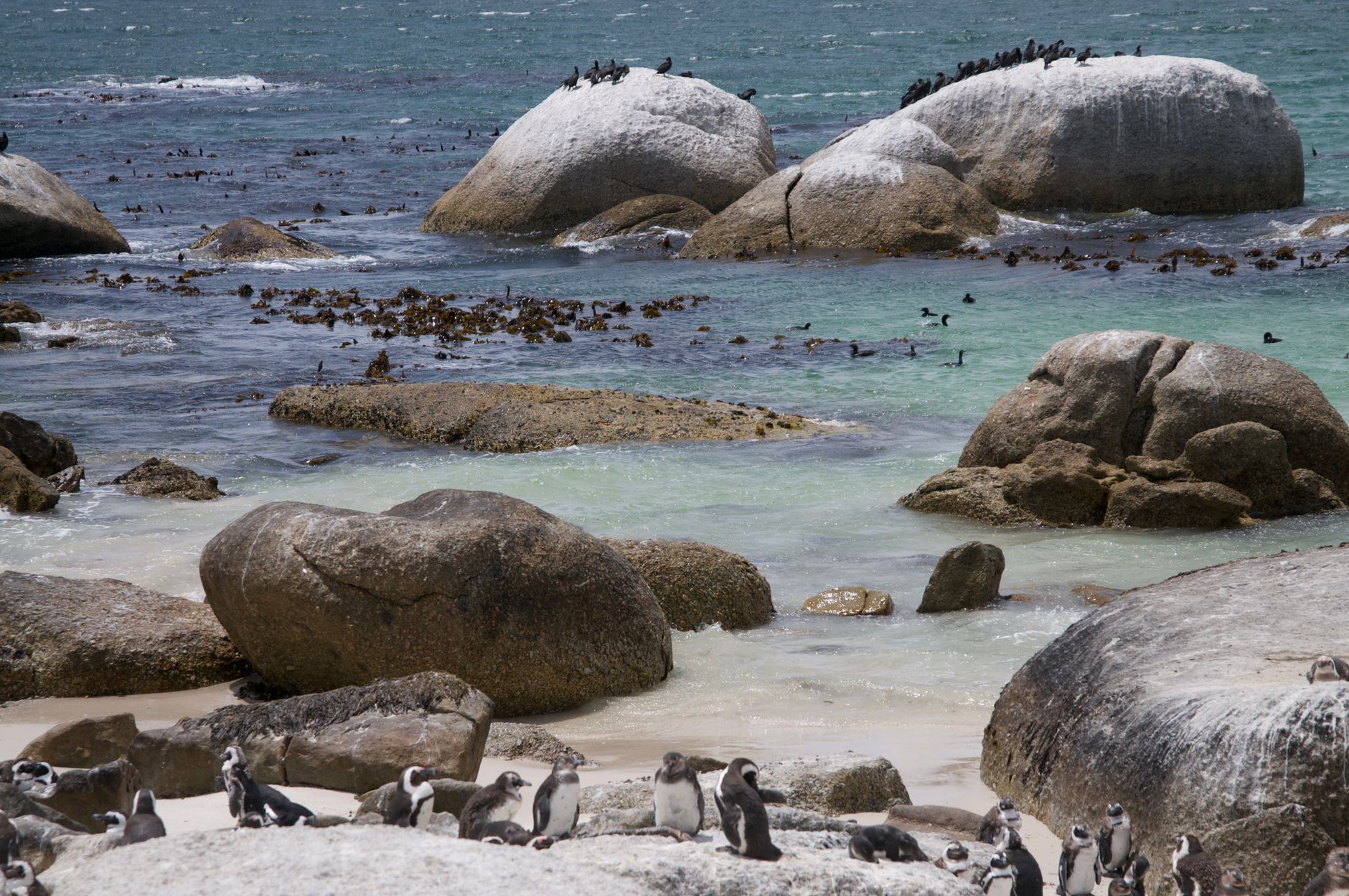
Scientists have announced the discovery of a new gentoo penguin species on the isolated Kerguelen Islands, the first penguin species to be named in over 100 years. The population, now classified as Pygoscelis kerguelensis, was identified through extensive genomic analysis by an international team led by researchers in Chile and the University of California, Berkeley. Findings were published on September 21, 2026, in the journal Communications Biology.
Genetic analysis reveals four distinct gentoo species
For decades, gentoo penguins were treated as a single, widely distributed species. The new study examined whole‑genome sequences from 64 individuals collected at 10 breeding colonies, covering nearly the entire geographic range of gentoos. The data showed that what was once considered one species actually comprises four genetically distinct lineages. Three of these lineages, previously regarded as subspecies, have now been elevated to full species status, while the Kerguelen population represents a cryptic species that looks similar to its relatives but differs markedly at the DNA level.
The four lineages are:
- Pygoscelis kerguelensis – the newly described southeastern gentoo from the Kerguelen (and likely nearby Heard) Islands.
- Pygoscelis taeniata – the eastern gentoo found on the Crozet, Marion and Macquarie Islands.
- Pygoscelis papua – the northern gentoo restricted to the Falkland/Malvinas and Martillo Islands.
- Pygoscelis ellsworthi – the southern gentoo, the only lineage that inhabits Antarctica proper.
Researchers estimate that the four species diverged between 300,000 and 500,000 years ago, a process driven by geographic isolation and the Antarctic Polar Front, a sharp oceanic boundary that limits movement of marine organisms.
Conservation concerns amid warming oceans
While the southern gentoo appears poised to expand its range under future climate scenarios, the newly identified southeastern gentoo and two other lineages could face habitat loss as ocean temperatures rise. Climate models suggest that by 2050, suitable breeding habitat for several island‑bound populations may shrink dramatically.
“In Antarctica, of course, other species, not the gentoo, are threatened by climate change,” said Juliana Vianna, senior author of the paper and professor at Andrés Bello National University in Santiago, Chile. “But the gentoo is of most concern in the sub‑Antarctic region. It’s very important that conservation institutions in all the different countries involved recognize and take appropriate action to save these three gentoo penguin species,” she added.
Rauri Bowie, co‑senior author and professor of integrative biology at UC Berkeley, noted that the gentoo’s flexible diet – ranging from fish and krill to squid and cuttlefish – has helped the group thrive while other penguins with narrower prey preferences are declining. However, that same dietary breadth may have facilitated the long‑term isolation and eventual speciation of the four lineages.
The study also highlighted genetic adaptations unique to each lineage. The Antarctic‑dwelling southern gentoo carries genes linked to heat production, fat storage and light perception, likely supporting survival in extreme polar conditions. The eastern gentoo shows enhancements in carbohydrate metabolism and diving efficiency, while the northern gentoo exhibits changes in digestion and muscular function that aid prolonged underwater foraging.
Given the Kerguelen Islands lie roughly 2,000 miles from any permanently inhabited landmass, the discovery underscores how remoteness can conceal biodiversity. The researchers hope that the formal recognition of Pygoscelis kerguelensis will prompt targeted monitoring and protection measures across the sub‑Antarctic nations that share jurisdiction over these islands.

Norman Pearlstine is the Executive Editor and Co-Founder at News Raise. With over two decades of experience across financial journalism, corporate governance, and market analysis, Norman leads the editorial direction and ensures strict adherence to journalistic accuracy and ethics.