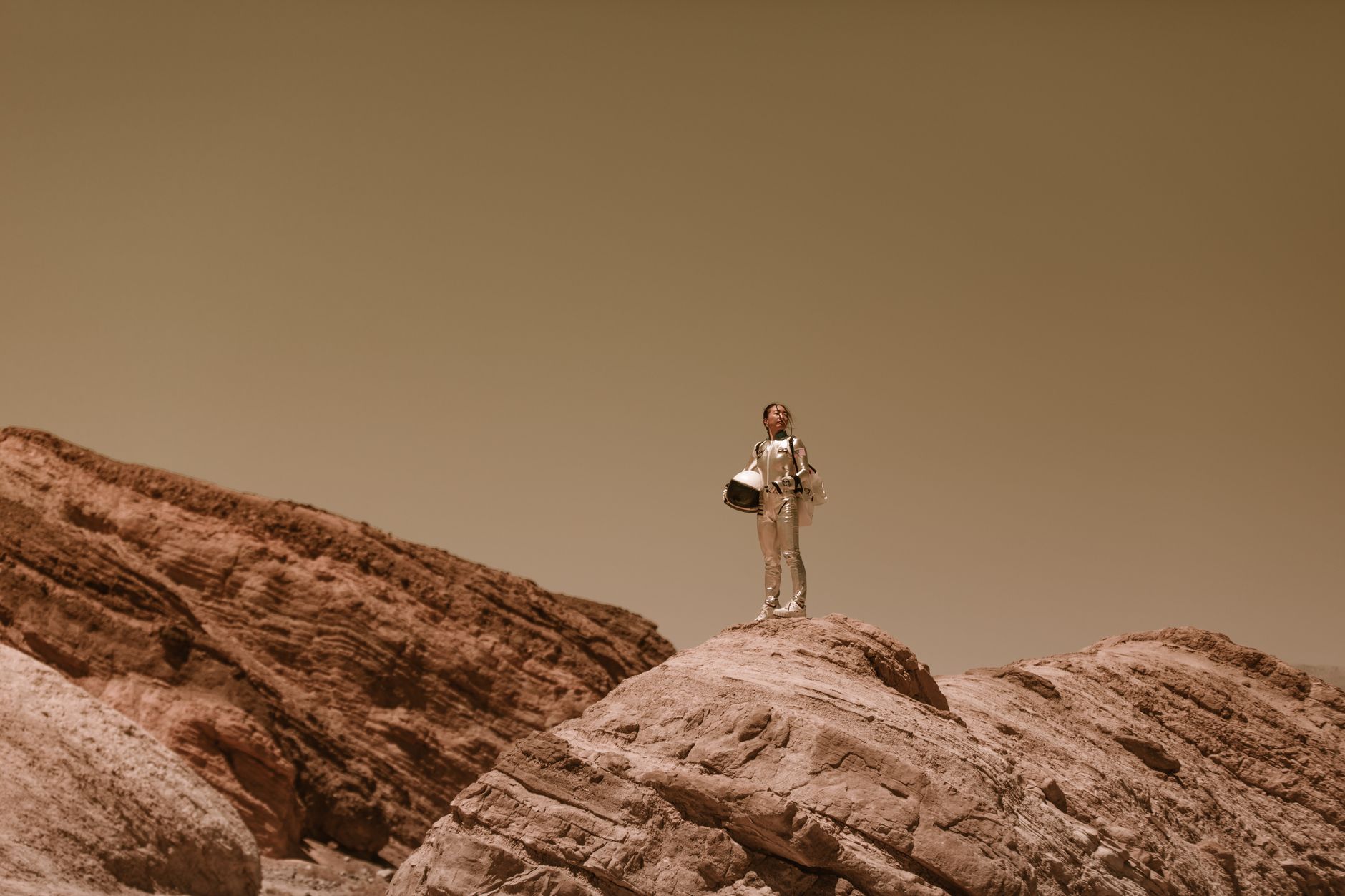
Since landing in 2021, NASA’s Perseverance rover has been traversing Jezero crater, a 28‑mile‑wide basin that once hosted rivers and a lake. Researchers originally expected the rover to encounter sedimentary deposits along the crater’s edge that would confirm a classic lakeshore environment.
Volcanic Origins, Not Lakeshore Sediments
Analysis of the so‑called “margin unit” shows that the examined rocks are igneous, formed from cooling magma rather than lake‑deposited sediments. The rover’s SuperCam instrument, which identifies minerals by the light they reflect, surveyed 185 individual rocks across an elevation span of roughly 870 feet. The findings, led by Purdue University scientist Candice Bedford and published in Communications Earth & Environment, overturn the assumption that the strip originally formed at the bottom of the ancient lake.
Early in the rock’s history, deep‑seated magma cooled and crystallized olivine, a mineral typical of volcanic material. Subsequent erosion exposed these rocks at the surface, allowing carbon‑dioxide‑rich groundwater to infiltrate fractures. This interaction precipitated carbonate veins that later stood out as surrounding rock wore away.
Three Distinct Wet Episodes
Beyond the volcanic foundation, the rover detected evidence of water interacting with the rocks on at least three separate occasions. The first episode involved the carbonate‑forming groundwater that seeped into cracks, creating mineral fillings that persist today.
A later water event appears linked to the lake that once filled Jezero. As olivine transformed into carbonate, silica was left behind; researchers observed higher silica concentrations in rocks that would have sat below the lake’s water line. University of Hawaii planetary scientist Eleni Ravanis noted that this silica signature points to a lake‑related wet phase.
A third wet episode is indicated by mineral veins of calcium sulfate and fluorite detected in a specific segment of the margin unit. These minerals suggest that hot, mineral‑rich water once percolated through the volcanic rocks, resembling a hot‑spring system.
Implications for Habitability and Sample Return
Although the study did not uncover direct evidence of past life, the abundance of carbonates—minerals known on Earth for preserving microbial traces—highlights Jezero crater as one of the largest carbonate exposures on Mars. “What we learn here reaches well beyond this crater,” Bedford said, underscoring the broader relevance to Mars’ aqueous history.
The layered and jumbled rock formations observed by Perseverance also hint at shoreline activity and rapid water flows that could have mobilized mud and debris. Such repeatedly wet conditions increase the probability that microbial life, if it ever arose, could have both emerged and left detectable biosignatures.
Perseverance has already collected samples from the margin unit, material that could be returned to Earth for detailed laboratory analysis. However, the Mars Sample Return mission currently faces a funding gap after Congress terminated future financing in January, leaving the fate of those samples uncertain.
Bedford reflected on the discovery’s surprise factor, noting that a decade of work with Mars rovers has taught her that “Mars constantly throws surprises at you,” and that expectations based on orbital data are often upended by ground truth.
The new geological narrative of Jezero crater—volcanic origins overprinted by multiple, distinct water interactions—offers a more nuanced view of ancient Martian environments and reinforces the importance of in‑situ exploration for unraveling the planet’s habitability record.

Helene Elliott is the Lead Science & Space Reporter at News Raise. She reports on aerospace missions, astrophysics discoveries, quantum research, and environmental technology.