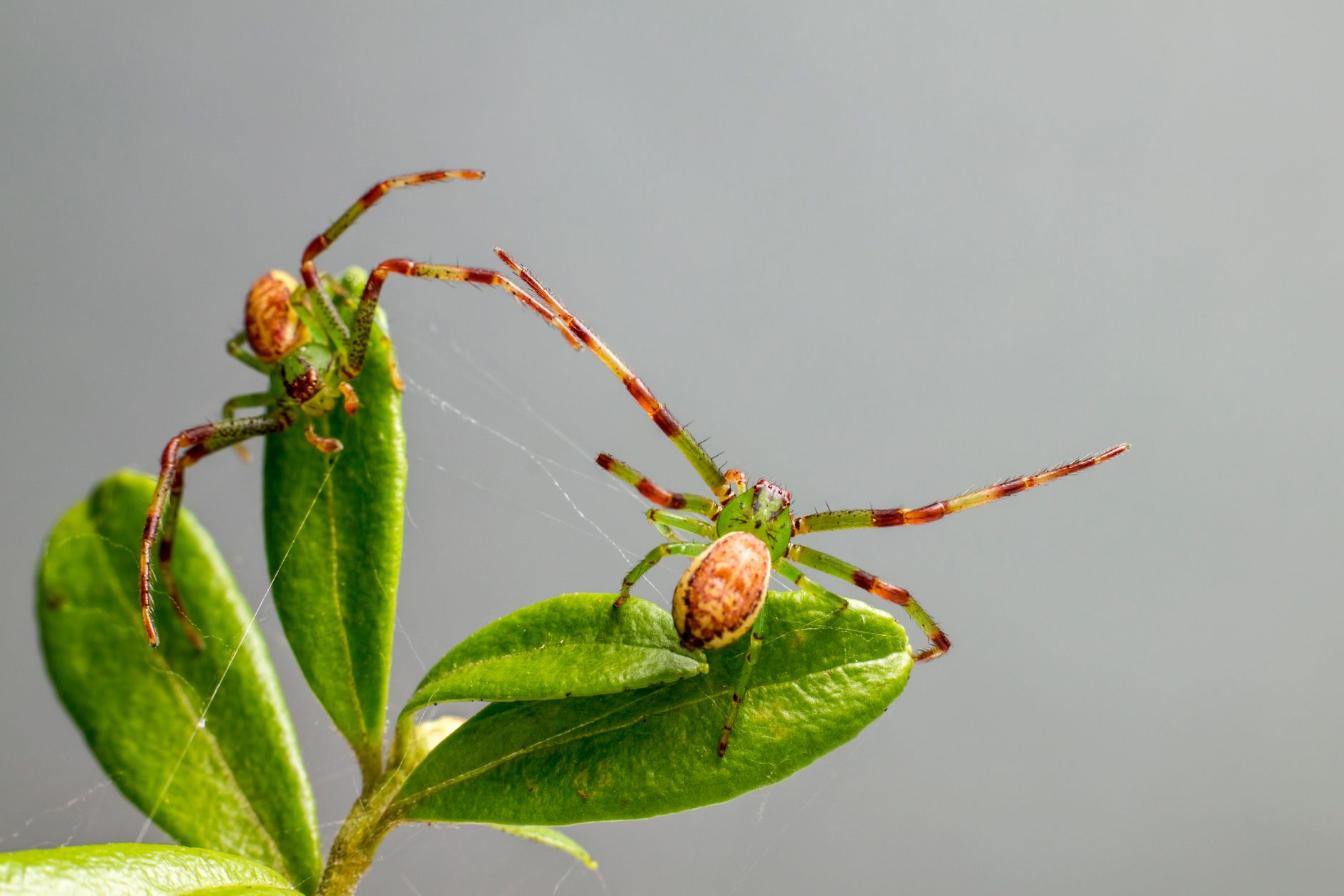
Marine biologists from the University of British Columbia have formally described two previously unknown species of sea spider collected from shallow waters of the Salish Sea. The specimens were gathered between September 2023 and August 2024 off the islands of Vancouver and Quadra in British Columbia, marking the first sea‑spider discoveries in that region in more than a century.
Discovery and Collection
The research team, led by Cormac Toler‑Scott, conducted a series of dives in the Salish Sea, a body of water that straddles the border between Washington State and British Columbia. During those expeditions the scientists retrieved several tiny arthropods, each about a centimetre across. The finds represent the first documented sea‑spider species in the area since the early 1900s, according to the team.
Characteristics of the New Species
One of the newly identified species has been named Callipallene pilosuspedes. It possesses distinctive red eyes, a triangular three‑lipped mouth, and a curved spine that runs along its legs. The animal also bears a pair of ventral appendages called ovigers, which it uses to groom itself and remove algae or debris. Toler‑Scott noted that this grooming ability is not universal among sea spiders, describing the species as “very clean.”
The second species, designated Tanystylum kiixin, takes its name from an ancient Indigenous village located near the collection site. Unlike its counterpart, T. kiixin has shorter, stockier legs that emerge from its chest region and lacks functional ovigers for self‑cleaning. When first observed, the specimen was covered in dirt and debris, highlighting the contrast between the two new taxa.
Ecology, Behavior and Reproduction
Both species belong to the class Pycnogonida, a group of marine arthropods commonly referred to as sea spiders. The class comprises more than 1,300 known species worldwide. Like other pycnogonids, the newly described animals are slow‑moving crawlers that remain on the seafloor and never transition to a terrestrial lifestyle.
In the field, the researchers found the spiders attached to colonies of hydroids—plant‑like marine animals that form branching structures. The sea spiders feed parasitically by inserting their proboscis into the hydroid tissue, puncturing it and extracting cellular fluids. Neither species possesses venom or fangs; instead, they rely on camouflage. Many sea spiders, including the two new species, are transparent and can adopt the coloration of the material they ingest, providing an additional layer of protection from predators.
Reproductive roles are also reversed compared with land spiders. Female sea spiders develop the eggs, while males assume responsibility for carrying and caring for the eggs until they hatch.
Funding for such exploratory work remains challenging, according to Toler‑Scott, who described the discovery of new species as “pretty uncommon” and noted the difficulty of securing financial support without knowing what the research will yield. Nonetheless, the team plans additional dives in the region, anticipating that further surveys may reveal more undiscovered sea‑spider diversity.

Norman Pearlstine is the Executive Editor and Co-Founder at News Raise. With over two decades of experience across financial journalism, corporate governance, and market analysis, Norman leads the editorial direction and ensures strict adherence to journalistic accuracy and ethics.