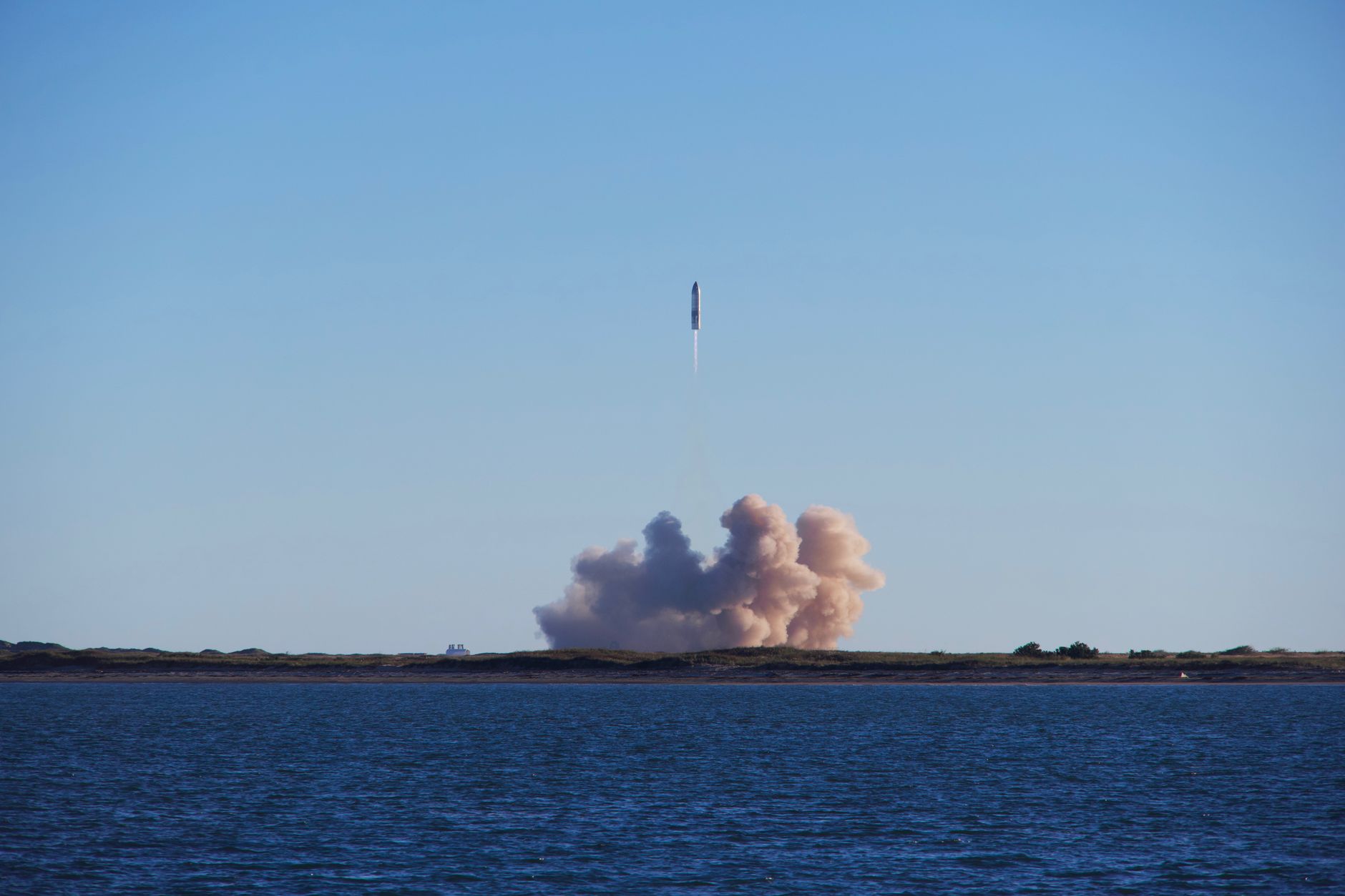
SpaceX is scheduled to launch its Starship megarocket on Monday, Sept. 28, marking the vehicle’s first attempt to reach Earth orbit. The launch will take place from the company’s Starbase facility in South Texas during a 75‑minute window that opens at 8:15 a.m. EDT (12:15 GMT, 7:15 a.m. local Texas time). SpaceX will stream the event live, with coverage beginning roughly half an hour before liftoff.
Launch window and site
The Starbase site has been the home of all 13 previous Starship test flights, each of which remained suborbital. This mission, designated Flight 14, will be the 14th launch of the vehicle and the first to attempt a sustained orbital trajectory. The rocket stands 407 feet (124 meters) tall when fully stacked, making it the largest and most powerful launch system ever built. Both stages – the Super Heavy booster and the Ship upper‑stage spacecraft – are engineered for rapid, full‑stage reusability, a capability SpaceX describes as the “holy grail of rocketry.”
Mission objectives and payload
During Flight 14, the 171‑foot‑tall (52 meter) Ship will carry 26 of SpaceX’s next‑generation Starlink Version 3 internet satellites. These satellites will form the first batch of a planned megaconstellation in low Earth orbit. Elon Musk has said the full constellation could eventually comprise 100,000 spacecraft, while the company currently operates about 11,000 Starlink satellites.
After reaching orbit, the Ship is expected to complete six revolutions around the planet before beginning its return. The vehicle will target a splashdown in the Pacific Ocean off the coast of Chile roughly ten hours after launch. This marks a significant shift from prior suborbital tests, which lasted a maximum of 65 minutes and concluded with splashdowns in the Indian Ocean near Western Australia.
The Super Heavy booster will separate shortly after liftoff and is slated to splash down in the Gulf of Mexico about seven minutes after launch, following the pattern of earlier flights.
Future milestones and challenges
SpaceX envisions future operational flights in which both Super Heavy and Ship return to the launch pad and are captured by the tower’s “chopstick” arms. The company has already demonstrated three successful booster catches, but a ship‑level catch has not yet been achieved.
Beyond Earth orbit, Starship missions will require in‑space refueling via tanker versions of the spacecraft – a capability that has not yet been proven. Additionally, crewed flights will demand a life‑support system aboard the Ship. NASA has selected Starship as the first crewed lunar lander for the Artemis program, targeting a crewed lunar landing on the Artemis IV mission in 2028.
Flight 14 therefore serves as a pivotal test of both orbital performance and the reusable architecture that underpins SpaceX’s long‑term vision of lunar, Martian, and deeper‑space exploration.

Steve Lopez is a Senior Editorial Columnist and Health & Public Policy reporter for News Raise. Steve focuses on healthcare advancements, medical technologies, and public health policies.