Evolutionary biologist Julia Van Etten, an assistant professor at the University of Maryland since 2026, identified two previously undescribed species of the photosynthetic amoeba genus Paulinella while conducting follow‑up fieldwork in North Carolina. The discovery, published in the Journal of Phycology on September 4, 2026, raises the number of known photosynthetic Paulinella species from four to six.
From a vacation sample to a motel laboratory
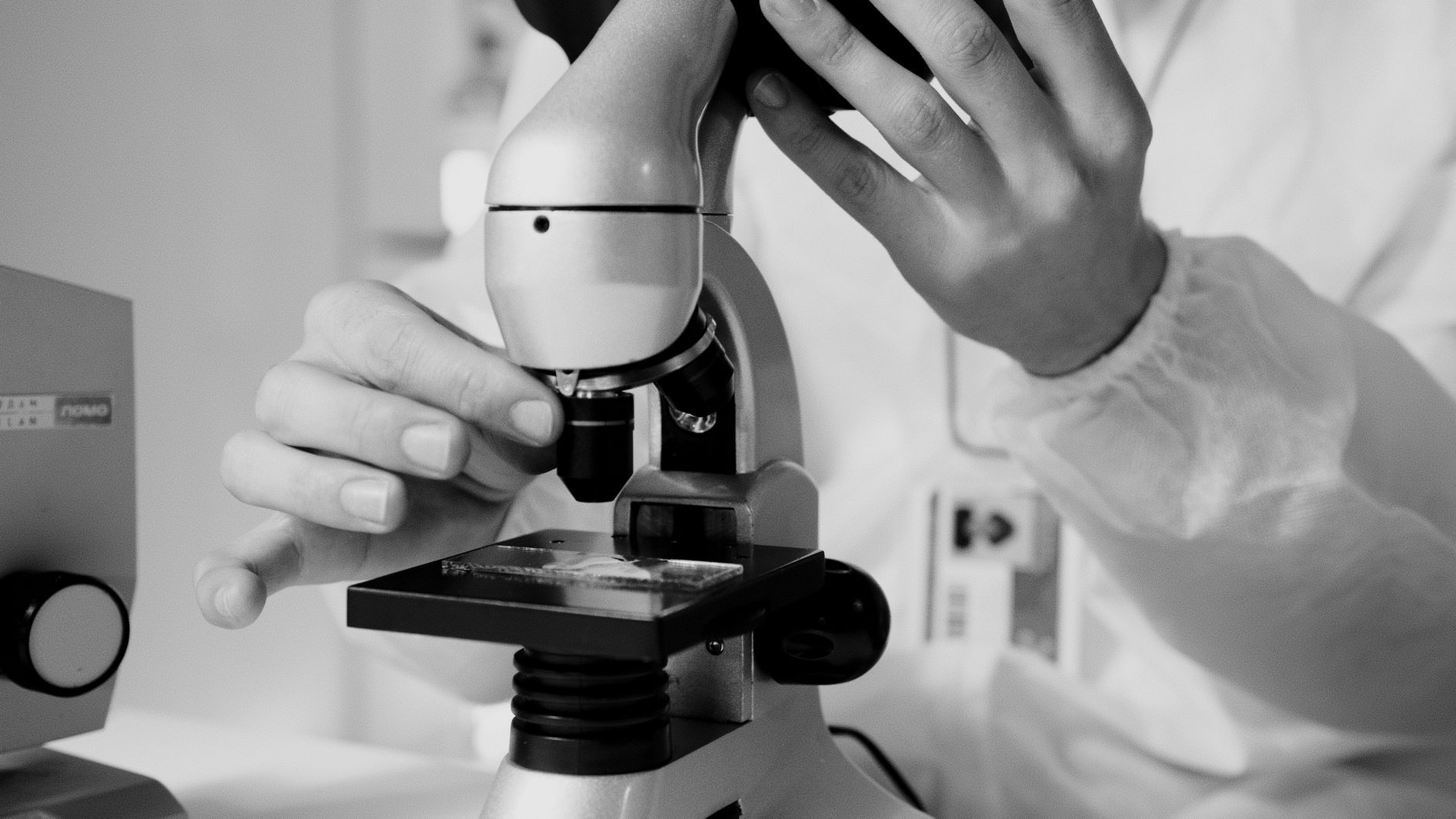
The initial observation occurred in May 2021 during a family vacation to the Outer Banks. While driving past a roadside marsh, Van Etten collected a water sample and later examined it in the motel where she was staying, paying roughly $80 per night. Using a $300 hobby‑grade microscope and a $198 camera she had brought for her “Couch Microscopy” outreach project, she spotted two tiny cells about 15 µm long that did not match any known descriptions.
Recognizing the potential significance, Van Etten and a team of collaborators—including postdoctoral researcher Andrew Willoughby of Duke University and John Burns of the Bigelow Laboratory for Ocean Sciences—continued sampling the brackish waters of Roanoke Sound in Nags Head. The motel room served as an improvised research base where freshly collected material could be examined immediately.
Improvised techniques isolate rare cells
Because Paulinella cells are exceptionally scarce—often fewer than one per drop of water—the team relied on low‑tech tools to isolate them. Individual cells were separated with pulled Pasteur pipettes, standard micropipettes, and makeshift instruments created by super‑gluing toothbrush bristles to coloured pencils. Isolated cells were then allocated to separate preparations for culturing, genomic sequencing, and scanning electron microscopy.
The improvised approach proved effective. Despite the rarity of the organisms, the researchers succeeded in culturing cells for up to about a month in filtered ambient water and specialized medium, although attempts to establish a long‑term axenic culture failed.
New species expand understanding of photosynthetic amoebae
Detailed morphological analysis revealed that the two forms represented distinct species, which the authors named Paulinella marae and Paulinella murrayi. P. marae possesses an elongated shell‑like structure ranging from roughly 15 to 19.1 µm and exhibits a unique pattern of overlapping silica scales. Both species were found in water with salinity between 10 and 14 parts per thousand.
Genomic work complemented the microscopy. Sequencing of chromatophore and mitochondrial genomes showed broadly conserved gene content but also structural rearrangements, including inversions. Phylogenetic trees built from nuclear versus organelle data differed, a discrepancy the authors attribute to factors such as substitution saturation, limited taxon sampling, and divergent evolutionary signals across genetic regions.
The discovery holds broader evolutionary importance. Photosynthetic Paulinella acquired a cyanobacterial endosymbiont about 100 million years ago, providing a comparatively recent example of primary endosymbiosis—the process that gave rise to the plastids of algae and land plants over a billion years ago. Because the transition is recent, researchers can study organelle integration in ways that are difficult with older systems.
Van Etten’s research, which focuses on horizontal gene transfer and its evolutionary impacts, suggests that photosynthetic Paulinella may be globally distributed yet substantially under‑sampled. Observations from hobby microscopists and naturalists support this view, indicating that many populations remain undocumented.
The North Carolina site, where the two species were repeatedly observed over several years, is highlighted as a promising location for future ecological, population‑genetic, and evolutionary studies of the genus.

Helene Elliott is the Lead Science & Space Reporter at News Raise. She reports on aerospace missions, astrophysics discoveries, quantum research, and environmental technology.