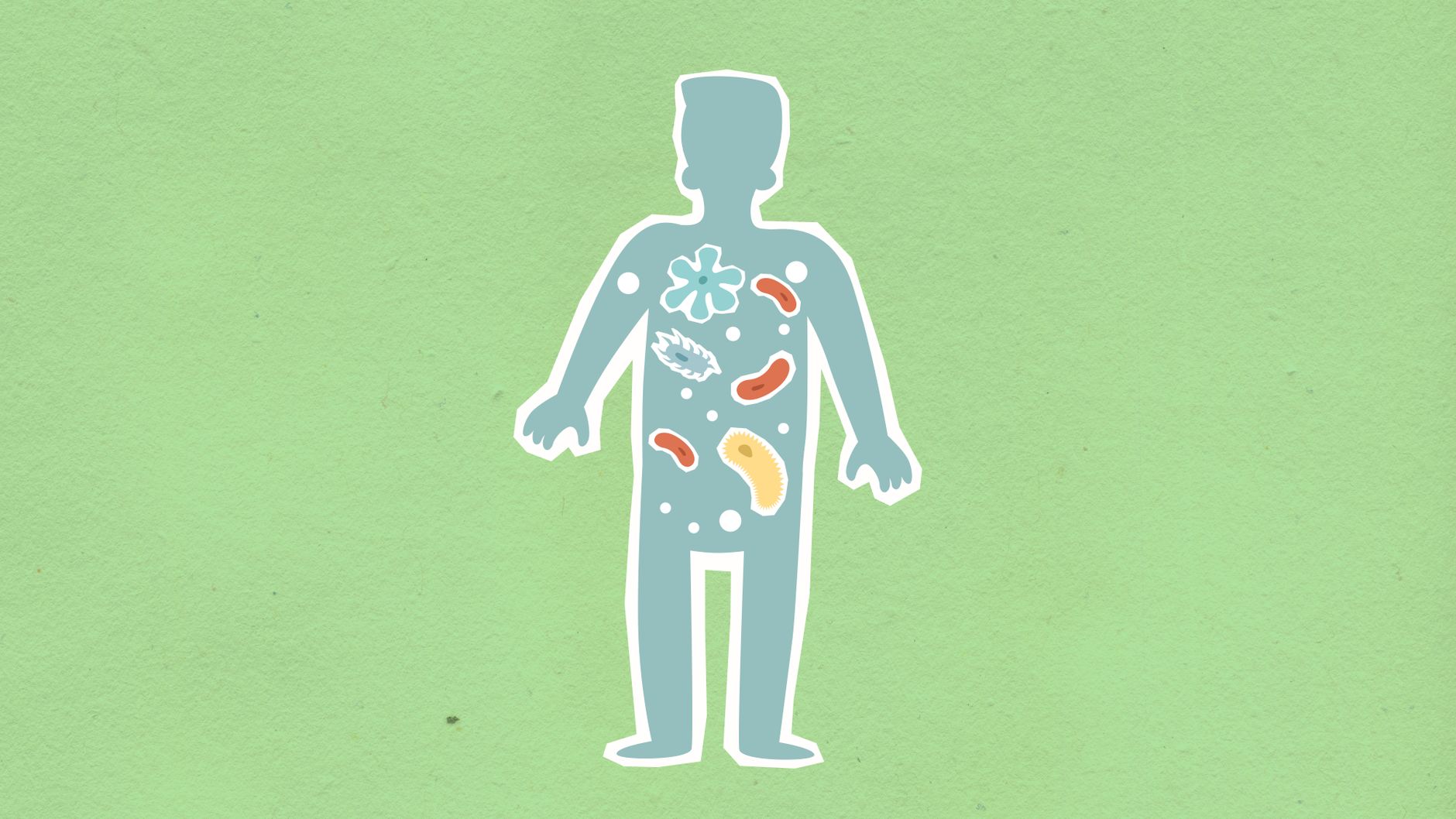
Researchers have identified a direct link between the consumption of sugary foods and heightened disruption of the gut microbiome in patients receiving antibiotics. The observation stems from a detailed analysis of dietary intake and stool samples from individuals undergoing allogeneic hematopoietic cell transplantation (allo‑HCT), a setting characterized by intensive chemotherapy, frequent antibiotic use, and profound microbiome perturbations.
Study design and patient cohort
The investigation tracked 9,419 meals consumed by 173 adult patients hospitalized for allo‑HCT due to blood cancers. Precise meal records were matched to longitudinal fecal microbiome data, yielding 1,009 stool samples from a subset of 158 patients for which paired dietary information was available. On average, each patient contributed five microbiome samples, with a range of one to 28 collections. The median time to neutrophil engraftment—when the transplanted graft began producing white blood cells—was 12 days (range 8–37 days). During hospitalization, nutritional intake varied widely; 23 patients required total parenteral nutrition for a median of 11 days, while five patients received enteral nutrition via gastric tube for a median of 76 days.
Dietary findings and microbiome impact
Using Bayesian inference on the paired data, the team discovered that intake of sweets and simple sugars during periods of antibiotic exposure predicted a measurable decline in microbial alpha‑diversity—a standard indicator of ecosystem health. Concurrently, the same dietary pattern was associated with a marked increase in the relative abundance of the pathobiont Enterococcus, a genus frequently linked to adverse outcomes in transplant recipients. The analysis showed that, while overall consumption of carbohydrates, fats, proteins, fibers, and most food groups fell over the course of hospitalization, the proportion of calories derived from “sugars, sweets and beverages” remained comparatively stable, allowing the researchers to isolate its specific effect on microbiome dynamics.
Mouse validation and implications
To test causality, the researchers conducted parallel experiments in mice receiving broad‑spectrum antibiotics. Mice supplemented with sucrose displayed both an amplified and prolonged bloom of Enterococcus compared with control animals, mirroring the human observations. These animal data reinforce the hypothesis that simple dietary sugars create a niche that favors the persistence and expansion of antibiotic‑resistant opportunistic bacteria.
The findings suggest a practical, low‑risk intervention: temporary avoidance of sugar‑rich foods during antibiotic therapy may help preserve gut microbial diversity and limit the overgrowth of harmful organisms such as Enterococcus. While the study focused on a specific clinical population, the authors note that the underlying mechanism could be relevant to any patient receiving antibiotics, and they call for further research in independent cohorts to confirm generalizability.

Steve Lopez is a Senior Editorial Columnist and Health & Public Policy reporter for News Raise. Steve focuses on healthcare advancements, medical technologies, and public health policies.