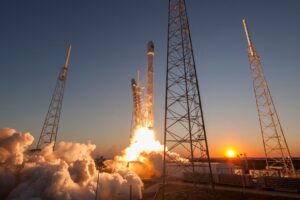
SpaceX launched the Crew‑13 mission Thursday from Cape Canaveral at 11:10 a.m. ET (1510 GMT) after a three‑week delay to repair a leaking fuel system on the Dragon capsule. Thick cloud cover threatened the countdown, but the skies cleared enough for a safe liftoff.
Record‑breaking flight to the ISS
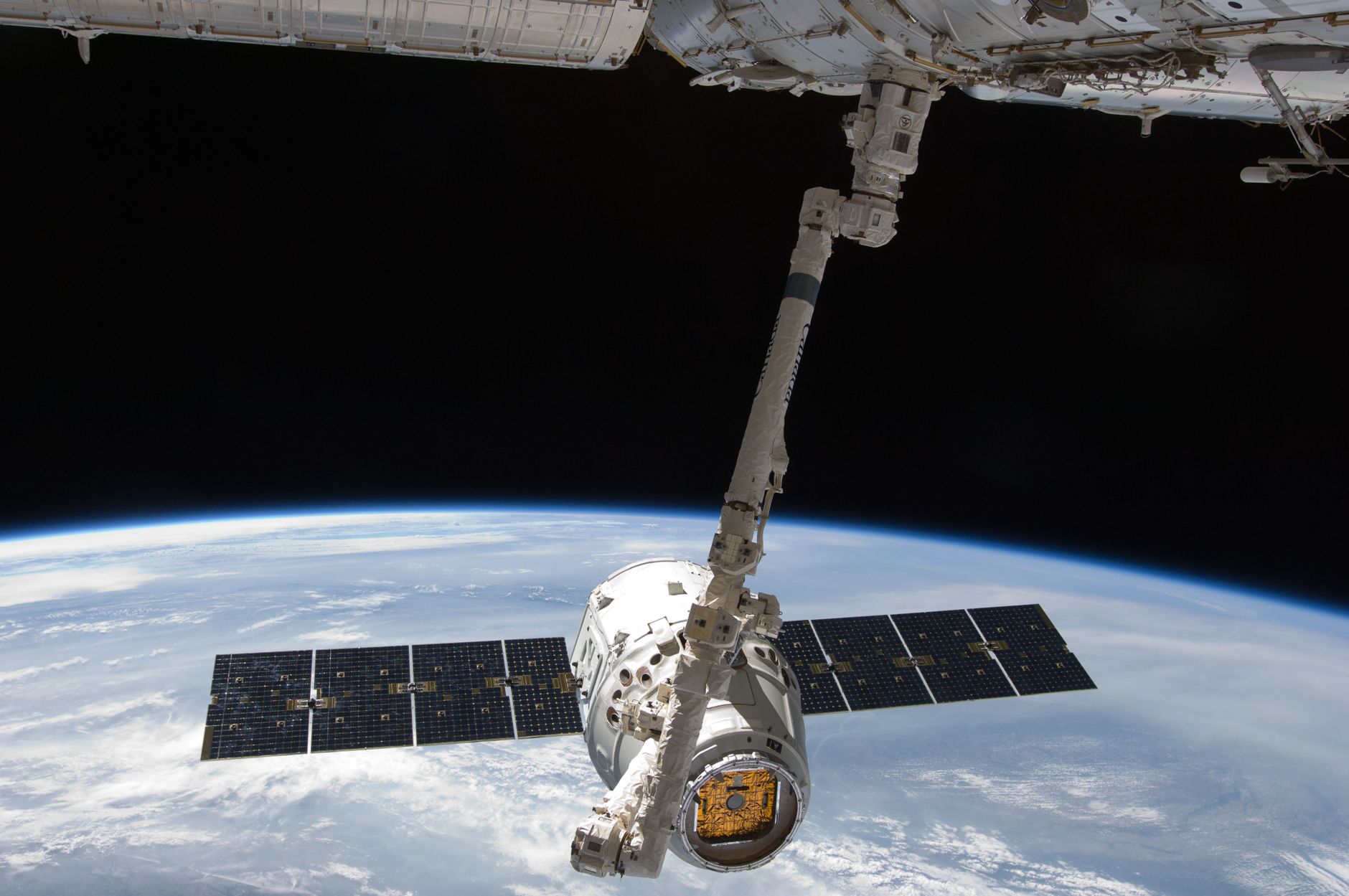
The Dragon capsule, named “Grace,” docked with the International Space Station after seven hours and 55 minutes, establishing the fastest United States‑originated journey to the outpost. The spacecraft travelled at roughly 17,500 mph (28,100 km/h) as it approached the ISS, a speed noted during a live NASA TV broadcast.
NASA’s previous U.S. launch to the station had taken more than 30 hours, highlighting how launch timing and the orbital position of the ISS can affect transit duration. The Crew‑13 flight therefore set a new benchmark not only for SpaceX but for any American entity, including NASA.
Historic crew composition
Commander Jessica Watkins led the four‑person crew, becoming the first Black woman to command a crew to orbit. Watkins, a geologist who previously contributed to NASA’s Curiosity rover mission, is on her second ISS expedition after a long‑duration stay in 2022. She radioed, “Thanks for an amazing ride,” after liftoff.
The other members were U.S. astronaut Luke Delaney, a retired Marine; Canadian astronaut Joshua Kutryk, a colonel in the Royal Canadian Air Force; and Russian cosmonaut Sergey Teteryatnikov, a former submariner. All three are newcomers to space. Kutryk noted that his wife will give birth while he is in orbit, making him the fourth man to become a father from space. His partner, Heather Kutryk, is due to deliver their third child in late November.NASA manager Dana Weigel said the agency will keep Kutryk “looped in” to his family throughout the six‑month stay, and the Canadian Space Agency pledged support for the family.
Mission context and symbolism
Crew‑13 is the thirteenth crew launched by SpaceX for NASA, excluding the 2020 test flight, and the mission patch references Apollo 13. The crew embraced the number 13 with black Teslas displaying “Lucky 13” plates and a crocheted golden dragon named Lucky bearing a four‑leaf clover. Watkins joked that they were “four of the luckiest humans on or off planet Earth.”
While the crew settles into the ISS for a six‑month rotation, they replace four astronauts who have been aboard since February. The launch also coincided with other SpaceX activities: a Falcon rocket from California carried more than 100 mini‑satellites three hours after Crew‑13’s lift‑off, and a second Falcon launch from Florida was scheduled for later that night with a classified national‑reconnaissance payload. The week also marked the first orbital flight of SpaceX’s Starship vehicle.
Watkins and her teammates entered the station through a pressurized vestibule, greeting colleagues on Earth. Watkins described the arrival as “amazing” and “ironic” given the short trip after a long preparation period. The mission adds another milestone to the growing partnership between NASA and commercial launch providers while highlighting historic firsts in crew diversity and flight performance.

Norman Pearlstine is the Executive Editor and Co-Founder at News Raise. With over two decades of experience across financial journalism, corporate governance, and market analysis, Norman leads the editorial direction and ensures strict adherence to journalistic accuracy and ethics.