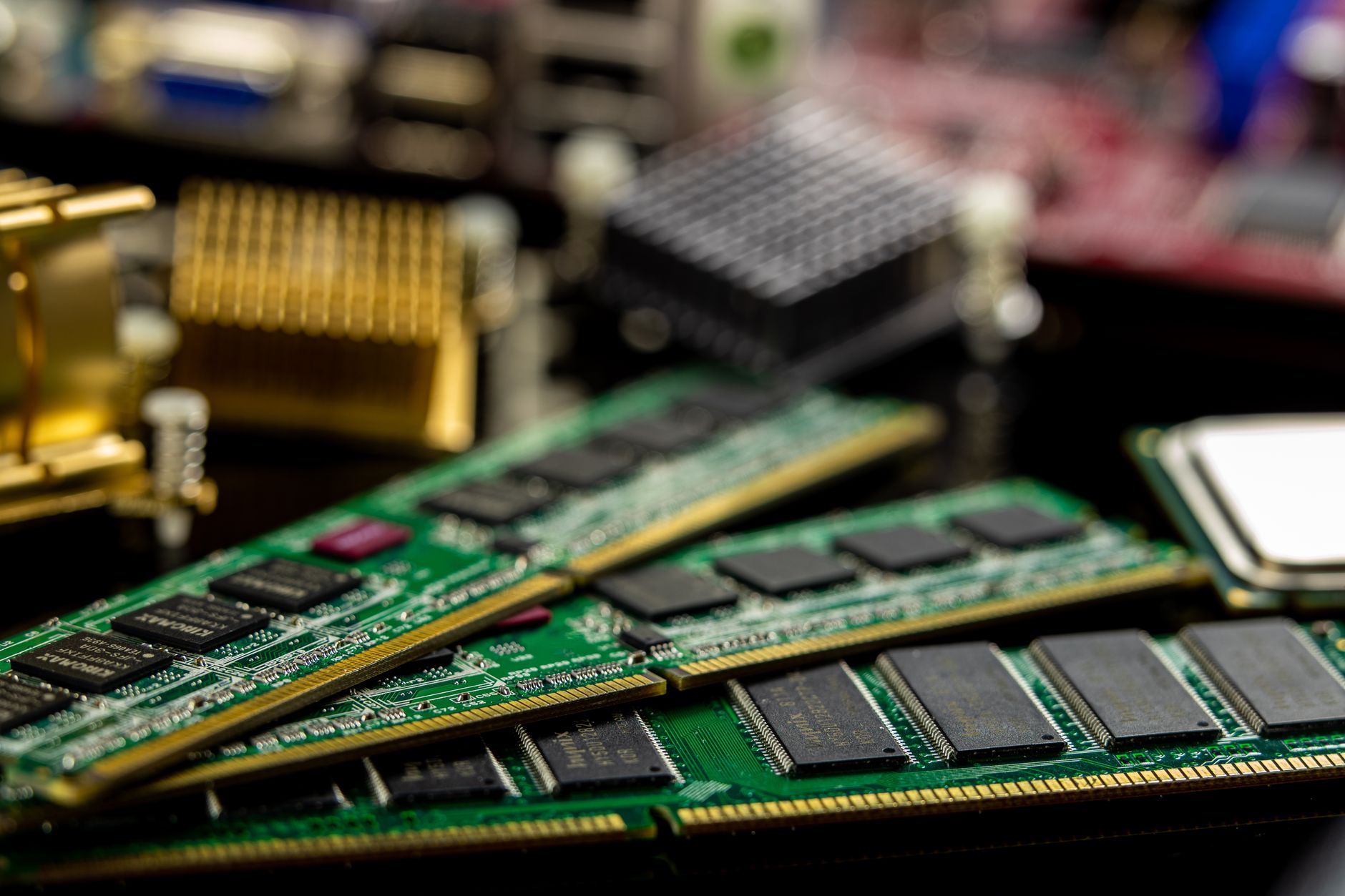
Micron Technology (ticker MU) posted a record fiscal 2026, reporting total revenue of $133.1 billion—a 256% increase from the prior year. The surge was powered largely by growing demand for high‑bandwidth memory (HBM) used in artificial‑intelligence (AI) workloads across data centers, mobile devices, automotive systems and emerging robotics.
Revenue growth accelerated sharply compared with fiscal 2025, when the company recorded a 49% rise. Earnings per share exploded to $74.33, an 879% jump year over year, placing Micron’s current price‑to‑earnings (P/E) ratio at 14.7. That figure is notably lower than the broader S&P 500 (P/E 23.5) and Nasdaq‑100 (P/E 35.2). Analysts surveyed by Yahoo! Finance project earnings of $176.69 per share for fiscal 2027, which would translate to a forward P/E of roughly 6.2.
AI‑driven demand across business units
Micron’s growth stems from four distinct segments. The cloud memory unit supplies HBM and other memory products to hyperscale cloud providers such as Amazon and Microsoft, as well as to a broader set of data‑center customers. The core data‑center segment delivers storage and non‑HBM memory solutions to operators of large‑scale computing facilities.
The mobile and client segment serves smartphone and personal‑computer manufacturers. As AI models become more efficient, an increasing number of devices can execute inference locally, boosting memory requirements in this market. Finally, the automotive and embedded segment provides memory to vehicle and robot makers. Micron notes that Level 4 autonomous vehicles need more than twice the memory of Level 2 or 3 systems, and that humanoid robots are expected to demand comparable capacities.
Outlook and market dynamics
In remarks released on September 30, CEO Sanjay Mehrotra warned that memory supply could become tighter in fiscal 2027 and 2028, suggesting continued revenue expansion. However, he also acknowledged that the semiconductor industry’s cyclical nature may temper growth once new manufacturing capacity eases the current shortage.
Industry competitors are expanding production, which could eventually relieve supply constraints and pressure prices downward. Micron’s ability to sustain the extraordinary earnings pace may therefore be limited as the market balances.
External factors could also influence demand. OpenAI recently introduced a $500‑per‑month subscription for its most intensive users while cutting token allocations for its $200 plan, reflecting rising infrastructure costs tied to AI services. A UBS Group survey earlier this year found that 60% of businesses were already shifting some AI workloads to cheaper, more efficient models to curb expenses. If that trend accelerates, overall demand for high‑performance memory could moderate.
Despite the impressive financial performance, the stock’s valuation remains a point of debate. The 500% appreciation over the past 12 months, as of October 1, has positioned Micron among the top gainers in the sector, yet analysts caution that the rapid rise may have already priced in much of the expected growth.
Investors will need to weigh the company’s strong near‑term fundamentals against the potential for a more competitive supply environment and evolving AI cost structures. While Micron’s earnings growth appears robust, the long‑term trajectory will depend on how quickly supply expands and whether AI workloads continue to scale at current rates.

Helene Elliott is the Lead Science & Space Reporter at News Raise. She reports on aerospace missions, astrophysics discoveries, quantum research, and environmental technology.