Researchers at Virginia Tech have shown that the way food is processed can influence the body’s metabolic and neural reactions, even when two meals contain the same calories, carbohydrates, fats, proteins, water and salt. The findings, published in Nature Metabolism on October 5, 2026, suggest that processing itself may be a factor in the health effects linked to ultraprocessed foods.
Metabolic Differences Observed
The study enrolled just under 60 healthy adults aged 18 to 45. Participants fasted overnight before each test session. In a randomized design, each individual consumed either a highly processed or a minimally processed meal, with the two meals matched within one percent for all major nutrients.
The highly processed menu included a small piece of a peanut‑butter‑and‑jelly sandwich, deli turkey slices, vegetable chips, a cookie, cereal, instant mashed potatoes and a sip of water. The minimally processed alternative consisted of sliced banana, dried cranberries, cheese and a hard‑boiled egg.
After eating, blood sugar and insulin levels were measured repeatedly over several hours. Those who ate the processed meal displayed a markedly higher insulin response and sustained elevated blood glucose compared with the minimally processed group. “The insulin result was the most surprising to us, I didn’t expect it at all,” said Alex DiFeliceantonio, associate professor of human nutrition, foods and exercise at Virginia Tech and lead author of the study.
DiFeliceantonio noted that the transient rise in insulin could represent an early step toward the insulin resistance seen with chronic consumption of ultraprocessed foods. However, she cautioned that the short‑term changes observed in a single meal do not yet establish a direct link to long‑term health outcomes.
Brain Activity Varies with Food Processing
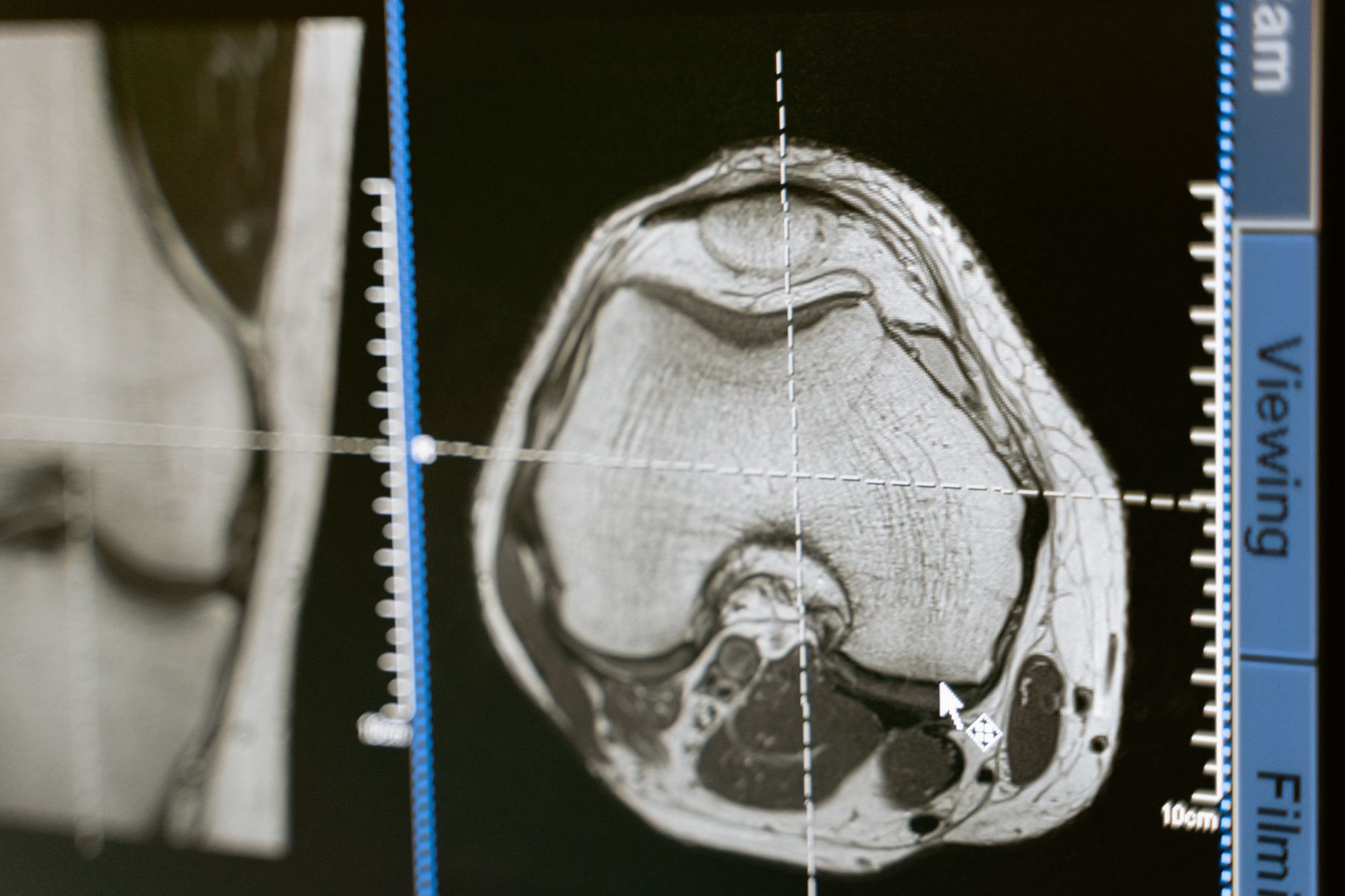
In a separate component, participants underwent functional magnetic resonance imaging (fMRI) while fasted. During the scan they viewed images of both ultraprocessed and minimally processed foods, including the exact items they later consumed. While the pictures were displayed, participants indicated how much they would be willing to pay for each food, allowing researchers to correlate subjective valuation with neural activation.
The scans revealed that brain regions associated with motivation and reward responded differently depending on the food’s processing level. “This tells us that nutrient information is getting to reward areas of the brain,” DiFeliceantonio explained. The pattern of activation resembled that typically seen with foods high in sugar and fat, even though the processed and unprocessed meals were nutritionally equivalent.
These neural differences support the idea that the sensory qualities engineered into ultraprocessed foods—such as added colors, flavors, and rapid‑dissolving textures—may influence the brain’s valuation system before digestion even begins.
Expert Reactions and Implications
Dr. Dariush Mozaffarian, director of the Food is Medicine Institute at Tufts University, described the work as evidence that “ultraprocessed and non‑ultraprocessed meals can produce different metabolic responses, which are linked to changes in the brain’s regions that regulate reward and craving.” He added that the findings hint at prolonged carbohydrate oxidation and potentially reduced fat oxidation, which could make weight loss more difficult.
Dr. Lu Qi, director of the Tulane University Obesity Research Center, called the study “new experimental evidence to explain the adverse effects of ultraprocessed foods on health.” Lindsey Smith Taillie, a nutrition epidemiologist at the University of North Carolina at Chapel Hill, said the research offers insight into two pathways: altered metabolism leading to higher insulin levels, and distinct brain responses that may drive cravings.
Both experts emphasized that further validation studies are needed to determine whether the acute changes observed after a single meal translate into long‑term disease risk. Nonetheless, the work adds a mechanistic layer to the growing epidemiological evidence linking ultraprocessed food consumption with obesity, diabetes and other chronic conditions.
Future investigations are expected to explore how repeated exposure to processed foods might reinforce the observed neural patterns and whether dietary interventions that reduce processing can modify metabolic and brain responses over time.

Steve Lopez is a Senior Editorial Columnist and Health & Public Policy reporter for News Raise. Steve focuses on healthcare advancements, medical technologies, and public health policies.