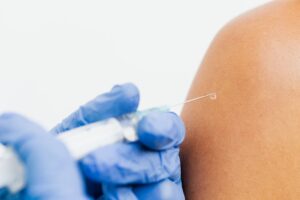
Health experts have voiced strong opposition after reports indicate the U.S. Centers for Disease Control and Prevention (CDC) is preparing to allocate $1.6 million to a hepatitis B vaccine trial that would involve newborns in Guinea‑Bissau. The trial, which was halted in January following revelations of an unethical design, would expose infants to a virus that can cause lifelong liver disease, including cirrhosis, cancer and premature death.
Funding proposal and budget implications
According to a Rolling Stone report, staff members in the CDC director’s office instructed the agency’s budget office in late September to earmark $1.6 million for the trial. The money is slated to be taken from the CDC’s global health security programs—funds that could otherwise support ongoing responses such as the Ebola outbreak in the Democratic Republic of the Congo. The Department of Health and Human Services, which oversees the CDC, declined to comment when contacted by Ars Technica.
Researchers under investigation
The proposed funding would come from the United States but the trial would be conducted by Danish investigators. In December, the CDC announced an unsolicited grant of $1.6 million to a research group at the University of Southern Denmark led by married scientists Christine Stabell Benn and Peter Aaby. The duo has authored numerous vaccine studies that have been cited by anti‑vaccine advocates, prompting criticism from the broader scientific community. Both researchers are currently under investigation by Danish authorities for alleged falsification and scientific misconduct linked to earlier vaccine research.
Guinea‑Bissau suspension and ethical concerns
Guinean‑Bissauan officials suspended the trial in January, citing ongoing ethical and technical reviews of its design. Public health minister Quinhin Nantote explained that “there has been no sufficient coordination in order to take a final decision regarding the study,” and that the lack of coordination led to the decision to halt the research. The suspension came amid international outcry over the trial’s plan to deliberately expose newborns to hepatitis B, a virus known for its severe long‑term health consequences.
The combination of a contested funding request, the involvement of researchers facing misconduct investigations, and the ethical objections raised by the host country has intensified scrutiny of the CDC’s role. Critics argue that redirecting funds from pressing health emergencies to a trial with questionable scientific merit and ethical safeguards undermines global health priorities.
While the trial remains on hold, the reported budgetary move underscores ongoing tensions between disease‑prevention research ambitions and the ethical standards required for studies involving vulnerable populations. The situation continues to be monitored by health authorities, ethicists and international observers.

Mitchell Landsberg is a Senior Technology Correspondent at News Raise. He covers consumer electronics, artificial intelligence, software developments, and digital privacy trends.