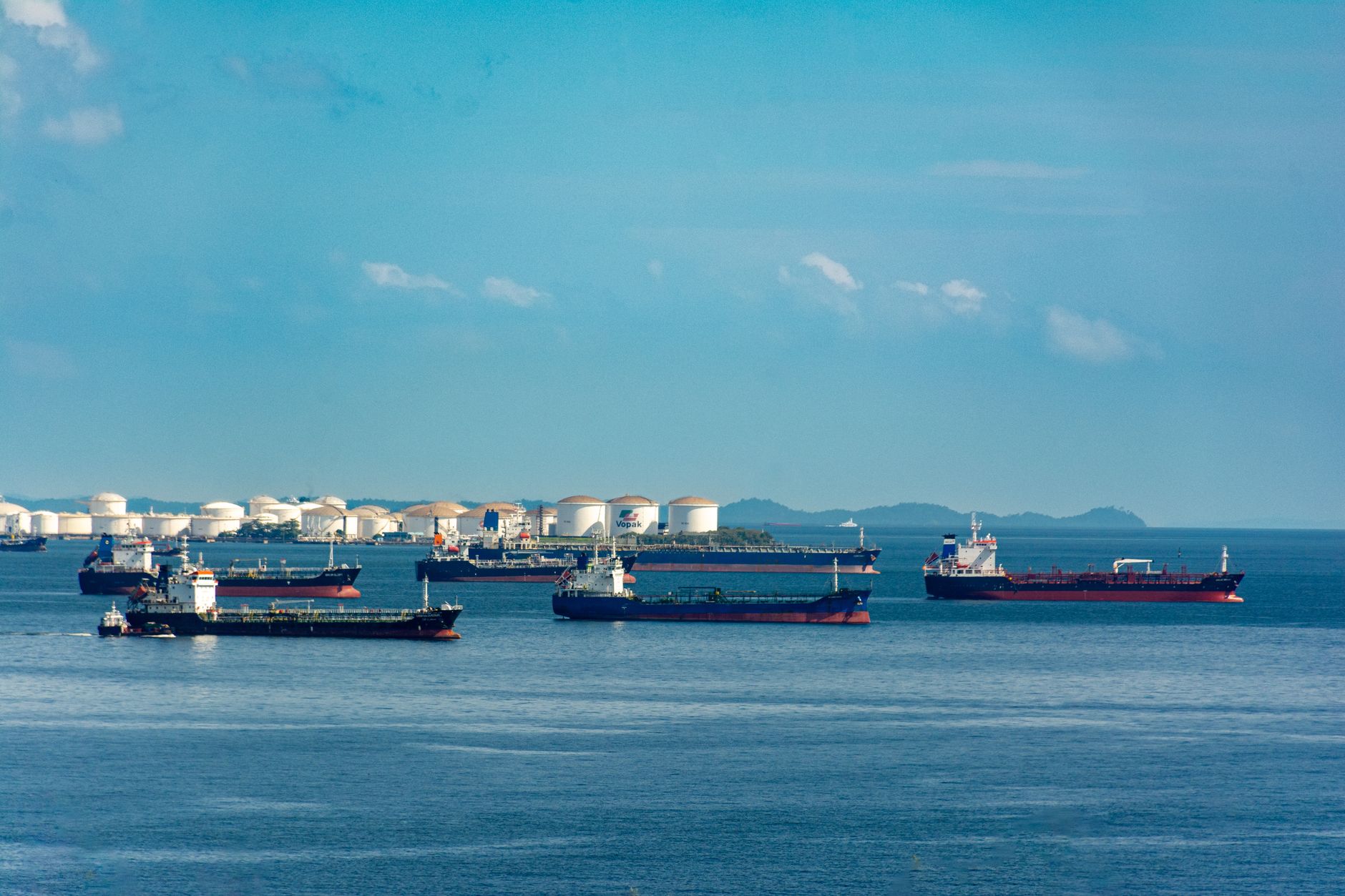
Despite a steady stream of Iranian drone and missile strikes, oil tankers continue to traverse the narrow Strait of Hormuz, a chokepoint that now commands both extreme danger and extraordinary compensation. Sources cited by the Financial Times say captains of vessels that shuttle oil in and out of the Gulf can collect a base salary of $100,000 a month, plus a $50,000 bonus for each Hormuz transit. That “danger money” is more than three times the regular monthly pay of about $15,000 and is essential for shipowners to keep crews on board.
Rising hazard pay for crews
While captains receive the bulk of the premium, ordinary sailors see their earnings swell from a typical $1,500 per month to four‑ to six‑fold higher levels when they complete a Hormuz run. The same Financial Times report notes that double pay is also offered in other high‑risk zones, such as the southern Red Sea, where Houthi attacks have targeted Saudi vessels, and the Gulf of Oman, a hub for post‑Hormuz ship‑to‑ship transfers. A source told the FT that those willing to endure the near‑constant threat are “almost being viewed as mercenaries,” and some crew members are reportedly being pressured to stay on board despite the danger.
Escalating freight costs
The surge in hazard pay mirrors a broader spike in shipping expenses. Daily freight rates for cargoes crossing the strait have climbed to a record $1.3 million, up sharply from last year’s $20,000‑$50,000 range. Insurance premiums tied to war risk now represent 6 %‑10 % of a vessel’s value, translating to as much as $20 million for a super‑tanker navigating the Gulf. Shipbroker Gibson highlighted that hiring a tanker for a U.S.–to‑China voyage now costs roughly $80 million, exceeding the $74 million price tag of a standard SpaceX Falcon 9 launch. Brokerage SSY estimated that current rates are the highest since the advent of the super‑tanker in the 1960s, even after adjusting for inflation.
Implications for the oil market
The mounting costs are feeding a global tanker shortage, which in turn pushes freight rates higher worldwide. Oil producers and commodities traders are increasingly considering ownership of their own tankers to control expenses. Yet soaring freight charges risk eroding profit margins for refiners. European refiner Repsol, for example, saw its margin fall from $36 per barrel in the third quarter to $15 in October, according to RBC analysts. Further margin compression could force refiners to cut crude processing volumes.
Analysts warn that the hazard premium could rise further if Iran escalates its campaign. Esfandyar Batmanghelidj, founder and CEO of the Bourse & Bazaar Foundation, cautioned that Iran retains the capability to destroy regional oil infrastructure and may adopt a scorched‑earth approach if diplomatic options disappear. Since the war began on Feb. 28, the International Maritime Organization records at least 93 ships hit and 24 sailors killed, underscoring the perilous environment that now defines oil shipping through the Persian Gulf.

Helene Elliott is the Lead Science & Space Reporter at News Raise. She reports on aerospace missions, astrophysics discoveries, quantum research, and environmental technology.