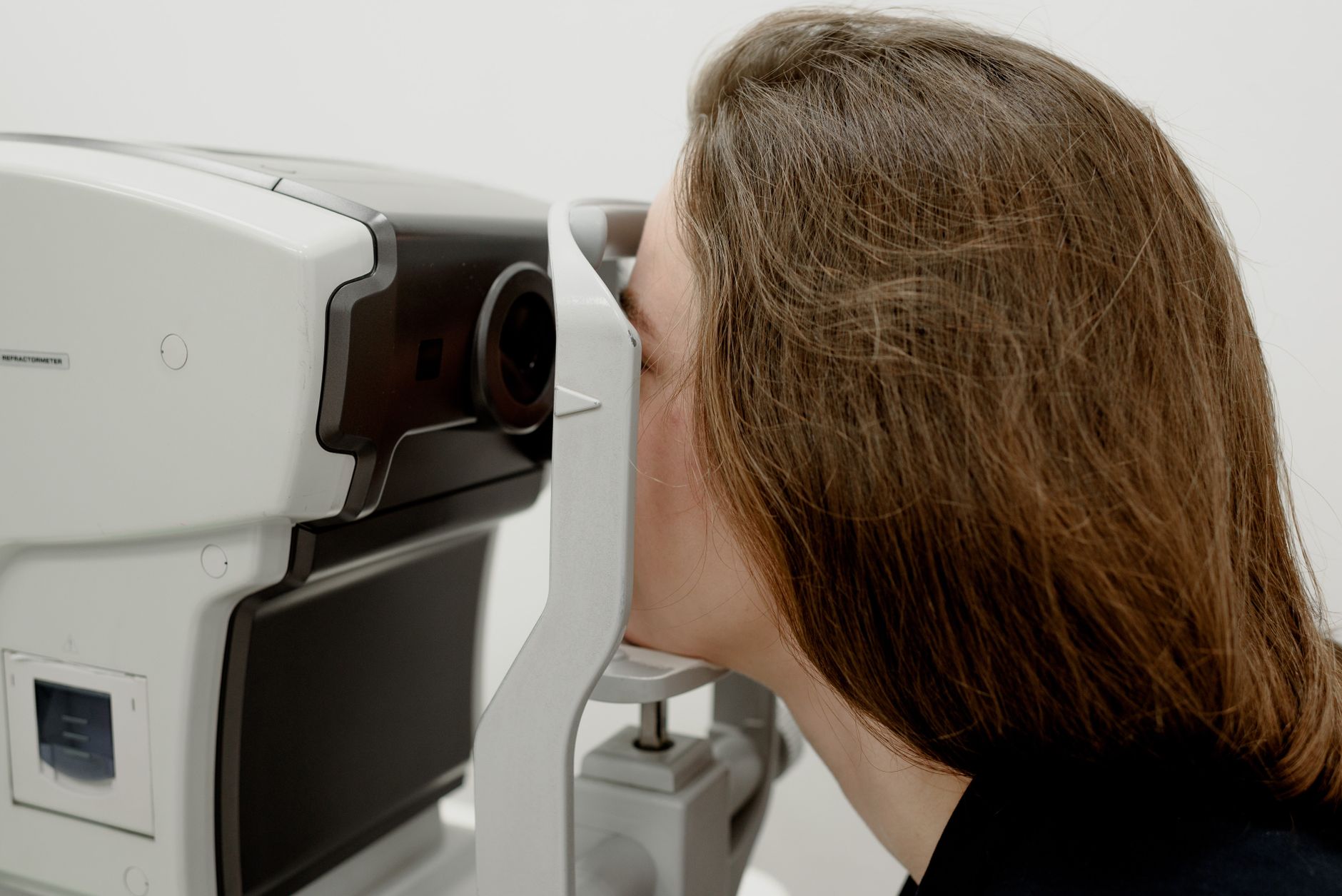
Todd Engel, a longtime operator of heavy machinery in Maryland, began taking the GLP‑1 medication Ozempic for diabetes in early 2023. Within months, he experienced sudden, total vision loss in his right eye, which doctors diagnosed as non‑arteritic anterior ischemic optic neuropathy (NAION). A year later, his left eye suffered the same fate. Engel’s lawsuit accuses Novo Nordisk, the maker of Ozempic, of failing to warn patients and physicians about the risk of NAION.
Scientific evidence and medical community response
In the winter of 2023, a JAMA Ophthalmology study reported a higher incidence of NAION among diabetic patients taking semaglutide, the active ingredient in Ozempic. The study, however, was observational and could only demonstrate correlation, not causation. The American Academy of Ophthalmology and the North American Neuro‑Ophthalmology Society issued a joint clarification, noting that the research could not prove the drug caused NAION, though they acknowledged a possible link and called for further investigation. Both societies advised patients not to discontinue GLP‑1 therapy based on the current evidence.
Regulatory oversight relies heavily on the FDA’s adverse‑event reporting system, which captures voluntary submissions from clinicians, patients, and manufacturers. NPR analysis of the database found more than 1,000 reports of optic neuropathy linked to GLP‑1 drugs since 2024, out of roughly 190,000 total GLP‑1 adverse reports, the majority of which involved gastrointestinal symptoms, dosing errors, or injection‑site reactions. The FDA has not yet requested label changes for Ozempic, but it has launched its own study to assess NAION risk and said it will determine whether regulatory action is needed after the assessment.
Legal actions and industry positions
Engel’s case is part of two consolidated multi‑district litigations alleging life‑threatening or life‑altering injuries from GLP‑1 medications. Attorney Jonathan Orent, representing plaintiffs, says 247 individuals have filed claims for NAION, while more than 4,000 plaintiffs allege serious digestive conditions such as pancreatitis or gallstones. Orent argues that drug makers should update warnings, as European regulators have done, because clinical trials lack the size and diversity to detect rare adverse events.
In response, Novo Nordisk’s spokespersons pointed to later research that casts doubt on a causal relationship between Ozempic and NAION, describing the lawsuits as meritless. The company also noted that serious conditions like NAION were exceedingly rare in clinical trials and that it continues to share safety data with the FDA, which has not yet mandated label revisions.
Eli Lilly, producer of the GLP‑1 drugs Mounjaro and Zepbound, issued a statement that it will “vigorously defend against these claims.”
Broader context and reporting challenges
GLP‑1 drugs have become widely used; a Gallup analysis found that more than one in ten Americans take a GLP‑1 medication for weight loss, and one in seven have taken one at some point. The drugs are prescribed for diabetes, obesity and other metabolic conditions, and they carry a spectrum of side effects.
Physicians sometimes hesitate to report adverse events. Emory University diabetes specialist Mohammed Ali said he did not submit three cases of pancreatitis or gallstones that occurred while patients were on GLP‑1s to the FDA database because he was uncertain the drugs were the cause.
Pharmacist Robert Miller of the West Texas Poison Control Center noted an increase in calls related to GLP‑1 side effects, partly driven by online purchases that bypass medical supervision. He highlighted the difficulty patients face in identifying a reporting channel for adverse reactions.
Engel’s wife, Shelley, says better warnings could have prevented the loss of vision that now confines her husband to a life without work or the ability to enjoy simple activities with their grandchildren. “This could have been prevented, if we only knew,” she said.
The ongoing litigation, regulatory reviews and medical commentary underscore a key uncertainty: while reports of optic neuropathy and serious digestive conditions exist, the frequency and direct causality of these events in relation to GLP‑1 drugs remain unproven. As courts consider the claims and agencies continue their investigations, patients and providers are left navigating a landscape where the benefits of GLP‑1 therapies must be weighed against still‑emerging safety signals.

Steve Lopez is a Senior Editorial Columnist and Health & Public Policy reporter for News Raise. Steve focuses on healthcare advancements, medical technologies, and public health policies.