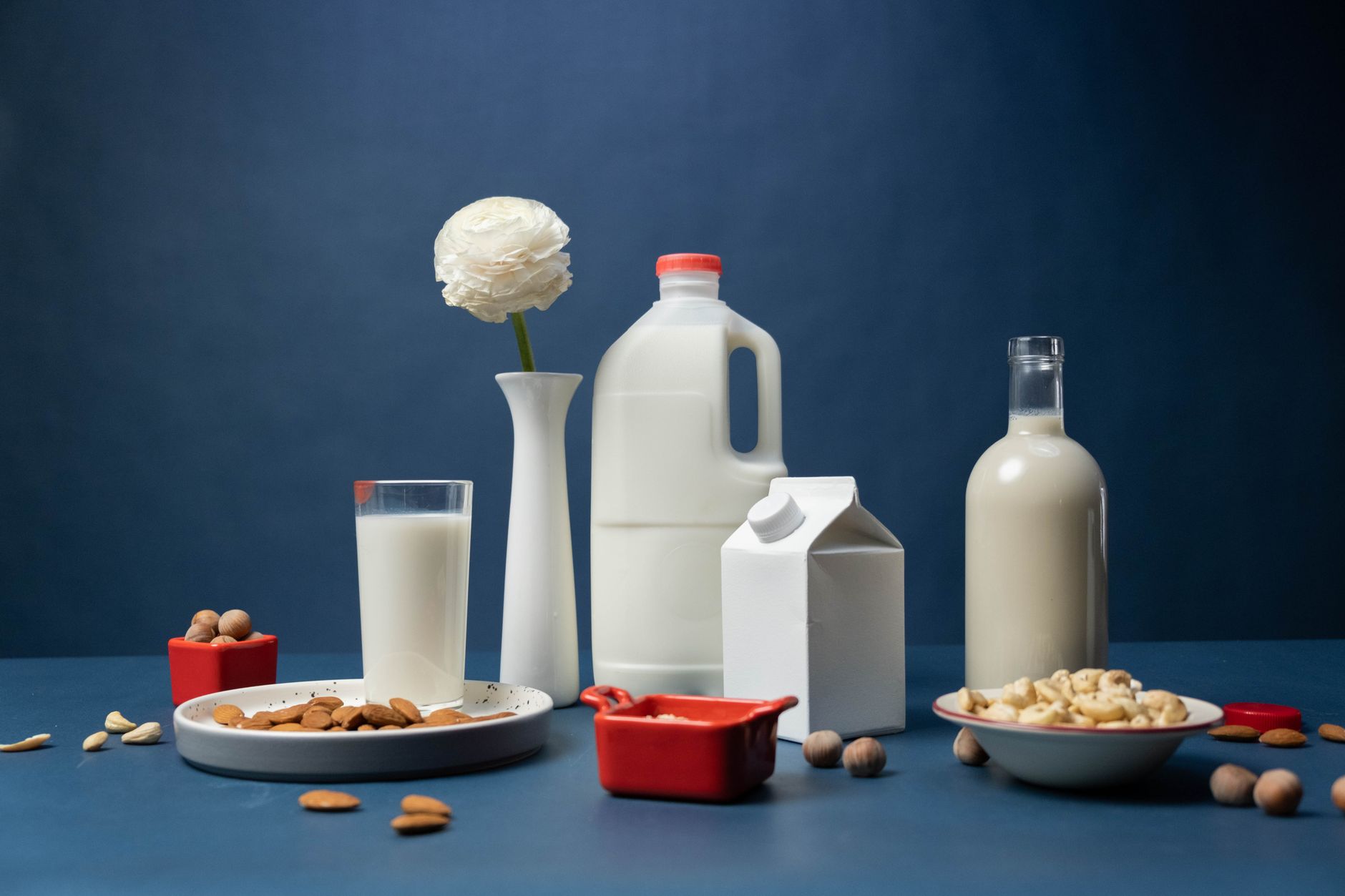
Raw milk consumption is climbing in the United States, but recent disease outbreaks have prompted the American Academy of Pediatrics to call for a nationwide ban on the sale of unpasteurized milk. The appeal comes after more than 100 people fell ill this summer, with 11 hospitalizations, and a multi‑state E. coli outbreak tied to cheese from the country’s largest raw‑milk distributor, Raw Farm.
Public‑health officials cite rising risk
Health experts say the surge in raw‑milk sales—up 17.6 % in 2024 according to market‑research firm Circana—has coincided with a wave of infections, particularly among children under three. Dr. Brian Dawes, an infectious‑disease specialist at Stanford University, warned that young children have weaker immune systems and can become seriously ill from pathogens in raw milk. He supports the Academy’s ban and added that public‑health leaders must work to restore confidence in the safety measures that have protected consumers for more than a century.
Scientific consensus rejects health‑claim myths
Proponents of raw milk often cite alleged benefits such as reduced lactose intolerance, allergy prevention and boosted immunity. The Food and Drug Administration and other public‑health groups counter that no credible evidence supports these claims. A 2011 study published in Clinical & Experimental Allergy suggested farm‑milk consumption might protect against asthma and allergy, but the FDA notes that about half of the milk in that study was boiled, and the authors could not confirm whether the samples were truly raw. The study’s own authors concluded that raw farm milk cannot be recommended as a preventive measure.
Regulatory history and recent legal landscape
Pasteurization—heating milk to destroy harmful bacteria—became common in the late 19th century and contributed to a dramatic decline in infant mortality. In 1987 the FDA banned interstate sales of raw milk, though individual states may still permit intra‑state distribution under varying regulations. Over the past decade, several states have relaxed those rules, creating a patchwork of legal environments that allow farms like Virginia’s Creambrook Farm to sell raw milk through a “herd‑share” loophole.
Creambrook Farm, operated by Ben Beichler and his wife, milks 150 cows and tests each batch in an on‑site laboratory before sending samples to an undisclosed third‑party lab. Since the COVID‑19 pandemic, Beichler says his sales have risen between 30 % and 50 % annually, attributing the growth to heightened consumer skepticism and a desire to control personal health risks. The farm boasts five‑star Google reviews, with customers praising the product’s perceived wholesomeness.
Political influence and public perception
Raw milk’s popularity has been amplified by social‑media influencers and political figures. Former U.S. health secretary Robert F. Kennedy Jr. publicly declared his preference for raw milk and criticized the FDA as waging a “war on public health.” After taking a shot of raw milk with Dr. Paul Saladino, Kennedy reportedly stopped advocating for the product once in office, and the current administration promotes whole milk instead. Petra Levin, a biology professor at Washington University, cautioned that while raw milk does not guarantee illness, the likelihood of encountering a pathogen is relatively high.
Amid the growing market and mounting safety concerns, the American Academy of Pediatrics’ ban proposal seeks to curb the spread of food‑borne illness, protect vulnerable populations, and reaffirm the public‑health benefits of pasteurization that have been established for more than a century.

Helene Elliott is the Lead Science & Space Reporter at News Raise. She reports on aerospace missions, astrophysics discoveries, quantum research, and environmental technology.