A 39-year-old woman who had not received the measles vaccine died on Saturday, Oct. 10, marking the sixth fatality attributed to the virus in Pennsylvania since the outbreak began in April. The death was confirmed by Franklin County Coroner Jordan Conner, who posted an advisory on social media indicating that the case meets the state health department’s definition of a measles death.
Details of the Latest Fatality
According to the coroner’s office, the woman had multiple underlying health conditions and had recently tested positive for measles. The official cause of death was listed as a “probable acute cardiac event due to possible complications of the measles.” The advisory emphasized that the woman was unvaccinated, a factor that aligns with the vaccination status of all previous measles deaths recorded in the state.
Outbreak Scope and Recent Statistics
Pennsylvania’s health department released an update on Friday, Oct. 9, noting a total of 1,136 measles cases reported since the start of the year. Of those, 1,124 are linked to the current outbreak that began in April. The disease has now spread to 41 of the state’s 67 counties, showing no sign of abating.
The outbreak has resulted in 218 hospitalizations, and just in the week preceding the latest update, 157 new cases were reported. The rapid increase underscores the ongoing challenge public health officials face in containing the virus.
The five prior deaths in the outbreak included a newborn, a six‑week‑old infant, an 18‑year‑old, a 20‑year‑old, and a 40‑year‑old. All of the deceased individuals were unvaccinated; the two infants were too young to have received the measles vaccine, which is typically administered in two doses beginning at 12 months of age.
Public Health Context and Vaccination Concerns
The latest fatality adds to growing concerns about vaccine hesitancy and the consequences of remaining unvaccinated during a highly contagious outbreak. Measles, a virus known for its extreme transmissibility, can lead to severe complications, including pneumonia, encephalitis, and cardiac issues, as suggested by the coroner’s determination of a probable cardiac event linked to the infection.
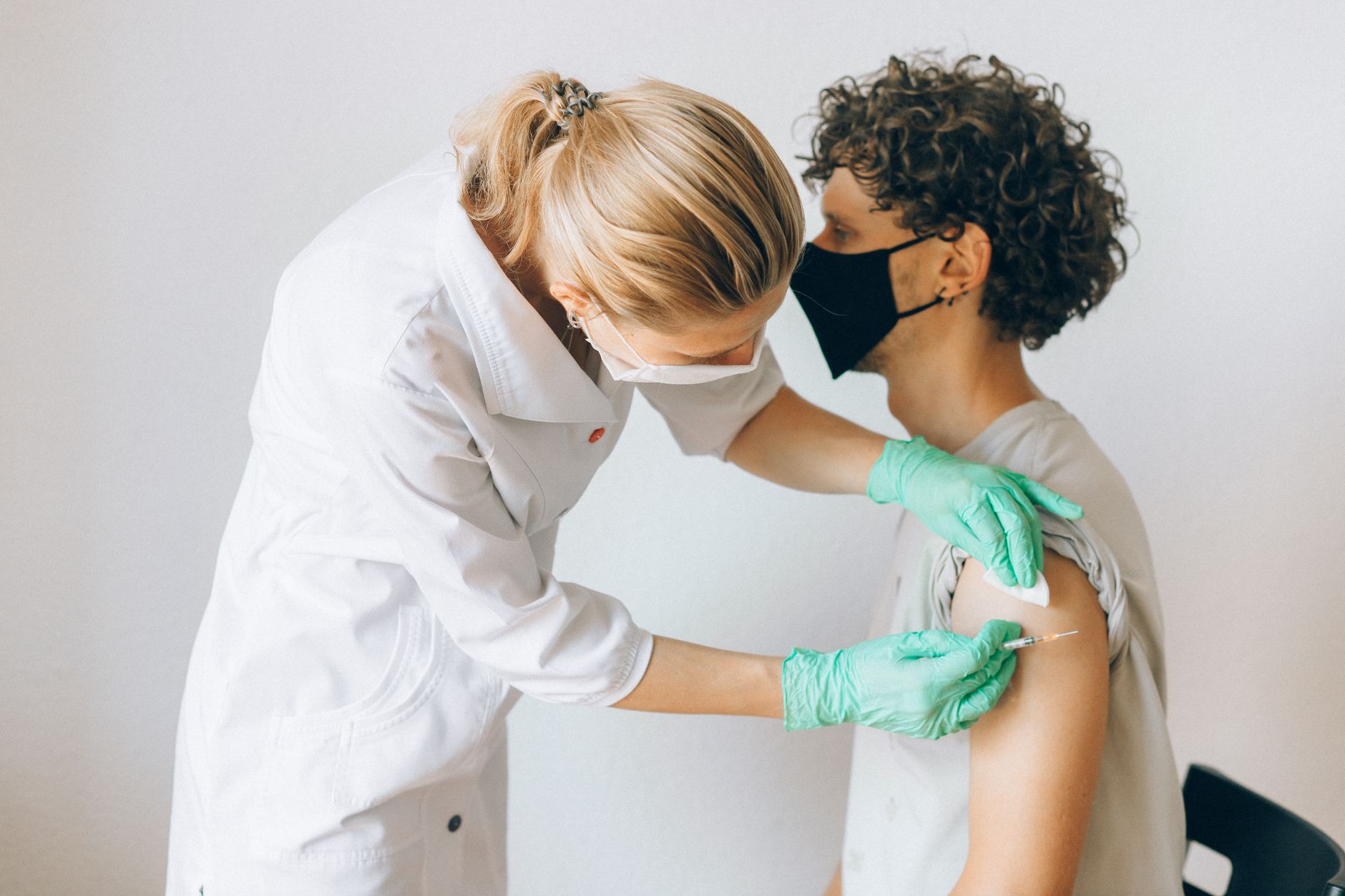
State health officials continue to urge residents to get vaccinated, highlighting that the measles vaccine is safe, effective, and widely available. The department’s outreach includes information campaigns, free vaccination clinics, and coordination with local health providers to increase immunization rates, especially in counties experiencing the highest case counts.
While the exact source of the current outbreak remains under investigation, epidemiologists trace its spread to multiple introductions of the virus, often linked to travel or contact with infected individuals who are not immune. The ongoing transmission across 41 counties suggests that community immunity levels are insufficient to halt the spread without broader vaccine uptake.
Public health experts warn that each additional case raises the risk of further complications and deaths, particularly among vulnerable populations such as infants, the immunocompromised, and those with pre‑existing health conditions. The recent death of a 39‑year‑old woman with underlying health issues exemplifies how measles can exacerbate existing medical problems, leading to fatal outcomes.
As the outbreak persists, Pennsylvania officials are monitoring hospital capacity, case trends, and vaccination coverage closely. The health department’s weekly updates aim to provide transparency and guide policy decisions, including potential school exclusions for unvaccinated children during periods of heightened transmission.
In summary, the death of the 39‑year‑old unvaccinated woman underscores the lethal potential of measles in an environment where vaccine coverage is incomplete. With more than a thousand cases, hundreds of hospitalizations, and a death toll that now includes six individuals, the situation remains a critical public health priority for Pennsylvania and neighboring states.

Steve Lopez is a Senior Editorial Columnist and Health & Public Policy reporter for News Raise. Steve focuses on healthcare advancements, medical technologies, and public health policies.