Colossal Biosciences announced Wednesday the rollout of GenoMorph, an artificial‑intelligence platform designed to accelerate its de‑extinction programs. The system integrates three‑dimensional morphology, comparative genomics and developmental biology to pinpoint genetic edits for species whose DNA is scarce, with the dodo bird currently serving as the primary test case.
How GenoMorph Works
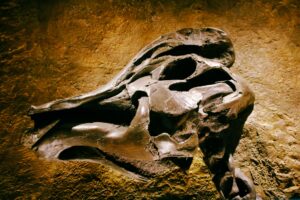
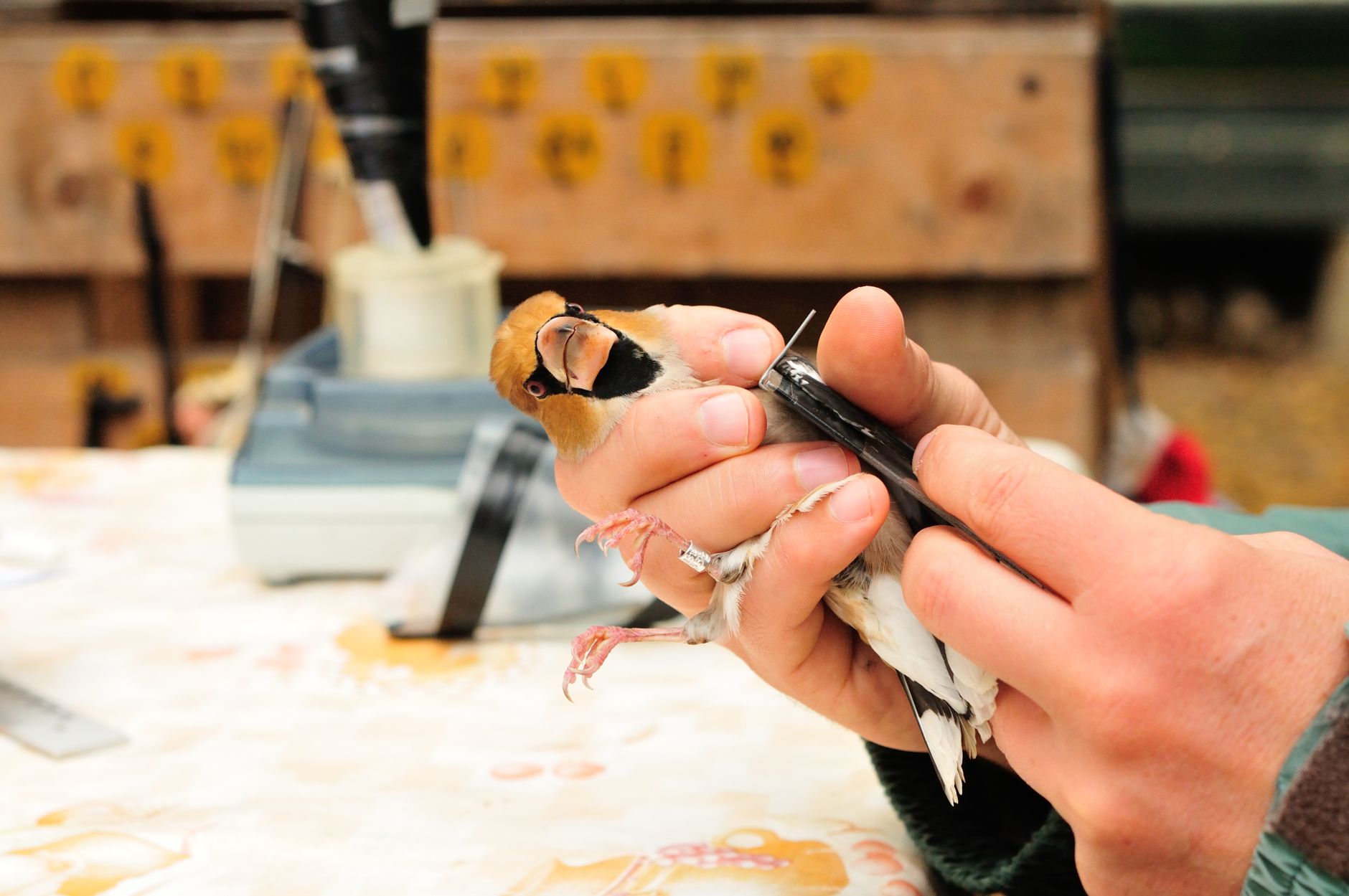
According to CEO and co‑founder Ben Lamm, GenoMorph was built after more than a year of data collection that combined developmental information from chickens, quail, ducks and pigeons with genetic data and 3D skull measurements from over 70 bird species. The AI learns which DNA regions become active as birds develop beaks and facial structures, then predicts which genetic switches may have produced the dodo’s distinctive appearance. Lamm described the platform as “a treasure map for the dodo genome,” allowing researchers to focus on the most relevant genetic differences rather than sifting through countless possibilities.
Progress on the Dodo Project
The company has already identified roughly 2,300 DNA‑editing targets related to the dodo’s cranial and facial morphology. Those targets are now ready for laboratory testing. To evaluate the effects of edits without waiting for a full breeding cycle, Colossal has also created a lipid‑nanoparticle delivery system that can introduce gene‑editing tools directly into developing bird embryos. This approach aims to reveal phenotypic outcomes before birds reach sexual maturity.
Colossal’s work on the dodo is supported by a growing Nicobar pigeon colony, which now numbers 36 individuals. The company has successfully generated the essential germ‑line cells—those that become eggs and sperm—from the pigeons. Because the Nicobar pigeon is the dodo’s closest living relative, these cells are considered a critical component of the strategy to produce birds carrying dodo traits.
Safety, Validation and Future Outlook
Lamm emphasized that GenoMorph does not edit genes itself; it merely highlights edits worth investigating. “Identifying a potential edit doesn’t mean we immediately introduce it into an animal or assume it’s safe,” he said. The platform is intended to make genetic engineering more precise, controlled and testable, thereby improving decision‑making throughout the de‑extinction workflow.
The initiative has attracted attention from XPRIZE founder Peter Diamandis, an investor in Colossal. Diamandis announced the formation of NeoGenesis Capital, a venture firm that will back companies leveraging Colossal’s programmable biology platform across health, agriculture and conservation.
With GenoMorph, Colossal aims to overcome a major bottleneck in resurrecting extinct species: determining which genetic changes truly define an organism’s unique traits. The company plans to validate its AI predictions in the lab, and Lamm expressed optimism that the convergence of multiple technologies is bringing the broader de‑extinction agenda closer to reality.

Helene Elliott is the Lead Science & Space Reporter at News Raise. She reports on aerospace missions, astrophysics discoveries, quantum research, and environmental technology.