Watertown, NY – The Jefferson County Public Health Service (JCPHS) announced that a resident of Jefferson County has tested positive for measles, according to a notification from the New York State Department of Health (NYSDOH) Wadsworth laboratory. The individual was not vaccinated against the disease.
Health officials have identified and notified people who were in close contact with the patient, emphasizing that the risk of infection remains very low for those who have received the measles, mumps and rubella (MMR) vaccine.
Public Health Response
JCPHS is coordinating with state health authorities to monitor the situation and to ensure that exposed individuals receive appropriate guidance. The agency stresses that anyone who develops symptoms consistent with measles—high fever, cough, runny nose, red watery eyes, followed by a rash—should call a healthcare provider before seeking in‑person care. Early notification allows medical facilities to implement infection‑control measures and limit further spread.
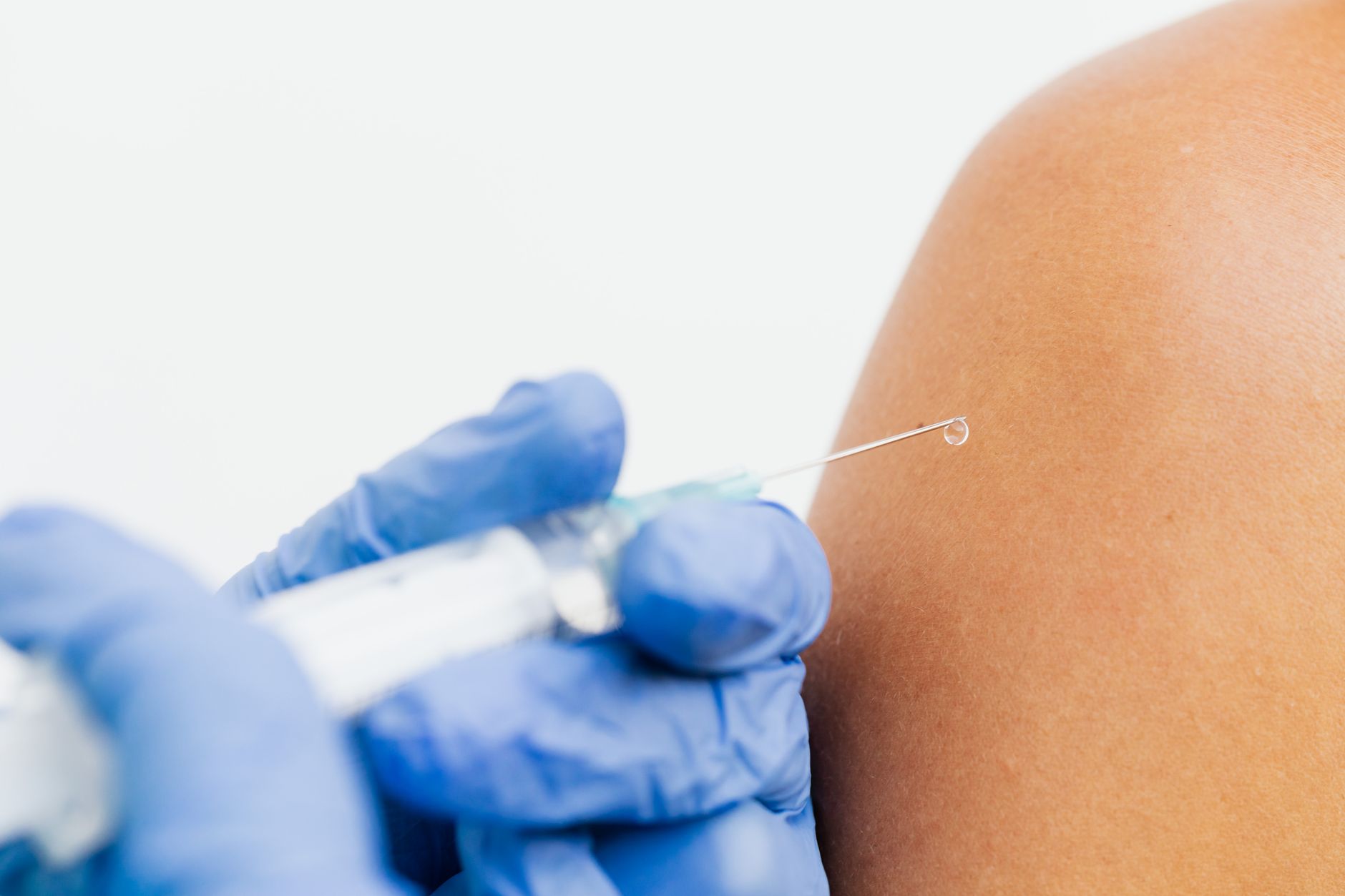
The county’s health department provides the MMR vaccine to residents, including those without health insurance, through the Vaccines for Adults (VFA) and Vaccines for Children (VFC) programs. Information about immunization services is available on the Jefferson County website or by calling 315‑786‑3700.
Vaccination Guidance
Faith Lustik, Director of Preventive Service for JCPHS, reiterated the importance of immunization, stating, “It’s never too late to get vaccinated. You can protect your child’s health by ensuring they are vaccinated against measles and its complications.” The two‑dose MMR vaccine is described as highly effective in preventing measles.
Unvaccinated persons, infants younger than 12 months, and individuals with compromised immune systems face the greatest risk of infection. In outbreak settings, an early dose of MMR is recommended for children aged 6‑11 months who will travel internationally.
Understanding Measles
Measles is caused by a virus that spreads through respiratory droplets when an infected person coughs or sneezes. The virus can remain airborne for up to two hours, making it extremely contagious. Less commonly, transmission can occur via contaminated surfaces that are then touched to the eyes, nose, or mouth.
Incubation typically lasts 7 to 14 days, though it can extend to 21 days. Initial symptoms include high fever, cough, runny nose, and conjunctivitis. After three to five days, a characteristic rash appears, beginning at the hairline and progressing downward over the face, neck, torso, limbs, and feet. Fever often reaches 104 °F (40 °C) or higher.
Complications can be severe and include pneumonia, encephalitis, miscarriage or preterm birth, and a phenomenon known as immune amnesia, where the body’s memory of prior infections is weakened.
Residents can track measles case counts by county on the NYSDOH Measles Dashboard, which is refreshed weekly on Tuesdays with data through the previous Saturday.

Mitchell Landsberg is a Senior Technology Correspondent at News Raise. He covers consumer electronics, artificial intelligence, software developments, and digital privacy trends.