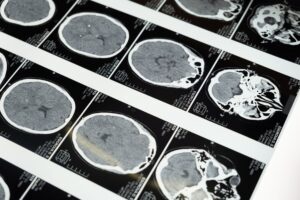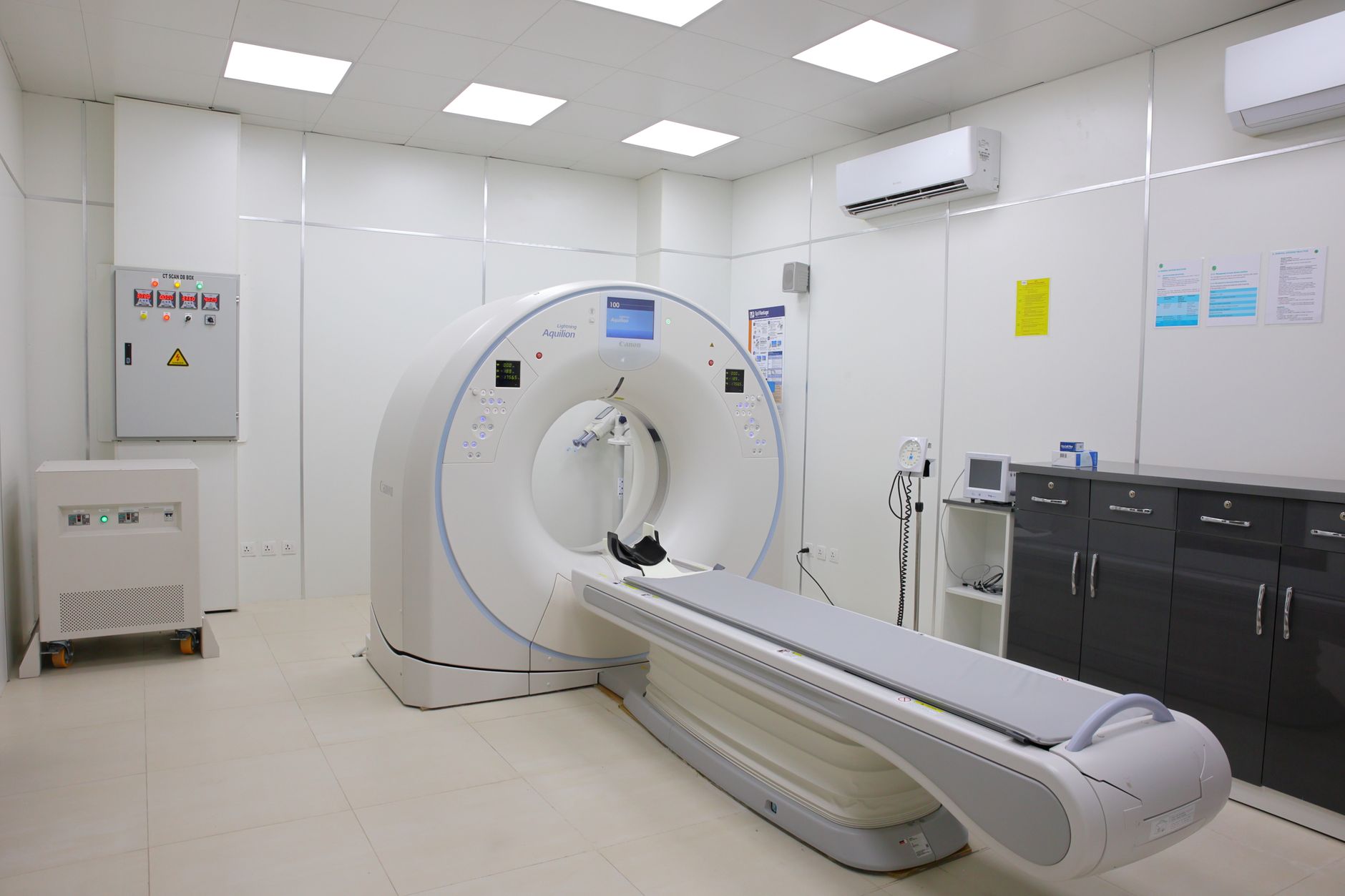
Lung cancer often develops without obvious symptoms, making routine screening one of the most effective ways to catch the disease early and improve survival rates. According to Dr. Daniel J. Boffa, a thoracic surgeon at Yale University and chair of the American College of Surgeons Commission on Cancer, screening can lower the chance of dying from lung cancer by roughly 20 percent.
Why Screening Matters
Despite the clear benefit, a substantial number of Americans who meet eligibility criteria do not undergo screening. Dr. Boffa warned that this gap translates into “tens of thousands of preventable deaths every year.” He also expressed optimism that future protocols could pair a blood test with a confirmatory low‑dose CT scan, potentially simplifying the process and reaching more high‑risk individuals.
Who Is Eligible for Annual Low‑Dose CT Scans
The American Cancer Society (ACS) currently recommends an annual low‑dose computed tomography (CT) scan for people aged 50 to 80 who either currently smoke, have quit, or have a smoking history of at least a 20 pack‑year total. Before deciding to be screened, individuals should discuss the purpose, benefits, limitations, and possible harms of the test with their health‑care provider.
Current guidelines also advise that ongoing smokers receive counseling and resources to quit. Those with serious health conditions that would likely limit life expectancy, or who would be unable to receive treatment if cancer were found, are advised against screening.
Although roughly one in seven lung‑cancer cases occur in people who have never smoked, there is no formal screening recommendation for never‑smokers at this time. Researchers consider identifying high‑risk never‑smokers an “intense area of research.” For now, Dr. Boffa suggests that individuals with a direct family history of lung cancer, even without smoking exposure, consider annual scans. He also highlighted higher‑risk demographics such as Asian women, noting that clearer guidance for never‑smokers could emerge within the next one to two years.
What to Expect During a Screening Scan
Most lung‑cancer screenings detect a nodule or other abnormality, but more often than not the finding is benign—over 99 percent of nodules turn out to be infections, scars, or inflammation rather than cancer. Approximately one‑third of screened patients also have unrelated health issues discovered, such as early signs of arterial hardening in the heart or nodules in other organs.
Dr. Boffa emphasized the importance of pre‑test conversations to set realistic expectations, noting that finding something abnormal is common and usually does not affect longevity. The CT scan itself takes only a few minutes, does not require an enclosed space like an MRI, and is generally well‑tolerated by people who experience claustrophobia. Results typically arrive within a few days.
Advances in treatment have improved outcomes even for advanced‑stage lung cancer, reducing the stigma that a diagnosis inevitably leads to a short life. Dr. Boffa described the evolution of lung‑cancer care as “amazing” and urged eligible adults over 50 with a smoking history to view screening as one of the most powerful tools to protect their lifespan.
Early detection remains critical because, in most cases, early‑stage lung cancer presents no symptoms. When symptoms do appear, they commonly involve the respiratory system—persistent cough, shortness of breath, or coughing up blood. Unexplained weight loss and persistent headaches may also signal underlying disease, according to oncologist Dr. Lary Robinson of Moffitt Cancer Center.
In summary, an annual low‑dose CT scan for eligible adults can dramatically reduce lung‑cancer mortality, but widespread adoption depends on patient awareness, provider counseling, and ongoing research to expand guidelines to never‑smokers and other high‑risk groups.

Helene Elliott is the Lead Science & Space Reporter at News Raise. She reports on aerospace missions, astrophysics discoveries, quantum research, and environmental technology.