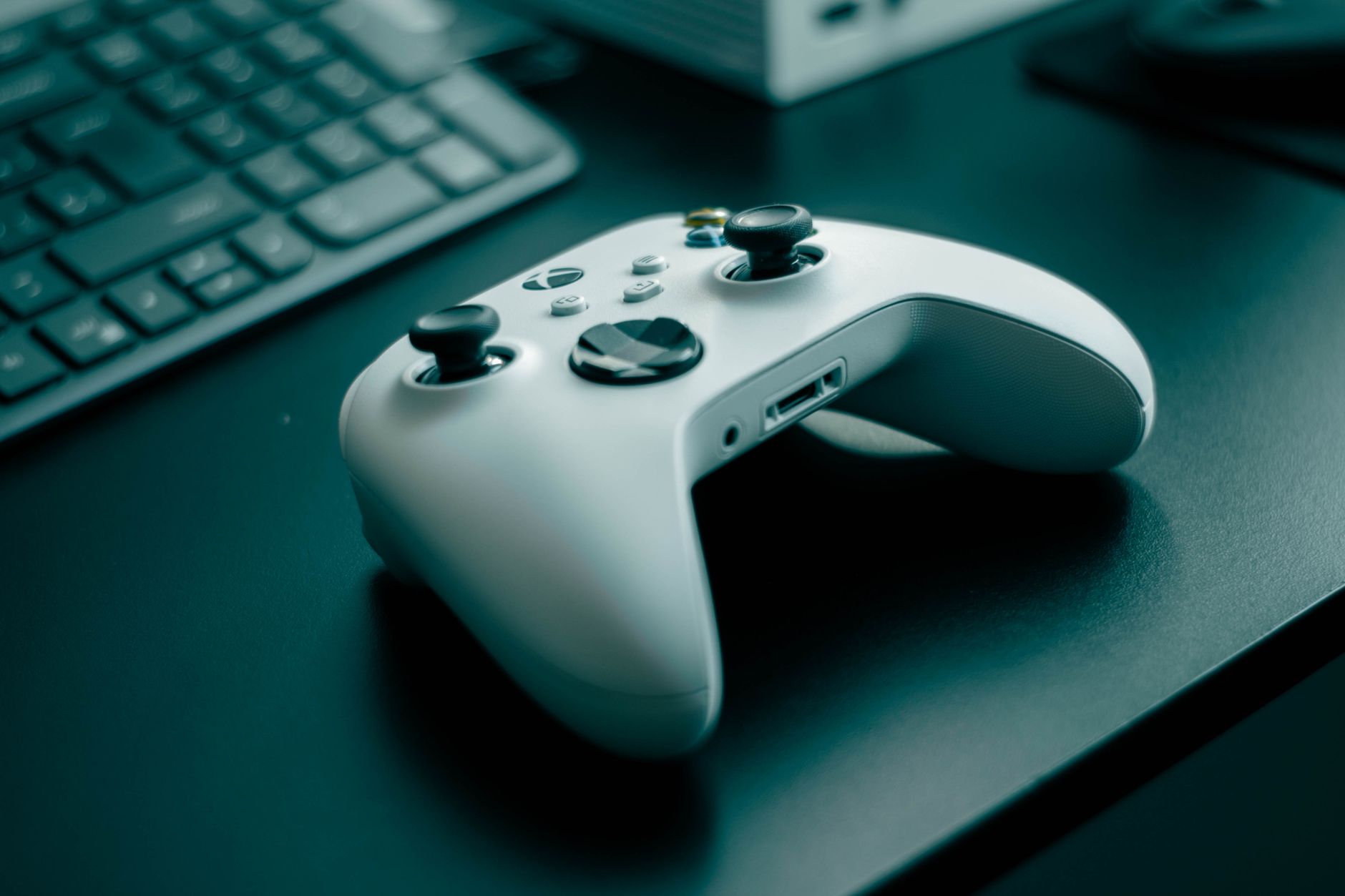
Microsoft has opened a new way for Xbox players to stream games they already own by selling cloud playtime in hourly blocks. The service, announced after the company narrowed its Game Pass streaming library in September, is now available to members of the Xbox Insider program.
Pricing and purchase model
Microsoft describes the offering as “introductory launch pricing.” Players can buy 10 hours of streaming for $4, 25 hours for $8, or 50 hours for $12. The company breaks these figures down to roughly $0.40, $0.32 and $0.24 per hour respectively. Once purchased, the hours remain in the user’s account until they are used; there is no expiration date on the bought time.
How the model differs from existing services
The pay‑per‑hour approach recalls the arcade era, when gamers inserted quarters for brief play sessions. Today, most consumers expect a one‑time purchase that grants unlimited access at home. Microsoft’s Cloud Playtime, however, adds a metered cost on top of the price already paid for the game itself.
Xbox Game Pass subscribers receive a limited amount of monthly streaming access as part of their subscription, which covers hundreds of titles. By contrast, Cloud Playtime requires the user to own a “cloud‑playable” version of the game—or, for certain titles, to use a free‑to‑play version—before the hourly blocks can be applied.
Comparison with other cloud platforms
The model also stands apart from Google’s former Stadia service. Stadia offered unlimited streaming for games purchased on its platform, but those purchases could not be downloaded for local play on a PC or console. After Stadia shut down in 2022, Google refunded all purchases, highlighting a different value proposition and risk profile compared with Microsoft’s new offering.
Microsoft’s decision to sell streaming time in discrete units signals a shift toward a hybrid model that blends subscription benefits with on‑demand, usage‑based billing. While the per‑hour rates appear modest—especially the $0.24 per hour tier—the cost is additive to the original game purchase price. Critics may view the approach as a step back toward “pay‑per‑play” economics, yet it also provides flexibility for owners who want to stream without a full‑time subscription.
As cloud gaming continues to evolve, the industry will watch how gamers respond to Microsoft’s metered pricing and whether other platforms adopt similar structures. For now, Xbox owners have a new option to extend their library onto supported devices without committing to an ongoing subscription, paying only for the hours they actually stream.

Mitchell Landsberg is a Senior Technology Correspondent at News Raise. He covers consumer electronics, artificial intelligence, software developments, and digital privacy trends.