The United States is confronting its most significant measles resurgence in decades. Data from the Centers for Disease Control and Prevention (CDC) indicate that more than 4,580 measles cases have been recorded nationwide since Oct. 22, a figure that more than doubles the total reported for the entire previous year.
Pennsylvania bears the brunt of the surge
Pennsylvania accounts for a large share of the national increase. The state health department confirmed 1,338 cases across 44 counties, with 21 new infections reported as of Oct. 21. Hospitalizations have topped 250, and five deaths have been linked to the outbreak, three of which occurred in Lancaster County, an area with a sizable Amish population that traditionally has low vaccination rates.
State Secretary of Health Dr. Debra Bogen convened a roundtable with healthcare providers in Mifflin County to discuss response strategies. In her statement, Dr. Bogen emphasized the importance of listening to frontline workers in affected communities to refine public‑health actions.
Vaccination response intensifies
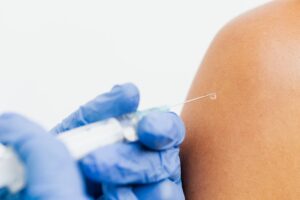
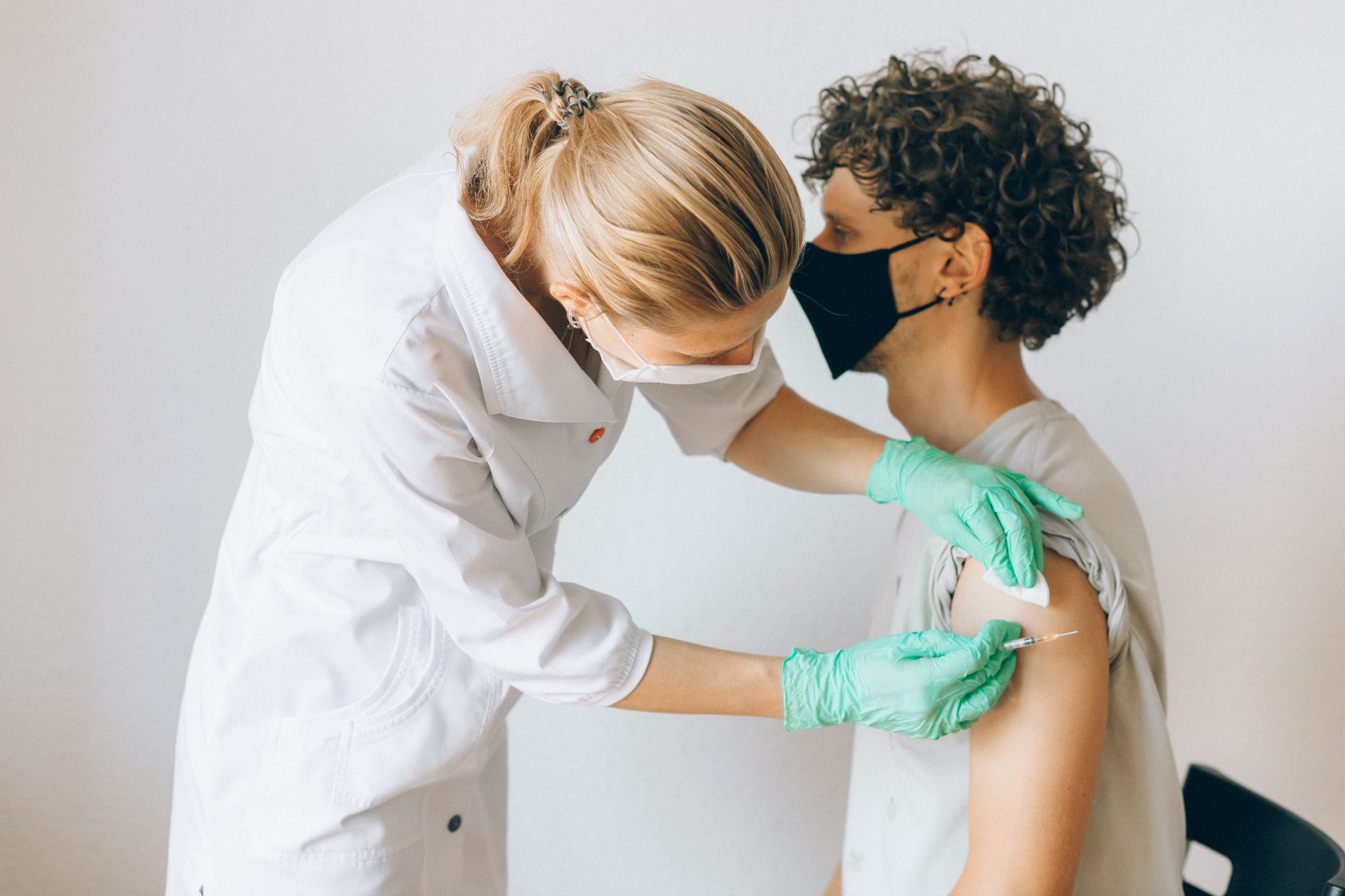
Health officials underscore that vaccination remains the most effective defense. The CDC reports that two doses of the measles, mumps and rubella (MMR) vaccine are about 97 % effective, while a single dose offers roughly 93 % protection. Reflecting heightened concern, Pennsylvania providers have observed a surge in vaccine demand. More than 39,000 measles vaccine doses were administered during the first three weeks of October, surpassing the state’s typical monthly average of 25,000.
Across the nation, similar patterns are emerging. New York Governor Kathy Hochul declared a disaster emergency after the state recorded over 160 confirmed measles cases as of Oct. 20. In Utah, health officials reported more than 700 diagnoses this year, though no new cases have been identified in the past three weeks. South Carolina, which experienced an outbreak earlier in the year, logged at least 997 cases in 2026 before the outbreak was declared over in April.
Unvaccinated individuals drive the spread
CDC analysis shows that 96 % of individuals who contracted measles in 2026 were either unvaccinated or had an unknown vaccination status. The concentration of cases in communities with historically low immunization rates, such as the Amish in Lancaster and Mifflin counties, highlights the ongoing challenge of vaccine hesitancy and access.
Public‑health authorities continue to urge residents to complete the two‑dose MMR series, especially those in high‑risk areas. The combined effect of increased vaccine administration and targeted outreach aims to curb transmission and prevent further hospitalizations and fatalities.
While the overall national picture remains concerning, the rapid mobilization of vaccination campaigns and coordinated state responses suggest a focused effort to contain the outbreak. Ongoing monitoring by the CDC and state health departments will determine whether these measures are sufficient to reverse the upward trend in measles cases.

Steve Lopez is a Senior Editorial Columnist and Health & Public Policy reporter for News Raise. Steve focuses on healthcare advancements, medical technologies, and public health policies.