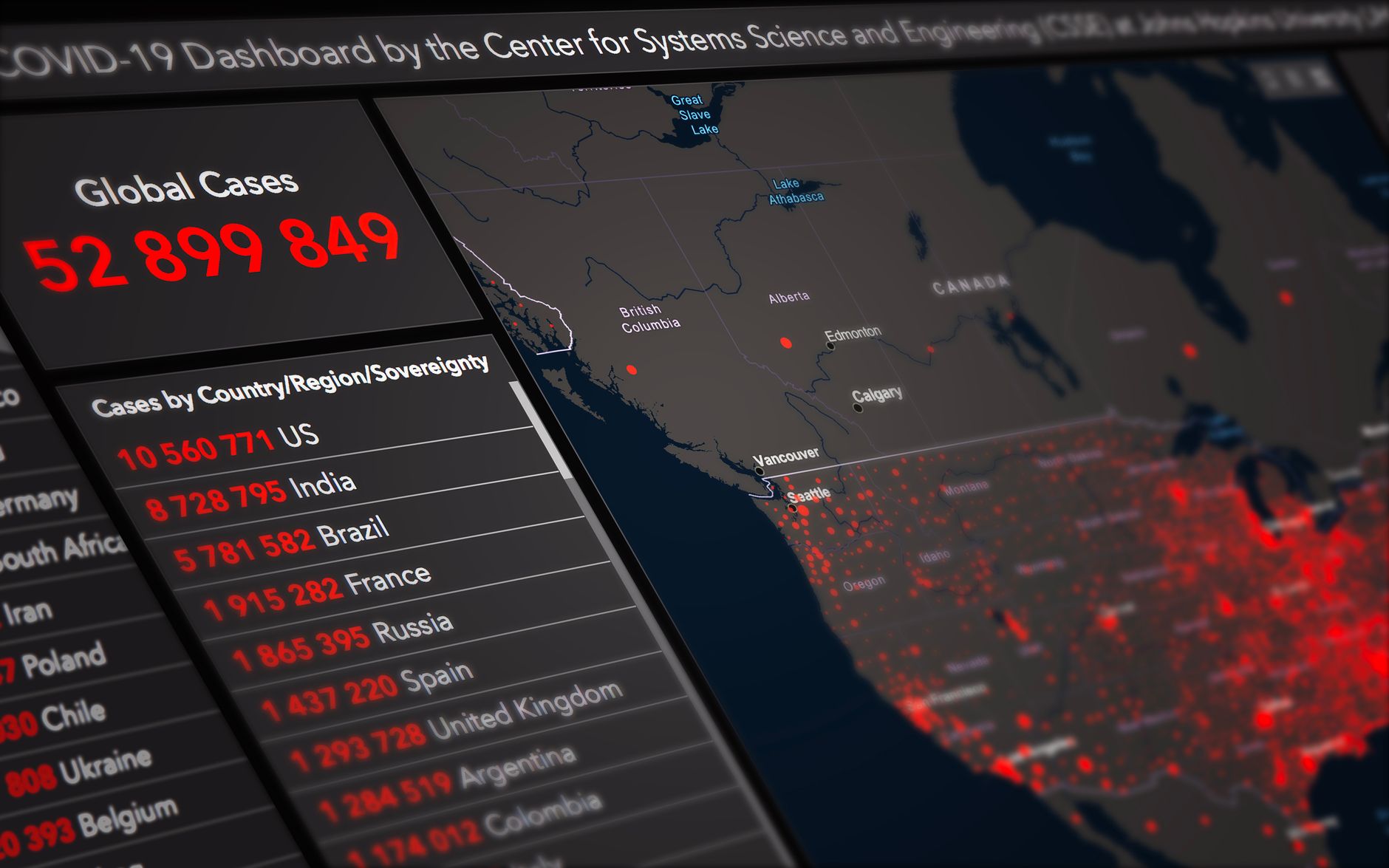
The Ebola epidemic declared in May 2026 in the Democratic Republic of Congo (DRC) has now exceeded 10,000 confirmed infections, according to the latest government figures. The rapid rise makes it the fastest‑spreading outbreak on record and the first to cross the 10,000‑case threshold in such a short span.
Scale and Impact
Nearly 5,000 people have died from the disease, placing the current death toll as the second‑highest in Ebola history. Children are disproportionately affected: about one‑third of the fatalities are among minors, and among those under five years old, roughly three out of four infected children have succumbed.
For context, the West Africa epidemic of 2014‑2016 ultimately recorded more than 28,000 cases, but at its peak it had infected only about 4,000 people. The present outbreak also covers the widest geographic area ever seen for Ebola, with confirmed cases reported from Nigeria through Kenya.
Why the Outbreak Accelerated
Scientists now believe the virus began circulating in February or March, months before the official declaration in May. The delay allowed silent community transmission to build momentum.
The strain responsible is Bundibugyo, a rarer variant for which existing diagnostic tests were not calibrated, causing further lag in detection. The affected region in northeastern DRC is remote, conflict‑ridden, and has limited health infrastructure, compounding the challenge.
International assistance has been slower than in previous crises. Nahid Bhadelia, an infectious‑disease physician at Boston University, noted that U.S. cuts to foreign aid and policies restricting American health workers from re‑entering the DRC have reduced the number of external responders. While the United States pledged more than $880 million, health workers on the ground report that disbursement has been uneven and far less than in the 2014 response.
Response Efforts and Ongoing Hurdles
Despite the obstacles, the response network has expanded. Approximately two dozen diagnostic laboratories now operate, and over 50 treatment centers have been established, providing close to 2,000 dedicated Ebola beds, according to UNICEF’s global incident manager, Douglas Noble.
Nevertheless, two‑thirds of deaths continue to occur in the community rather than in treatment facilities, indicating that many patients are not seeking care promptly. An October survey by the International Rescue Committee found that 85 % of respondents in the North Kivu hotspot distrust community responders, a sentiment that fuels rumors and hampers case finding.
Approximately 80 % of new infections are still being identified in individuals who were not previously on health‑officials’ radar, a statistic that experts say must fall before the outbreak can be contained.
Vaccine Prospects and Funding Concerns
No licensed vaccine or therapeutic exists for the Bundibugyo strain. The existing Ebola vaccine, Ervebo, targets a different species and has only recently been administered to health workers in late August. A clinical trial named “Tumaini” (Swahili for hope) has begun to evaluate Ervebo’s effectiveness against Bundibugyo.
Bhadelia cautioned that while a successful vaccine would be a major breakthrough, it alone cannot end the crisis. She emphasized that robust contact‑tracing, isolation, and community engagement remain essential, and warned that waning international attention could jeopardize funding and logistical support.
“The question that scares me more than anything is whether the international community will turn its eyes away from the DRC,” she said, expressing concern that financial resources may dry up before the outbreak is fully under control.
As daily case numbers appear to plateau, health officials stress that undetected transmission likely continues in remote zones, and that sustained global solidarity is critical to halt the spread.

Steve Lopez is a Senior Editorial Columnist and Health & Public Policy reporter for News Raise. Steve focuses on healthcare advancements, medical technologies, and public health policies.