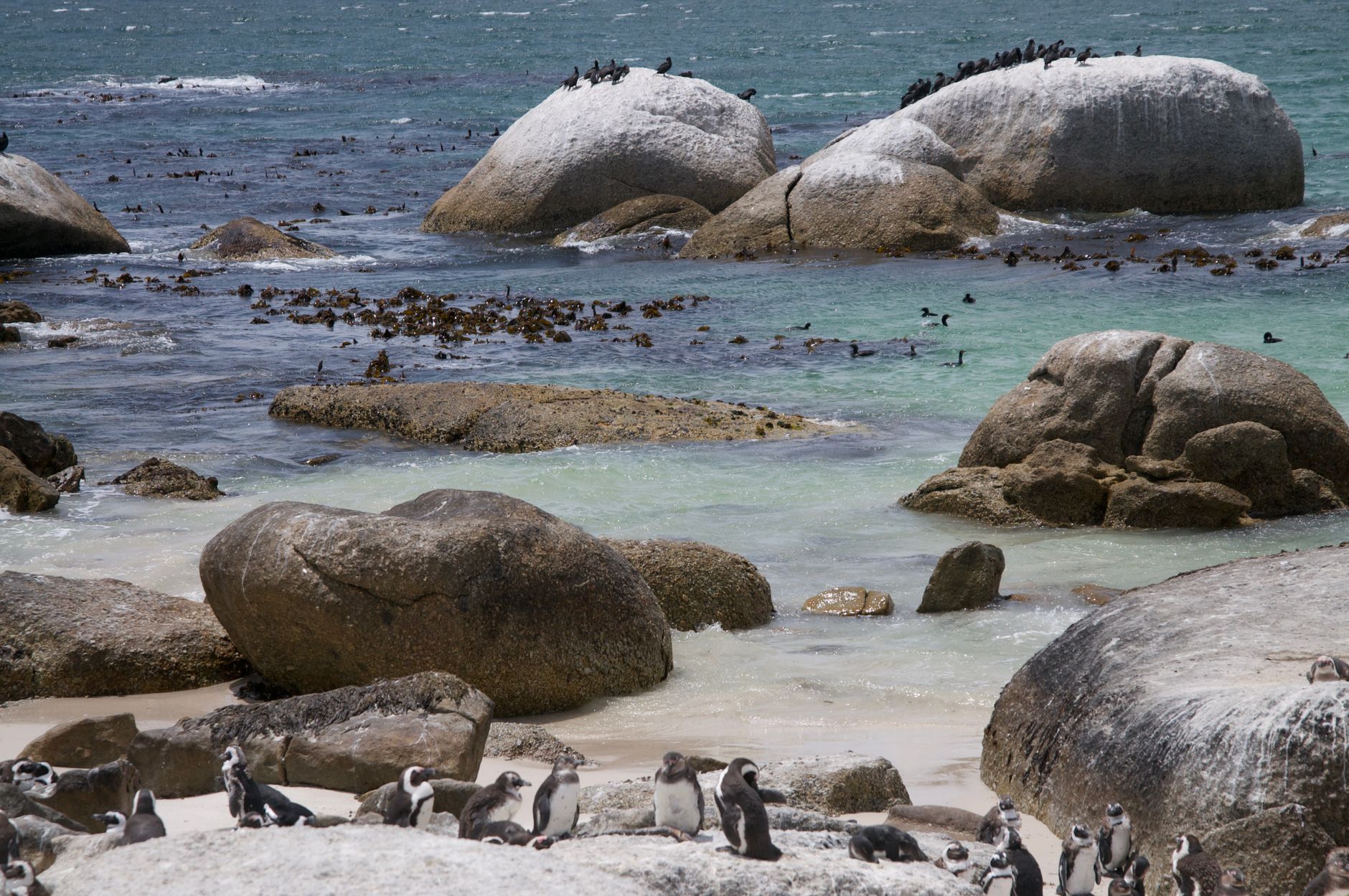
In March 2024, a research team led by wildlife veterinarian Dr. Ralph Vanstreels arrived at the Danger Islands, a group of islands off the Antarctic Peninsula, to investigate a surge of dead Adélie penguins. The expedition quickly uncovered more than 537 carcasses on a landing ramp roughly the size of an airport runway, and estimated that thousands of additional birds had perished across the two mega‑colonies that inhabit the islands.
Initial suspicion focused on bird flu
At the time, the scientific community was on high alert for highly pathogenic avian influenza (H5N1), which had recently reached mainland Australia after years of absence. The virus had also been detected in Antarctica in late 2023 and early 2024, prompting Vanstreels and his crew to gear up for a bird‑flu investigation. Wearing double gloves, coveralls, masks and goggles, the team collected tissue samples from the freshly deceased penguins and processed them in a miniature laboratory aboard their vessel.
Preliminary laboratory results showed the presence of H5N1, but at low viral loads. “There is bird flu here, but the virus loads are low,” Vanstreels recalled, noting that the low levels were puzzling given the rapid and extensive mortality.
Microscopic analysis revealed a bacterial culprit
Further analysis conducted months later in the Netherlands identified abundant bacteria in the penguin tissues. The bacteria were responsible for avian cholera, a disease distinct from the human form of cholera and known to cause mass die‑offs in bird populations, especially in cold environments where the pathogen thrives. The findings were published in October in the journal Proceedings of the Royal Society B.
Avian cholera is not considered a major threat to human health because the strains that infect birds differ from those that affect mammals. Vanstreels emphasized that “the risk for human infection is not really that high when you see an outbreak on birds,” though the disease continues to kill birds worldwide.
Broader implications for disease monitoring
The incident underscores the difficulty of tracking pathogens in remote regions such as Antarctica. While bird flu dominated headlines, the discovery of avian cholera demonstrates that other diseases can emerge or re‑emerge unnoticed. Researchers suggest that avian cholera may have been introduced to Antarctica decades ago, possibly via researchers transporting poultry, and that similar die‑offs could be occurring regularly without detection.
Scientists also note the genetic similarity between the Antarctic strain and a strain found on Île Amsterdam in the Southern Indian Ocean, highlighting the interconnectedness of global wildlife disease pathways. “Antarctica is way more connected to the rest of the world than we think it is,” said Dr. Amandine Gamble of Cornell University.
International collaboration is essential for monitoring such outbreaks. The Antarctic Treaty, signed by 58 parties including the United States, France, Japan and Russia, designates the continent as a zone of peace and science, enabling joint research on pathogen surveillance. As Vanstreels concluded, “Yes, there is a big thing with bird flu. But we still want to keep checking for the other diseases because they might be mixing up in the middle.”
The discovery of avian cholera as the cause of the mass penguin mortality provides a cautionary example of how assumptions can misdirect response efforts, and it reinforces the need for comprehensive disease testing in wildlife populations worldwide.

Mitchell Landsberg is a Senior Technology Correspondent at News Raise. He covers consumer electronics, artificial intelligence, software developments, and digital privacy trends.