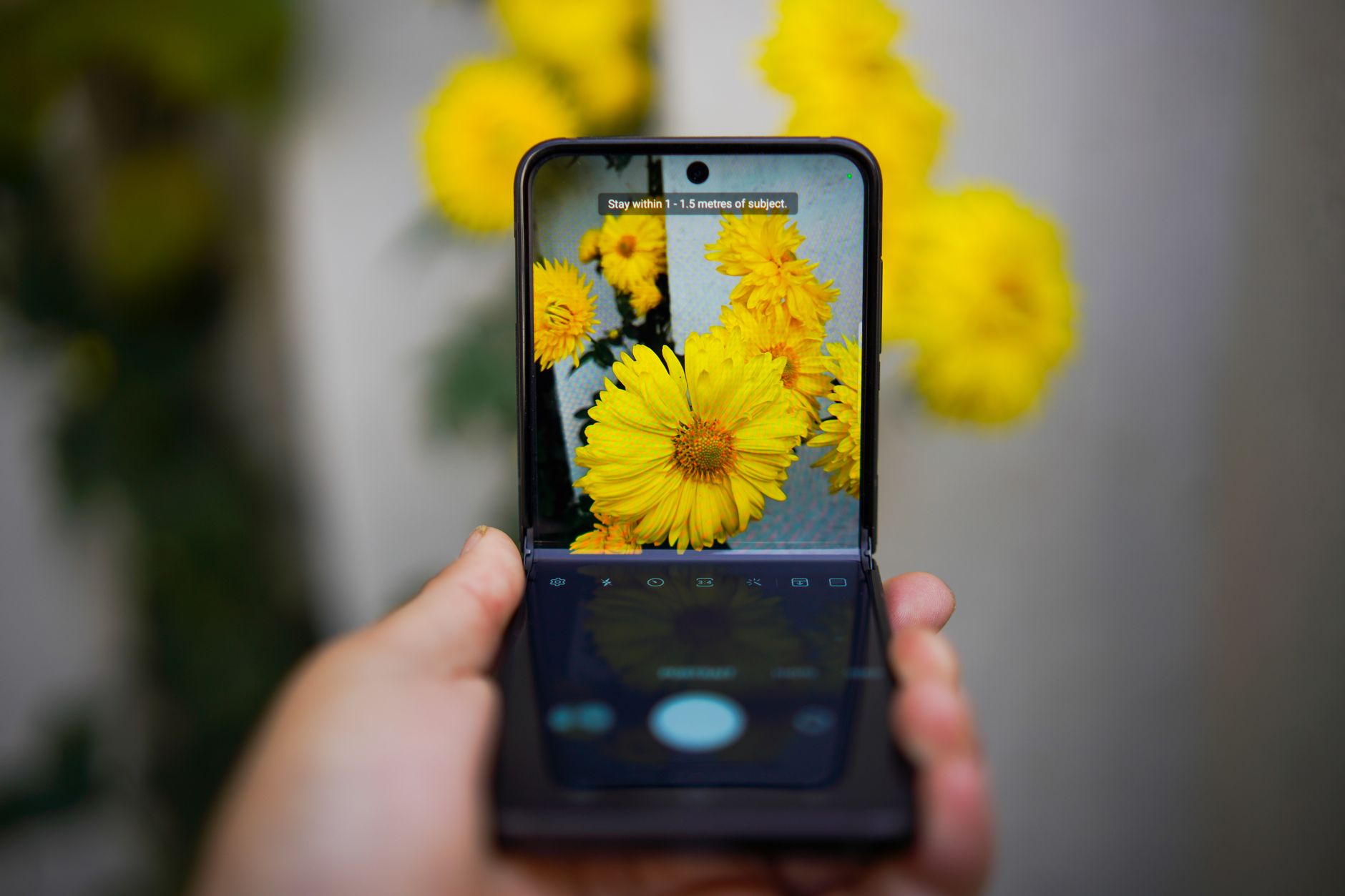
A technology reporter took Apple’s new iPhone Duo on a five‑day vacation, bringing an iPhone 17 Pro Max as a safety net. The experience, which began with doubts about price, size and unfamiliar gestures, ended with the writer saying they did not want to return to the larger phone.
Durability and Pocketability
Despite its short, squat form factor, the Duo proved surprisingly robust. The author carried the device in both front and back pockets, even while wearing a case, and the phone survived multiple accidental drops. It was knocked off a table three times – onto concrete, tile and wood – and sat on repeatedly, yet the screen remained uncracked and the hardware intact. Those informal drop tests offered reassurance for anyone who, like the reporter, tends to be clumsy with a phone.
Software and App Compatibility
Software quirks were the most frequent source of frustration. The Duo’s outer screen is smaller than the iPhone 17 Pro Max, requiring extra scrolling to read text threads. Several unoptimized apps hid key functions behind a three‑dot “more” menu, and the Google Search app froze repeatedly when its AI Mode launched automatically. The workaround was to force‑close the app and reopen it to the home screen.
Many popular apps had not yet been redesigned for the Duo at launch, resulting in a black bar on the side of the display when the phone was folded. While the visual impact was noticeable, the reviewer found it more of an aesthetic nuisance than a functional blocker. Google Maps, for example, was not Duo‑optimized but still delivered reliable navigation, directions and local search.
Camera, Biometrics and Overall Appeal
The Duo’s camera system differs markedly from the iPhone 17 Pro Max. It offers two rear lenses, lacks a telephoto option and provides a 10× digital zoom compared with the Pro Max’s 40×. Low‑light performance and advanced features such as ProRAW and ProRes are absent. For casual users who share photos on social media, the reporter judged the camera “okay” but noted occasional over‑processing of fine details and flatter rendering of distant landscapes.
Perhaps the most cited drawback is the return to Touch ID. The Duo does not include Face ID, and the author found unlocking the phone and authenticating Apple Pay with a thumb more cumbersome, especially when juggling bags, a leash and other items. Although an Apple Watch provided an alternative unlocking method, the need to keep the thumb on the sensor long enough caused repeated misreads at checkout.
Despite these issues, the novelty of Apple’s first foldable device left a strong impression. The Duo’s barely visible crease, consistent aspect ratio between screens and the optional Duo Folio case with a kickstand make it an appealing platform for media consumption and for developers experimenting with new app formats. The reviewer, who initially calculated how to afford the roughly $2,000 price tag, concluded that the foldable’s whimsical design and solid build outweighed the early‑stage software and hardware limitations.
Looking ahead, the author expects more apps to receive Duo‑specific updates and anticipates a future version that may reintroduce Face ID. Until then, the iPhone Duo stands as a durable, pocket‑friendly experiment that can win over even skeptical early adopters.

Norman Pearlstine is the Executive Editor and Co-Founder at News Raise. With over two decades of experience across financial journalism, corporate governance, and market analysis, Norman leads the editorial direction and ensures strict adherence to journalistic accuracy and ethics.