Patients at roughly 200 GP surgeries across England will soon be able to take part in a trial of new blood tests that can screen for several cancers at once. The government‑funded study, led by the University of Birmingham, will evaluate whether these multi‑cancer tests are accurate enough for broader NHS deployment.
Trial design and eligibility
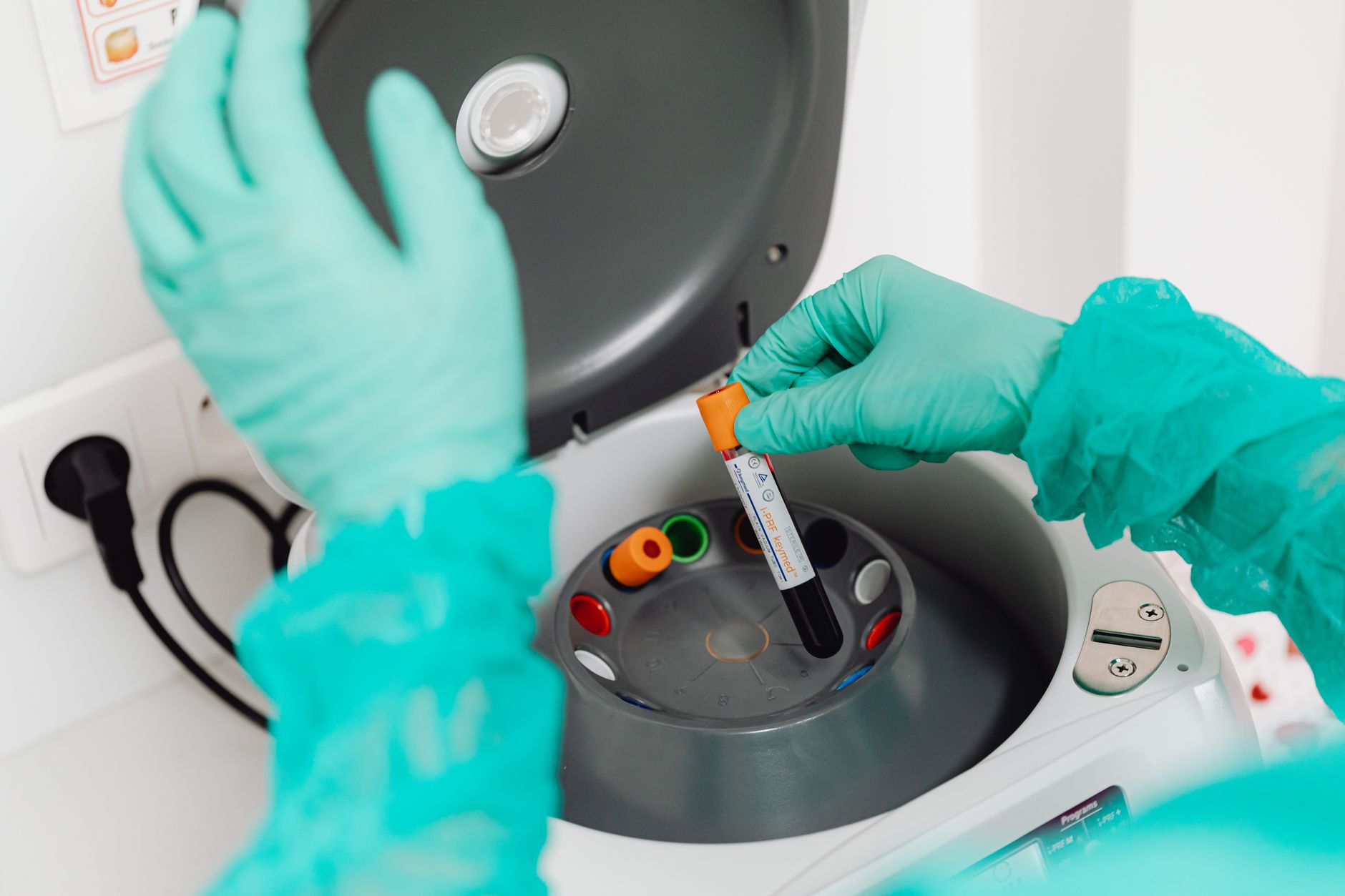
The pilot will focus on abdominal cancers that are traditionally difficult to diagnose early, including liver, ovarian, pancreatic, stomach and bowel cancers. More than 20,000 adults aged 45 or older who present with vague symptoms such as persistent abdominal pain or bloating will be eligible. Participants will provide one or two tubes of blood during a routine GP visit. Laboratory scientists will then analyse the samples for cancer‑associated proteins or fragments of DNA, looking for molecular signals that could indicate the presence of a tumour.
If a cancer signal is detected, the test may also suggest the likely location of the tumour within the body, potentially guiding further diagnostic imaging or specialist referral. However, trial officials stress that a positive result does not guarantee cancer, and a negative result does not provide an absolute all‑clear.
Potential impact and expert views
Prof Peter Johnson, NHS England’s national clinical director for cancer, highlighted that early detection of abdominal cancers is “notoriously difficult” because symptoms often mimic less serious conditions. Earlier diagnosis, he noted, substantially improves the odds of successful treatment and survival.
Health Secretary Yvette Cooper expressed optimism that simple blood‑based tools could help clinicians identify patients who need urgent investigation more quickly. Michelle Mitchell of Cancer Research UK added that GPs have long required better diagnostic aids to navigate uncertainty, and the trial represents an important step toward meeting that need.
Annually, about 71,000 people in England are diagnosed with pancreatic, stomach, liver, ovarian or bowel cancer, and nearly 35,000 die from these diseases. By detecting tumours before they have spread, the multi‑cancer test could potentially reduce mortality and lessen the burden on specialist services.
Limitations and expectations
While the trial aims to demonstrate clinical utility, researchers acknowledge that the technology is not yet proven for routine use. The study will assess both the sensitivity (ability to correctly identify cancer) and specificity (ability to correctly rule out non‑cancer) of the blood tests. The outcomes will determine whether the tests meet the standards required for NHS adoption.
Patients taking part will receive their results alongside standard care pathways, and any positive findings will be followed up with appropriate imaging or specialist referral. The trial’s findings are expected to be published after the recruitment phase concludes, providing evidence for policymakers on whether to roll out the tests more widely across primary care.

Helene Elliott is the Lead Science & Space Reporter at News Raise. She reports on aerospace missions, astrophysics discoveries, quantum research, and environmental technology.