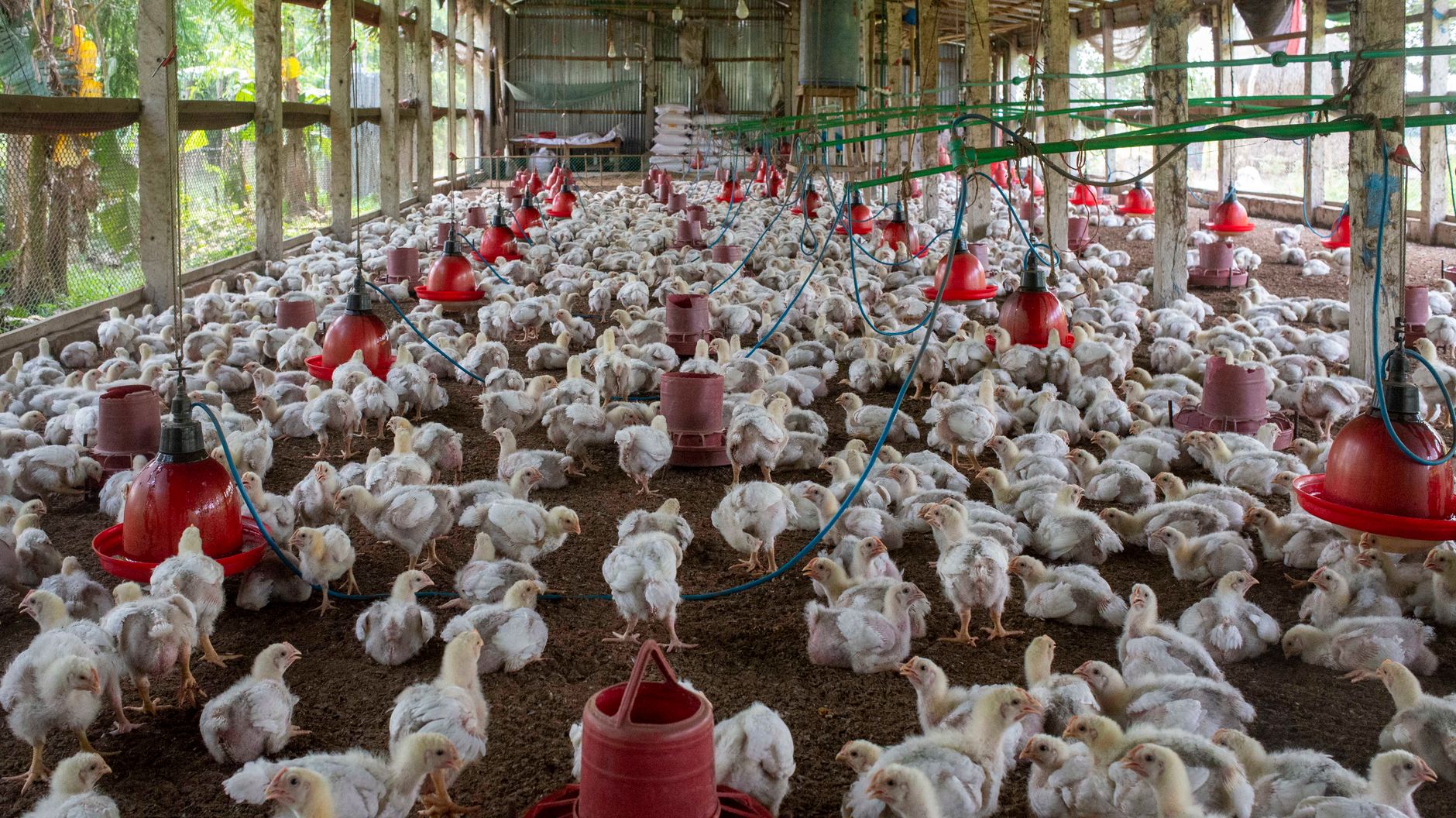
Washington State agriculture officials announced that highly pathogenic avian influenza (HPAI), commonly known as bird flu, has been identified at a commercial poultry facility in Pierce County. This marks the first detection of the virus in a Washington poultry operation for the current year.
Detection and Immediate Response
The affected farm has been placed under quarantine, and disease‑control measures are already in progress. All eggs produced by the infected birds are being destroyed to prevent any entry into the food supply. State officials emphasized that chicken and eggs from other farms remain safe for consumption.
Under Washington law, the specific farm name will not be disclosed, as the statute protects the identity of agricultural operations during emergencies. The department noted that HPAI continues to circulate among both wild and domestic birds in the state, with documented detections dating back to 2022.
Earlier in October, the department confirmed the virus in three backyard flocks located in Yakima and Kittitas counties after those flocks were exposed to migratory waterfowl. The Washington Department of Fish and Wildlife has also reported a rise in deaths among wild migratory birds, a trend that can signal heightened risk to domestic poultry.
Public Health Measures
No human cases have been identified at the Pierce County facility. Nevertheless, public‑health agencies are proactively contacting workers who may have been exposed to infected birds, other animals, or contaminated environments. Those contacts will receive information about exposure risk, potential medication, and symptom monitoring to ensure prompt testing and treatment if needed.
“Our main focus in public health is preventing workers from becoming infected and coordinating testing and treatment if any workers develop symptoms,” said Tacoma‑Pierce County Health Officer Dr. James “Jay” Miller.
State health officials also advise the general public to avoid handling wild birds or other animals, even if they appear healthy. Anyone with job‑related exposure to sick birds should use appropriate protective equipment, according to Washington State Veterinarian Dr. Amber Itle.
Guidance for Poultry Owners
Owners of flocks located within a six‑mile radius of the detection are placed in a surveillance zone. They are encouraged to report flock health through the state’s online reporting tool and to consult the surveillance map for updates.
Dr. Itle recommended several preventative steps: keep birds in enclosed coops or covered runs, separate poultry from other domestic birds and wild waterfowl, store feed in sealed containers, and limit visitor access to the birds. If sudden illness or multiple deaths occur, owners should call the state’s Sick Bird Hotline at 800‑606‑3056 or use the online tool.
When dead birds are found, owners should double‑bag them, place them in a cooler with ice, and await state sampling. Scavengers must be kept away from carcasses, and dead wild birds should not be touched; instead, they should be reported via the Fish and Wildlife Department’s online system.
For additional information on health risks and preventive measures, the Washington State Department of Health provides resources on its website.

Helene Elliott is the Lead Science & Space Reporter at News Raise. She reports on aerospace missions, astrophysics discoveries, quantum research, and environmental technology.