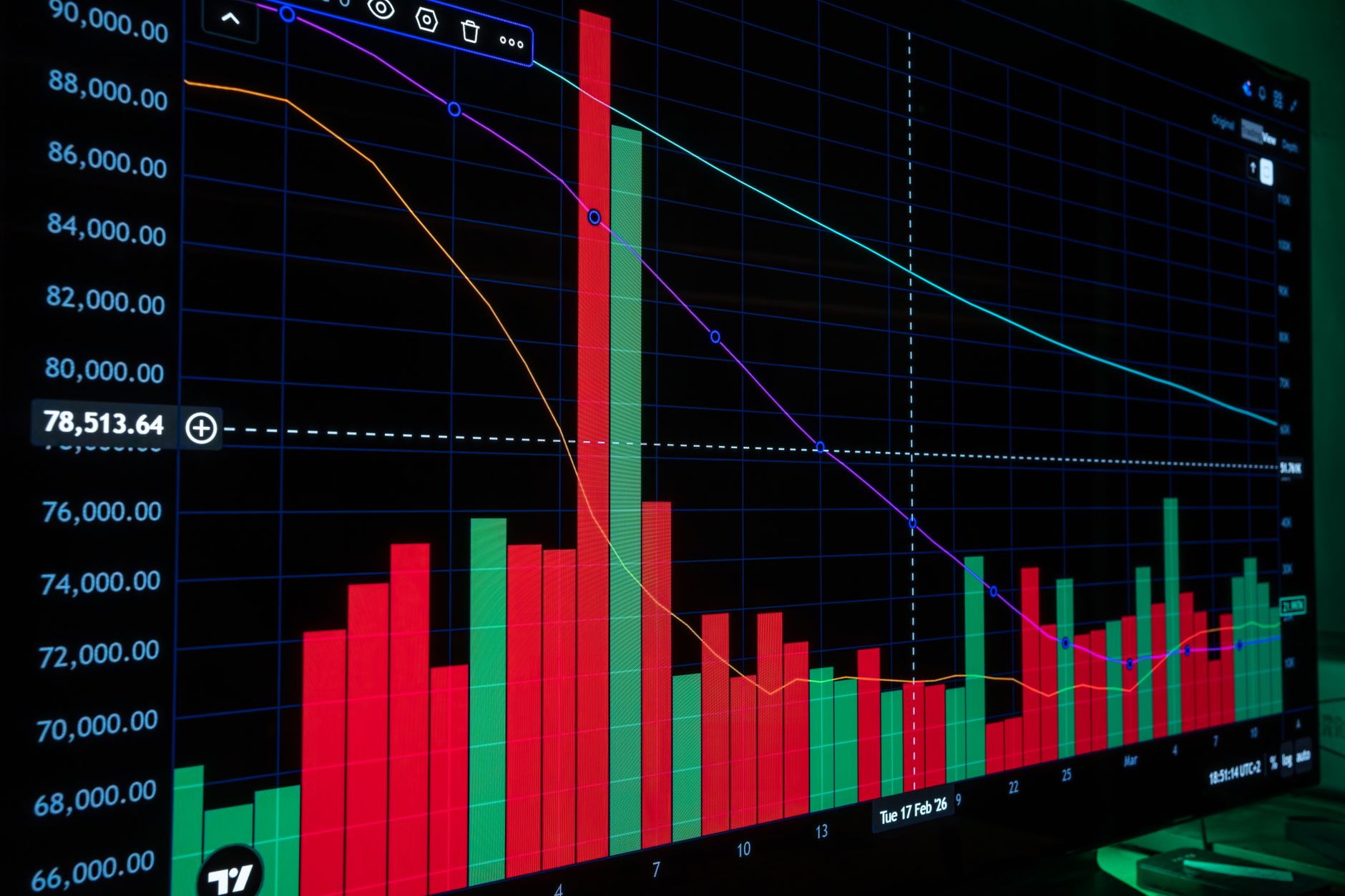
Wall Street experienced an unprecedented swing in the week of the U.S. midterm elections, moving from a celebratory rally on Wednesday to a sharp decline on Thursday. The shift reflected both the immediate market reaction to Democratic victories in the House and Senate and emerging policy signals that could affect the technology sector.
Wednesday’s rally: Democrats win, markets cheer
When election results showed Democrats sweeping both chambers of Congress, investors responded with optimism. The Dow Jones Industrial Average jumped more than 1,500 points, a gain of roughly 3 percent, marking its strongest single‑day rise in months. The S&P 500 rose nearly 2 percent, while the Nasdaq Composite added about 1.4 percent. Analysts linked the rally to expectations that a divided government would temper President Trump’s agenda, easing policy uncertainty that had weighed on equities.
Oil futures also fell, helping to lower inflation concerns. The reduced uncertainty drove the CBOE Volatility Index (VIX) down sharply, a move that volatility‑sensitive trading strategies interpreted as a green light to buy equities, further fueling the upward momentum.
Thursday’s pullback: Tech stocks tumble, VIX spikes
Within 24 hours, the market reversed course. By Thursday, investors were shedding positions in artificial‑intelligence winners and semiconductor firms, pushing the tech‑heavy Nasdaq into correction territory. The broader market indices slipped, and futures were down roughly 1 percent by the end of the trading day. The VIX surged to its highest level since the late‑March deadline extension for the Iran war, signaling renewed fear of volatility.
Steve Sosnick, chief strategist at Interactive Brokers, described his experience watching the reversal. He said he toggled between CNN, Fox, MSNBC and Bloomberg as futures fell, and noted that when he went to bed, the futures were still down about 1 percent.
Policy factors behind the volatility
Beyond the immediate election outcome, market participants flagged a specific policy development that could curb the United States’ artificial‑intelligence investment boom. Several newly elected governors have pledged to pause or stop new data‑center construction, a move that could affect an estimated 45 percent of planned U.S. data‑center capacity, according to Goldman Sachs.
Texas, which accounts for more than half of the country’s projected data‑center build‑out, was a focal point. Democrat Gina Hinojosa, who won the gubernatorial race, promised a moratorium on new data‑center approvals. The prospect of a slowdown in data‑center growth raised concerns for companies that rely on such infrastructure to power AI workloads.
Elon Musk, who frequently comments on market trends, posted on X early Wednesday that “Data centers in space look pretty appealing right now,” highlighting the heightened attention the issue received from high‑profile tech leaders.
The combination of a newly secured Democratic majority, potential regulatory headwinds for AI‑related infrastructure, and a sharp rise in the VIX created a volatile environment that saw Wall Street swing dramatically in a single day. The episode underscores how quickly market sentiment can pivot when political outcomes intersect with sector‑specific policy expectations.

Helene Elliott is the Lead Science & Space Reporter at News Raise. She reports on aerospace missions, astrophysics discoveries, quantum research, and environmental technology.