Jensen Huang, the chief executive officer and co‑founder of Nvidia, the leading chip maker, has publicly acknowledged that he was the target of a honey‑trap operation allegedly orchestrated by a suspected Chinese intelligence operative. The admission, made yesterday, has ignited a flurry of discussion across financial circles and social‑media platforms.
Potential Market Implications
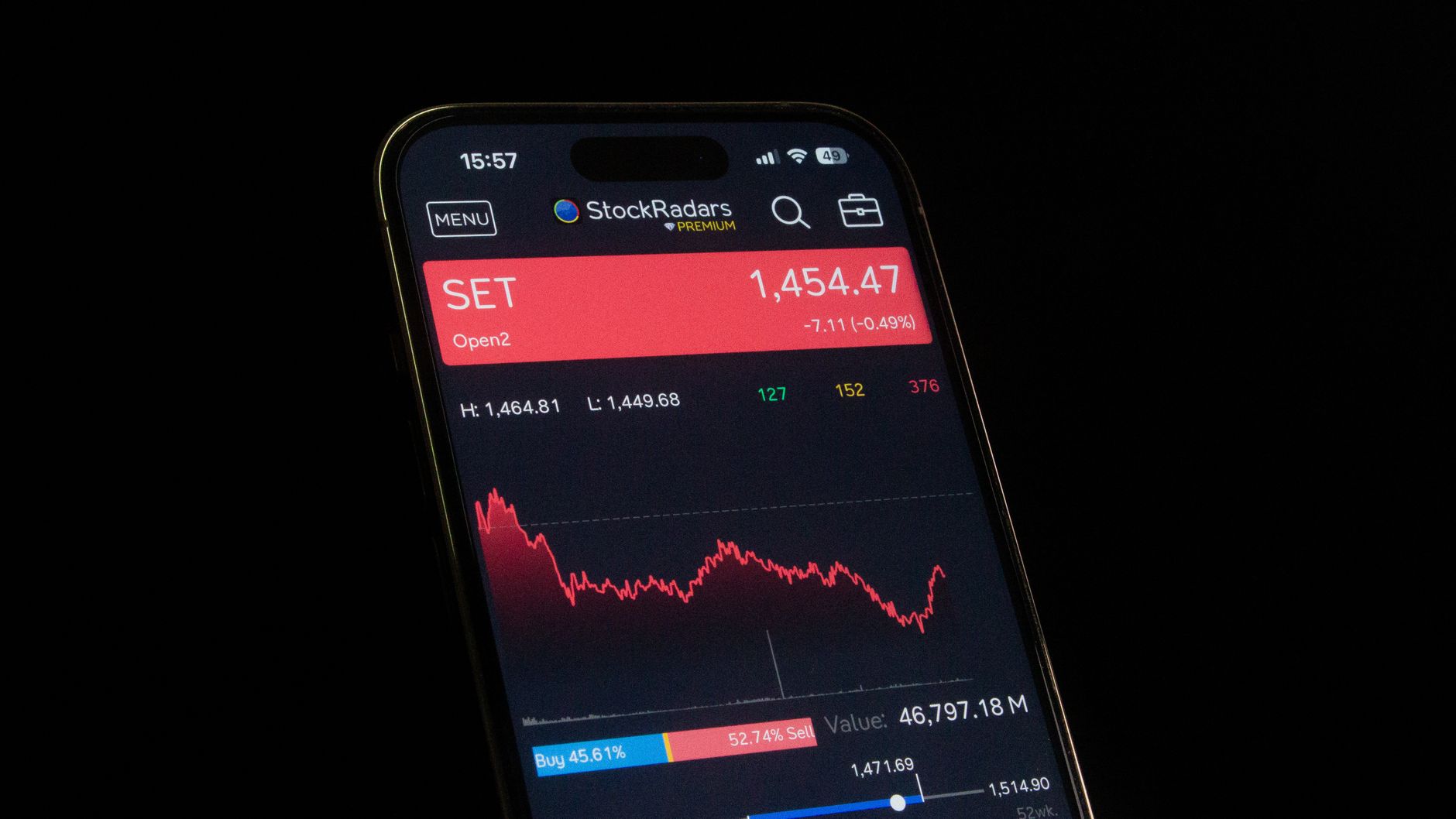
Nvidia occupies a dominant position in the U.S. stock market, and its technology underpins a broad ecosystem of artificial‑intelligence startups. Analysts note that any domestic turbulence at the company’s helm could translate into a market risk, given the extent to which AI ventures rely on Nvidia chips for development and deployment. The firm has not disclosed a formal succession plan, leaving investors uncertain about who would assume leadership should Huang step down.
While the long‑term effect on Nvidia’s share price remains to be seen, the situation underscores how personal controversies can intersect with corporate stability, especially for a company that is a critical infrastructure provider for the rapidly expanding AI sector.
Online Reaction and AI‑Generated Content
The revelation has quickly become a focal point for internet users, who are generating and sharing a large volume of AI‑manipulated images and videos. Copyleaks, a firm that monitors digital content for artificial‑intelligence alterations, reported on Monday an “explosion” in AI‑edited photos and clips featuring Huang and a person identified as Alice Huang. The company counted at least 70 AI‑related posts on the social‑media platform X, which together had accumulated roughly 8.42 million views and 64,362 engagements as of that morning. Those figures are expected to have risen since.
Among the most widely circulated creations are memes that reference the 2009 film “500 Days of Summer,” jokes about divorce lawyers, and an AI‑generated adaptation of Usher’s music video “Confessions Pt. II,” a track that deals with themes of infidelity. Another viral piece reimagines a Coldplay concert, inserting a startup CEO hugging a colleague on the Jumbotron, further illustrating the blend of pop culture and corporate drama.
Commentators observe that the surge of AI‑driven content reflects both the technical capabilities of Nvidia’s own hardware and the public’s appetite for humor in the face of scandal. The meme ecosystem is also being used as a testing ground for AI image generation tools that rely on Nvidia processors, adding an extra layer of relevance to the discussion.
Overall, the episode highlights how a personal controversy involving a high‑profile tech leader can ripple outward, affecting market perceptions, prompting scrutiny of corporate governance, and fueling a prolific wave of user‑generated, AI‑enhanced media. As the story continues to develop, both investors and observers will be watching to see how Nvidia navigates the combined pressures of financial risk and cultural notoriety.

Helene Elliott is the Lead Science & Space Reporter at News Raise. She reports on aerospace missions, astrophysics discoveries, quantum research, and environmental technology.