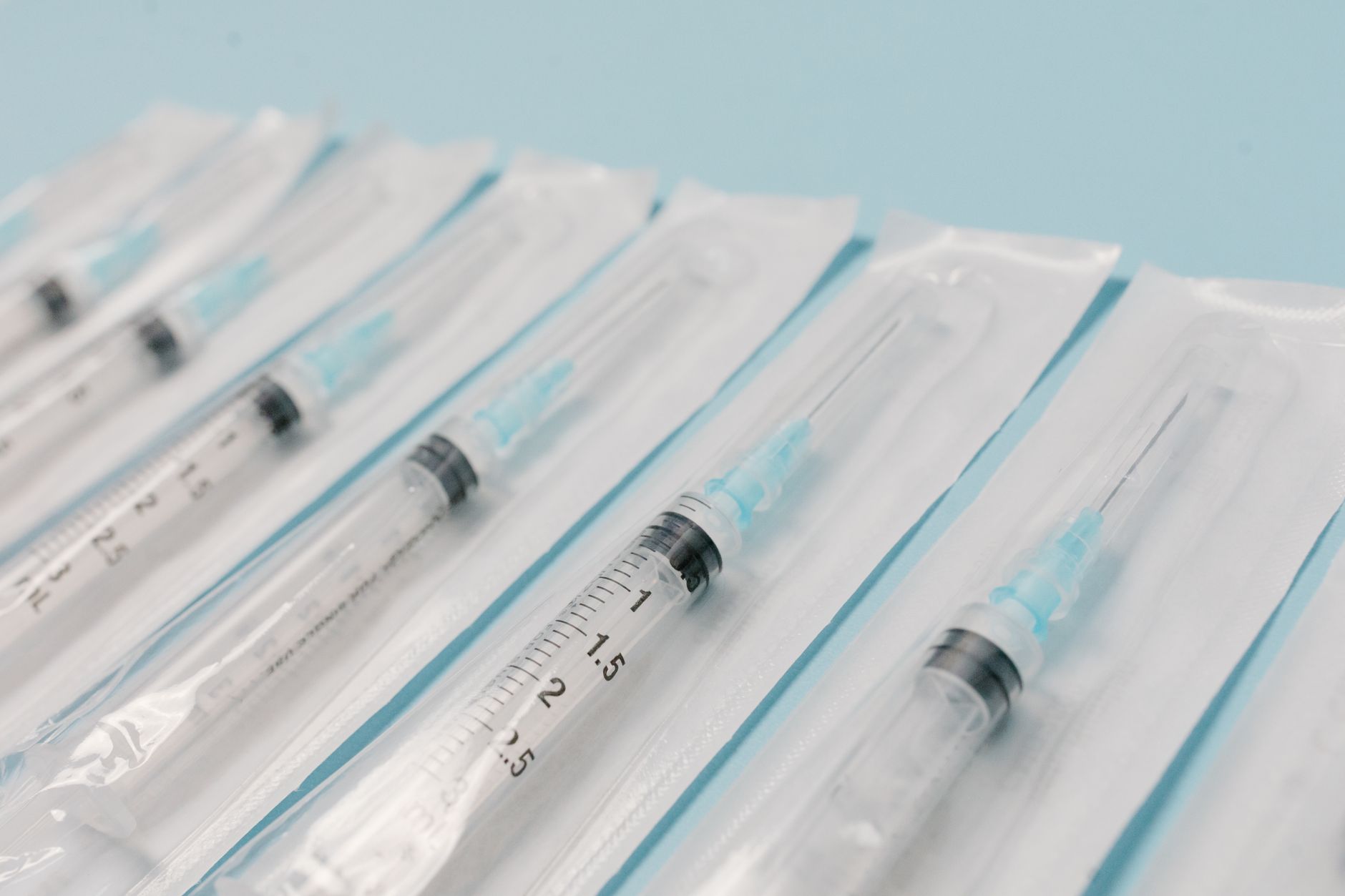
Researchers analyzing medical records for more than 11 million newborns between 2017 and 2025 found that the proportion of infants receiving the routine vitamin K injection fell from 97.7% to 95%. During the same interval, cases of vitamin‑K‑deficiency (VKD) rose 216% and vitamin‑K‑deficiency bleeding (VKDB) surged 347%, according to a study published in JAMA Pediatrics and conducted by Virginia Commonwealth University (VCU).
Study scope and key findings
The retrospective analysis tracked vaccination‑like administration of vitamin K, a single‑dose injection given at birth since 1961 to prevent bleeding disorders. Lead author Dr. Elizabeth Wolf, a pediatrician at Children’s Hospital of Richmond at VCU, explained that the team set out to determine whether the growing trend of parental refusal was translating into measurable health outcomes. “We knew from prior studies that vitamin K refusal had been increasing in the U.S., and we wanted to learn if there were any real‑life consequences of this trend,” Wolf said in a university press release. The data showed a clear association: as the uptake of the shot slipped by roughly 2.7 percentage points, the incidence of VKDB more than tripled.
Among infants identified with vitamin‑K deficiency, 7% experienced intracranial or intracerebral hemorrhage. For those with documented VKDB, the rate of brain bleeding was 2%. Both conditions carry substantial risk of seizures, permanent brain injury, or death.
Why newborns need vitamin K
The Centers for Disease Control and Prevention (CDC) notes that newborns are born with very low vitamin K levels because the nutrient crosses the placenta only minimally, breast milk supplies only trace amounts, and an infant’s gut flora—responsible for synthesizing vitamin K—has not yet matured. Without the prophylactic injection, infants can develop bruising and bleeding at the umbilicus within the first week of life. After the first week, vitamin‑K deficiency is linked to a 30%‑60% chance of intracranial hemorrhage, a serious complication that can lead to long‑term neurological damage.
Public‑health implications and expert commentary
Dr. Wolf likened the pattern to recent measles outbreaks, suggesting that both reflect a broader erosion of trust in medical and public‑health institutions. “Similar to the recent measles outbreaks, we are seeing the real‑world implications of growing mistrust of doctors and public health professionals. We need clear messaging from all levels of public health about the benefits of vitamin K administration for newborns,” she said.
The study authors caution that if the current trajectory of vitamin K refusal continues, the rates of deficiency and bleeding could climb further. They recommend additional research into the motivations behind parental refusal and the development of targeted communication strategies to improve acceptance of the injection.
While the decline in vaccination‑like coverage appears modest, the associated rise in severe bleeding events underscores the importance of maintaining high uptake of this century‑old preventive measure. Health officials and pediatric providers are urged to reaffirm the safety and necessity of the vitamin K shot during prenatal counseling and immediately after birth.

Steve Lopez is a Senior Editorial Columnist and Health & Public Policy reporter for News Raise. Steve focuses on healthcare advancements, medical technologies, and public health policies.