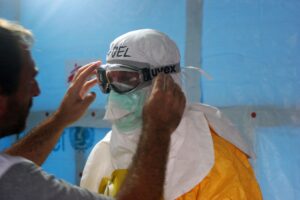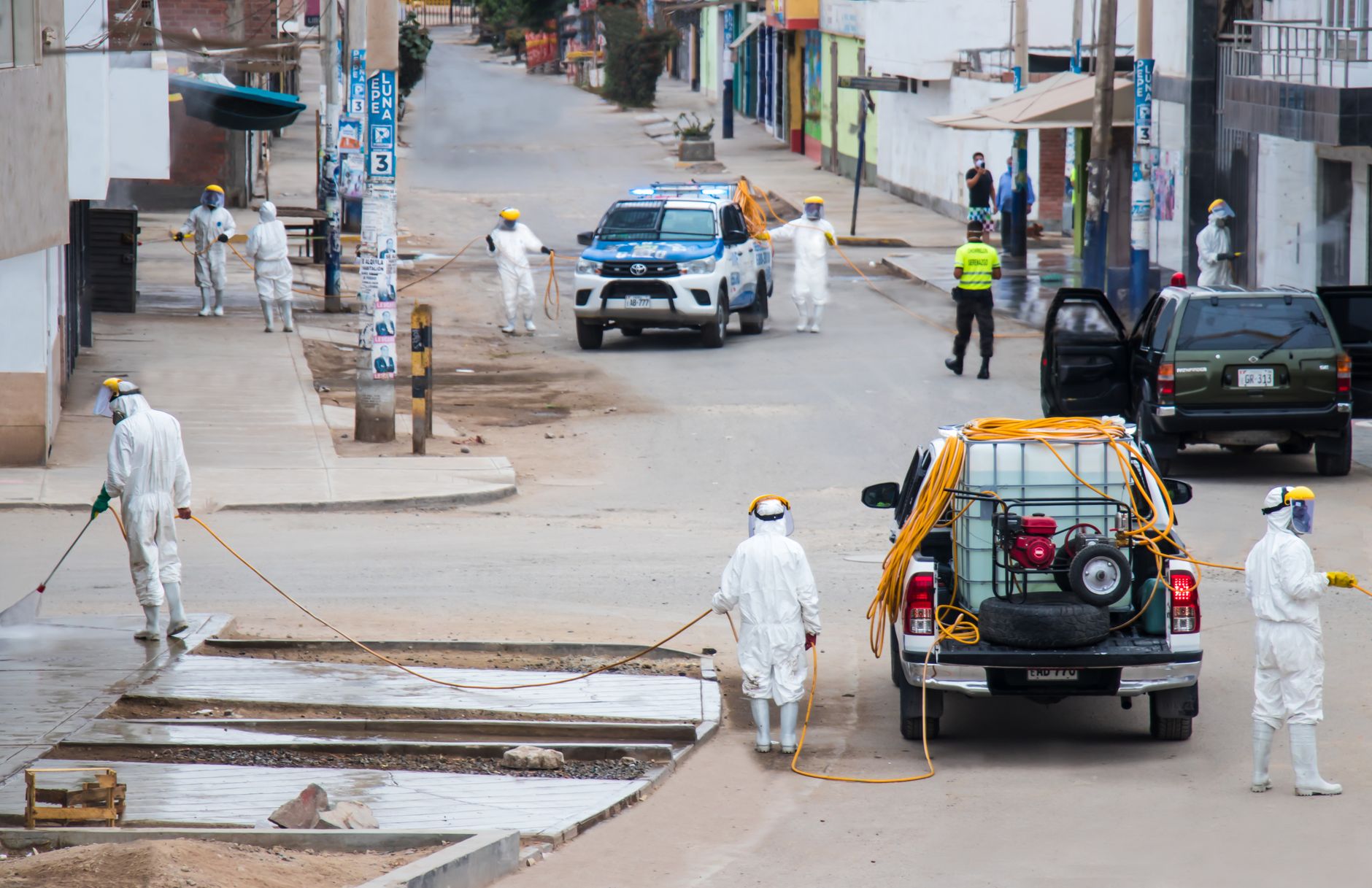
In a remote Congolese town the scale of the Ebola crisis is starkly visible: bodies are being piled one atop another on makeshift racks erected beside the hospital gate. The town’s main cemetery has reached capacity, forcing families to dig fresh graves between palm trees along the roadside. Scarcity of medicine, intravenous fluids and even basic protective gear has left three‑quarters of patients in the besieged community succumbing to the disease.
Escalating Death Toll and Resource Shortages
Six months after the outbreak was first identified in May, the epidemic continues to carve a deadly path across eastern Democratic Republic of Congo. Early reports described the situation as a single, massive blaze concentrated in a few towns within one province. Today, the virus has spread to eight provinces, fragmenting into numerous hot spots that blanket an area roughly the size of Britain.
Health workers have managed to contain the virus in the original epicenter, but infections are soaring elsewhere. The lack of essential supplies—medicine, IVs and protective equipment—has turned the disease into a near‑uncontrollable force in many locations, with mortality rates soaring to 75 percent in the most affected towns.
Geographic Spread and Emerging Hotspots
Among the newly afflicted areas, the small town of Biakato, deep within the rainforest, has become a focal point of concern. At one point, Biakato accounted for as much as one‑quarter of all new Ebola cases reported nationally. Residents there have been left largely on their own, with “dangerously little” means to defend themselves against what officials describe as the fastest‑growing Ebola outbreak in history.
Dr. Jean‑Jacques Muyembe, a veteran virologist who helped discover Ebola in 1976 and now leads Congo’s National Institute for Biomedical Research, warned that the response is repeating past mistakes. “It’s as if we were starting from zero. It’s very disappointing,” he said, underscoring the frustration felt by health officials as the epidemic expands beyond the zones where early containment succeeded.
Emerging Security Threat Complicates Response
Compounding the public‑health emergency, the campaign to contain Ebola now faces a new and unsettling challenge: the presence of the Islamic State. While details are sparse, the mention of this group signals a potential security dimension that could further hinder humanitarian access and the delivery of life‑saving interventions.
The convergence of a rapidly spreading viral outbreak, overwhelming mortality, depleted medical resources and an emerging militant threat paints a grim picture for eastern DRC. Communities are grappling with the immediate horror of stacked bodies and full cemeteries, while health officials scramble to secure supplies, protect workers and prevent the virus from igniting new clusters across the rainforest’s vast expanse.
As the epidemic continues to evolve, the international response will need to address both the biomedical and security aspects of the crisis. Without a coordinated effort to replenish medical stocks, protect health workers and mitigate the influence of armed groups, the outlook for the affected provinces remains precarious.

Helene Elliott is the Lead Science & Space Reporter at News Raise. She reports on aerospace missions, astrophysics discoveries, quantum research, and environmental technology.