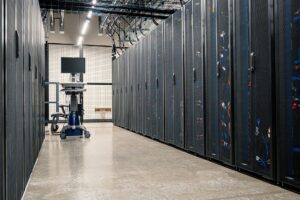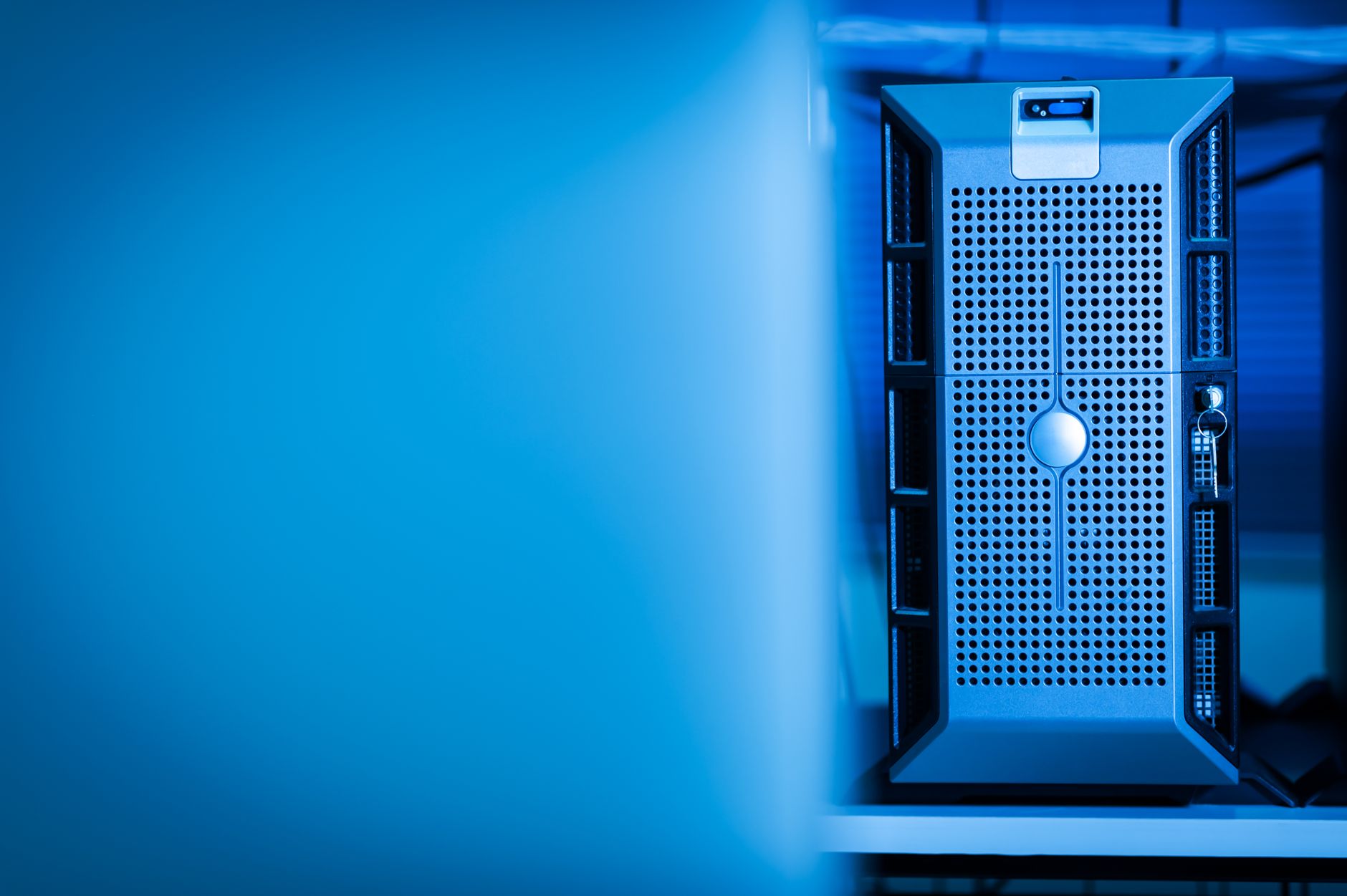
Bloomberg reported on November 27 that restricted Nvidia Blackwell artificial‑intelligence hardware was located in a data center in Shanghai. The equipment, identified as GB300 NVL72 and GB200 systems, was linked to a Chinese entity run by Alice Huang, the founder of the recently blacklisted firm Megaspeed. One of the systems had been pledged as collateral for a $14 million loan, underscoring its commercial value.
Export‑Control Risks Intensify
Blackwell chips are subject to U.S. government authorization before they can be exported to China. The discovery of the hardware in a Chinese data center comes as Washington prepares to tighten end‑use checks on advanced AI components. Analysts noted that each documented leak could trigger stricter compliance requirements for distributors and customers, raising costs across the supply chain.
In a separate statement, Nvidia CEO Jensen Huang had previously remarked that the fully equipped GB300 rack, weighing roughly 3,300 pounds, was “too big to smuggle.” Bloomberg has not determined how the hardware entered China, but the size of the equipment suggests logistical challenges that may have been overlooked.
Financial Impact and Market Response
Despite the regulatory spotlight, China contributed $11.05 billion to Nvidia’s third‑quarter revenue, accounting for a sizable share of the company’s earnings. Three of Nvidia’s customers together represented 14 percent, 11 percent and another 11 percent of that quarter’s revenue, while $390 billion in supply commitments remain fixed even if new regulations slow future purchases.
On the day of the Bloomberg report, Nvidia shares were trading at $147.13, down 1.45 percent intraday and 31.88 percent over the preceding month. The stock’s recent performance follows a third‑quarter revenue of $115.84 billion, which surpassed the consensus estimate of $108.73 billion. Management projected fourth‑quarter revenue of $130.0 billion, plus or minus 3 percent, and raised its fiscal‑2028 growth outlook to roughly 75 percent. Analysts continue to rate the stock with 59 buy recommendations.
Prediction markets assign only a 20 percent chance that Blackwell sales will receive approval for China by 2027, reflecting investor uncertainty around the evolving export regime. Jensen Huang is scheduled to testify before the Senate on December 3, a hearing that is expected to focus on the broader implications of AI‑related export controls.
Industry Outlook
Regulators and industry observers are watching the situation closely. Kress, a spokesperson for an industry group, said the new rules would be studied “to understand the different pieces of them,” indicating that compliance frameworks are still being defined. The combination of heightened scrutiny, the blacklisting of Megaspeed, and the physical presence of Blackwell hardware in China could shape the trajectory of Nvidia’s AI hardware business in the region for years to come.
Stakeholders will be monitoring whether additional leaks emerge, how U.S. authorities respond, and whether Nvidia can sustain its Chinese revenue stream amid a tightening regulatory environment.

Mitchell Landsberg is a Senior Technology Correspondent at News Raise. He covers consumer electronics, artificial intelligence, software developments, and digital privacy trends.