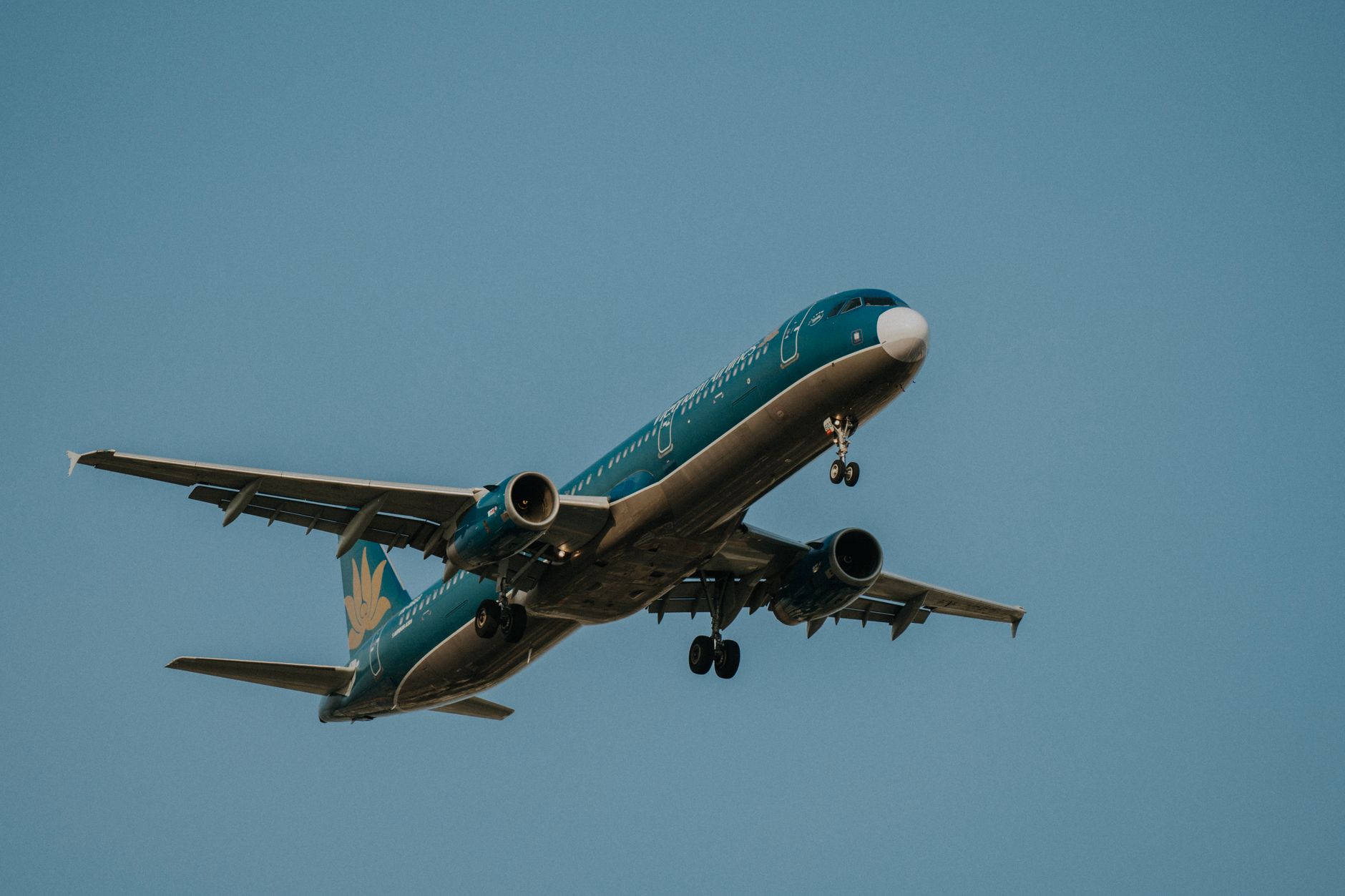
Norwegian long‑haul low‑cost airline Norse Atlantic Airways AS filed for bankruptcy on Friday, ending all scheduled flights and halting ticket sales for its Norwegian operating unit. The court filing in Agder District Court followed a day‑long suspension of operations and a warning issued two days earlier that the carrier’s financial position was “critical”.
Fuel costs trigger collapse
The airline’s board said it could not obtain the short‑term financing needed to keep the carrier flying, and shares fell 85 percent on the Thursday before the filing. Chief executive Eivind Roald told Norway’s public broadcaster NRK that the rapid rise in jet fuel prices was the decisive factor, noting that Norse Atlantic had not hedged any of its fuel purchases. Without hedging, the carrier was fully exposed to spot‑price volatility on routes that consume large quantities of fuel.
Aviation analyst John Strickland told Al Jazeera that the lack of hedging left the airline vulnerable, adding that passenger uncertainty and intense competition on transatlantic routes compounded the financial strain. Roald said the parent company, Norse Atlantic ASA, and its UK subsidiary remain active in seeking a solution for the remaining parts of the business, but the Norwegian unit’s bankruptcy effectively ends its operations.
Operational cuts precede the filing
Operations had been shrinking for months. Since the outbreak of the United States‑Israel war on Iran in late February, Norse Atlantic cancelled more than 700 flights, cut 75 jobs in May in an effort to save $50 million, and dropped its Los Angeles summer schedule in April. The carrier later announced the removal of its New York routes. The final blow came when lessors of its Boeing 787 fleet issued termination notices for all aircraft, a move the airline is contesting but which makes continued operation unlikely.
Broader industry fallout
The Norse Atlantic case adds to a growing list of airlines hit by the conflict‑driven fuel shock. Spirit Airlines ceased operations on May 2 after a $500 million federal rescue fell through, citing fuel price spikes as a key factor. In Europe, Latvia’s airBaltic entered Chapter 11 restructuring in the United States, planning to cut 500‑700 of its roughly 3,000 jobs. Spain’s Volotea entered pre‑insolvency negotiations, attributing about €150 million of costs to higher fuel prices and planning to reduce its fleet from 44 aircraft to 30‑35. Spanish carrier Plus Ultra suspended several South‑American routes, also blaming unprecedented fuel cost increases.
Major carriers have also trimmed capacity. United Airlines announced a 5 percent cut on less profitable routes in March, while European airlines such as KLM and Finnair extended suspensions of flights to Gulf hubs through 2027. The International Air Transport Association (IATA) projects the industry’s fuel bill to rise to roughly $350 billion this year from $252 billion in 2025, pushing fuel’s share of operating costs from about 25 percent to 31.4 percent. IATA expects global airline profits to halve to $23 billion, with net margins slipping to just 2 percent.
According to IATA Director General Willie Walsh, the war‑related disruptions in the Middle East and soaring fuel costs have turned the outlook “worse” for airlines. The surge in jet fuel prices has been dramatic: from about $99 a barrel on February 27, the day before the war began, to $209 in April, easing to around $190 in early October, and exceeding $200 in Europe later in the year. The price increase outpaced crude oil because Gulf refineries, which supplied roughly one‑fifth of global jet fuel, faced export constraints, driving the “crack spread” to record levels.
Higher costs have already been passed on to travelers. U.S. airfares were 23.4 percent higher in August than a year earlier, while the five largest U.S. carriers reported an 18 percent rise in passenger revenue in the third quarter despite traffic growth of less than 1 percent. Budget long‑haul carriers like Norse Atlantic are especially exposed because price‑sensitive passengers are less willing to absorb steep fare increases, limiting the airlines’ ability to maintain profitable load factors.
Middle‑East flag carriers also feel the pressure. Emirates reported a 68 percent drop in half‑year profit before tax to $1 billion for the six months ending September 30, with capacity down 17 percent and passenger traffic falling sharply. The combined impact of the conflict and fuel price spikes signals a challenging environment for airlines across all market segments.

Norman Pearlstine is the Executive Editor and Co-Founder at News Raise. With over two decades of experience across financial journalism, corporate governance, and market analysis, Norman leads the editorial direction and ensures strict adherence to journalistic accuracy and ethics.