In response to dangerously high air pollution levels, the Delhi government has directed all government offices and private establishments to allow 50% of their workforce to work from home, effective December 18.
The move forms part of emergency measures under Stages III and IV of the Graded Response Action Plan (GRAP) aimed at curbing emissions and protecting public health.
Order Issued Under Environment Protection Law
The directive has been issued by the Delhi government’s Environment Department under Section 5 of the Environment (Protection) Act, 1986, making it legally binding across the National Capital Territory. It applies to government departments, autonomous bodies, public sector units, and private organisations operating in Delhi.
According to the order, while senior administrative officials and department heads will continue to attend offices regularly, the total number of employees physically present must not exceed half of the sanctioned strength. Remaining staff members are required to perform their duties remotely until further notice.
Aim Is to Reduce Traffic and Emissions
- Officials said the decision is intended to cut down daily commuting, thereby reducing vehicular emissions that significantly contribute to air pollution.
- Over the past several days, Delhi’s Air Quality Index (AQI) has consistently remained in the “very poor” to “severe” category, raising serious health concerns.
- Medical experts have warned that prolonged exposure to polluted air can worsen respiratory illnesses, cardiovascular conditions, and other health issues, particularly among children, senior citizens, and individuals with pre-existing conditions.
Strict Action for Non-Compliance
Labour Minister Kapil Mishra stated that the government would take strict action against organisations that fail to comply with the work-from-home mandate. Departments and private offices found violating the directive may face penalties, including fines, under applicable environmental regulations. Authorities have been instructed to monitor compliance closely and submit reports on any violations.
Financial Aid Announced for Construction Workers
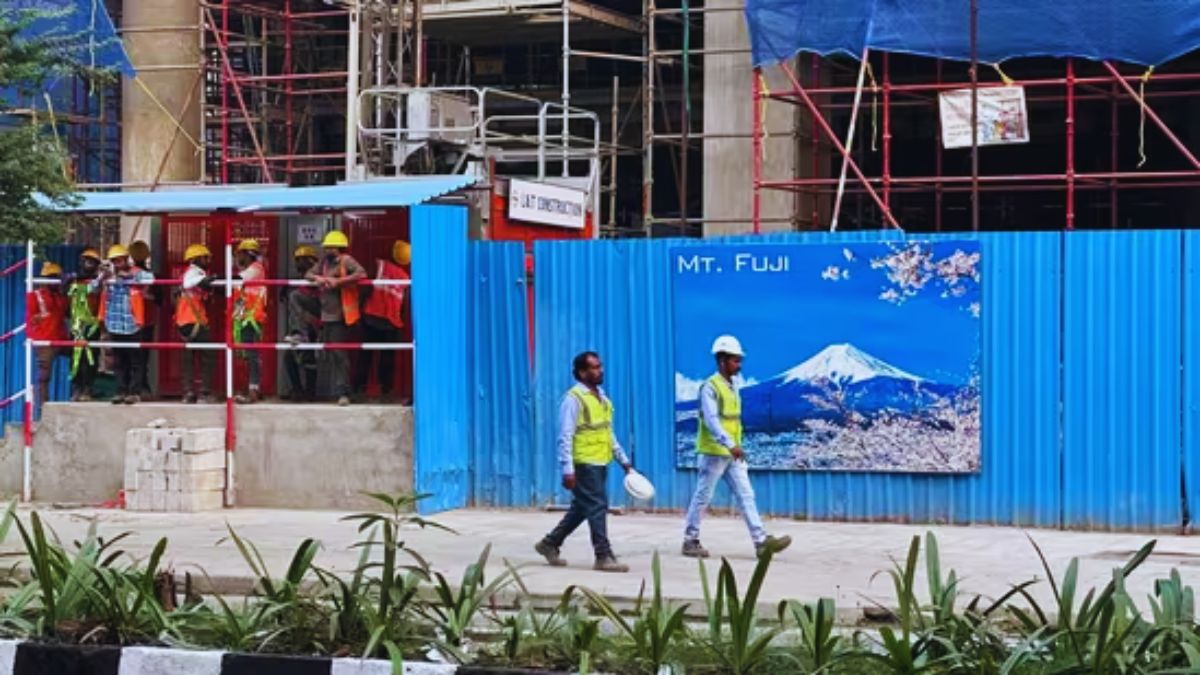
Acknowledging the economic impact of pollution-related restrictions, the government has announced INR 10,000 in financial assistance for construction workers who have lost income due to activity curbs under GRAP.
According to officials, Stage III of GRAP has been in effect for the past 16 days, during which construction and other polluting activities were halted, leaving many daily-wage workers without earnings. The compensation is aimed at easing their financial burden.
Workers registered with the government will be eligible for the assistance, and compensation will continue for the duration that Stage IV of GRAP remains in force. The registration process is currently underway.
Essential Services Exempted
Employees engaged in essential services, such as hospitals, emergency response teams, fire services, and departments directly involved in pollution management, are exempt from the work-from-home rule and compensation scheme.
The Delhi government said it will review pollution levels on a daily basis and adjust measures depending on air quality trends and forecasts from monitoring agencies. For now, the work-from-home directive remains a key component of the city’s strategy to manage the ongoing air pollution emergency and safeguard public health.





Be First to Comment