Dr. Kanike Priyanka, a 28‑year‑old medical graduate pursuing a master’s degree in dermatology at GSL Medical College in Rajahmundry, died on Sunday at around 3:25 p.m. while receiving treatment at KIMS Hospital in Secunderabad. Her death followed a week of intensive neurocritical care after she was critically injured in a road‑traffic accident involving a car driven by two alleged intoxicated youths.
Accident details and immediate aftermath
The incident occurred on the night of August 3, when Dr. Priyanka and a friend were leaving the Prasaditya Mall multiplex on AV Apparao Road in Rajahmundry. The pair were riding a two‑wheel vehicle when a car driven by two local youths, identified by police as Souravarapu Daswanth and Andrew Joseph Edwards, allegedly under the influence of alcohol, struck their bike.
According to eyewitness statements and police reports, the car first made a light impact with the bike. Dr. Priyanka is said to have questioned the drivers, an action that reportedly angered the occupants. The car then accelerated and collided with the bike a second time, knocking Dr. Priyanka onto the pavement. The vehicle subsequently ran over her, causing severe head injuries that later proved fatal.
Emergency services transported Dr. Priyanka to a local hospital in Rajahmundry, where she received initial treatment. Within hours, she was transferred to KIMS Hospital in Secunderabad, a facility equipped with a specialized neurocritical care unit. Over the next seven days, a team of neurologists and intensive‑care specialists worked to stabilize her condition, but her injuries did not improve, leading doctors to pronounce her dead on Sunday.
Legal response and custody of the accused
Following the crash, local law‑enforcement officials arrested both Daswanth and Andrew Joseph. The two were presented before a local court, where the magistrate ordered a remand of 14 days of judicial custody. Police statements indicated that the arrests were based on evidence of intoxication and reckless driving, though further legal proceedings remain pending.
The case has quickly become a focal point for discussions on road safety in the Telugu states. Authorities have emphasized that the arrests demonstrate a commitment to enforcing existing drunk‑driving statutes, while also acknowledging the need for broader public awareness campaigns.
Public outcry and calls for stricter enforcement
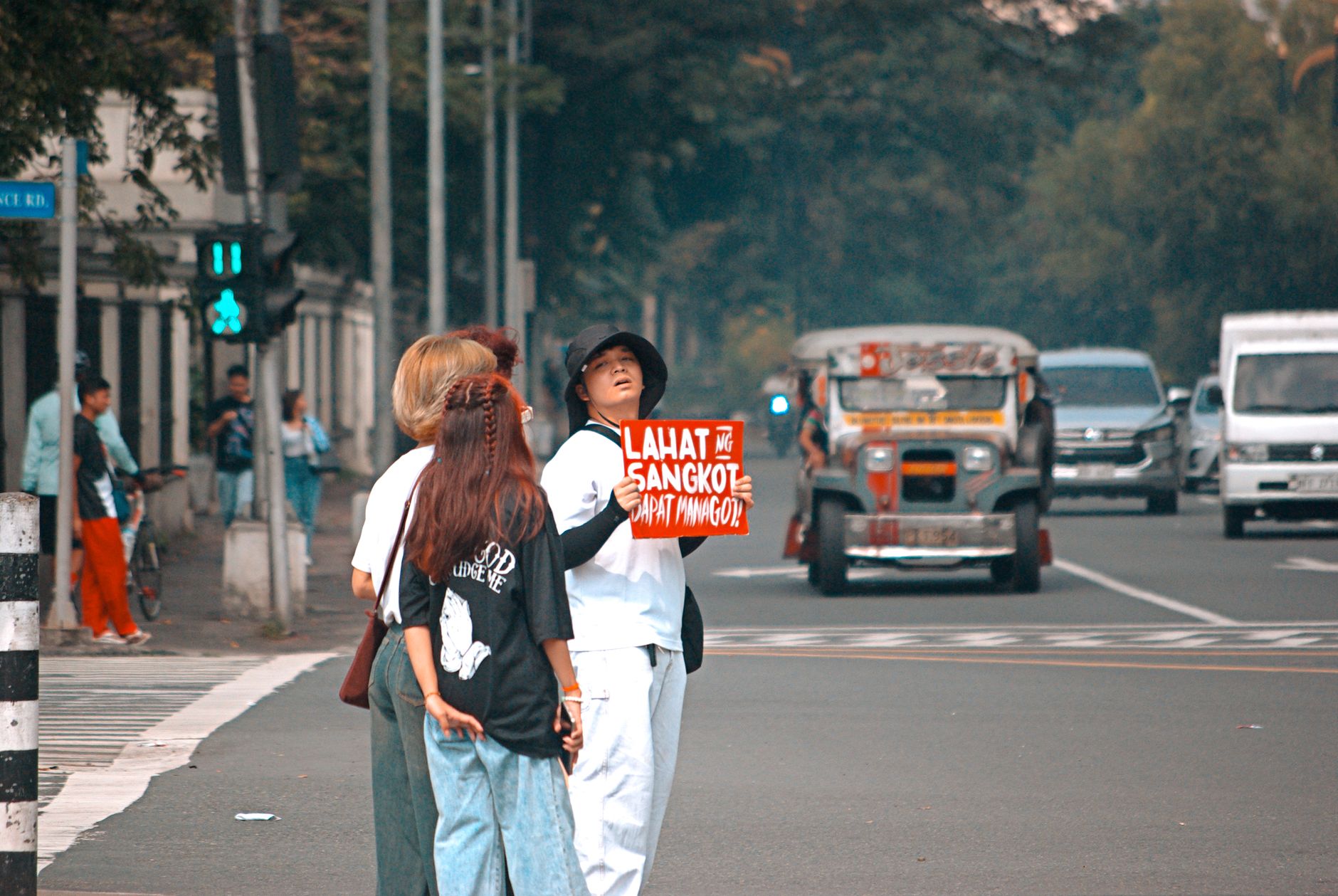
The tragic death of Dr. Priyanka has sparked widespread outrage across Andhra Pradesh and Telangana. Student groups, medical associations, and ordinary citizens have taken to social media and public demonstrations to demand zero tolerance for driving under the influence. Many have highlighted the loss of a promising young professional as a stark illustration of the human cost of reckless behavior on the road.
Dr. Priyanka’s father, Venkatesh, addressed the media shortly after the pronouncement of death, expressing profound grief and condemning the senseless loss caused by drunken driving. His emotional appeal resonated with many, reinforcing calls for stricter penalties and more rigorous enforcement of traffic laws.
Medical bodies, including the local chapter of the Indian Medical Association, issued statements mourning the loss of a colleague and urging policymakers to prioritize road‑safety measures. The statements stressed that the medical community often witnesses the downstream effects of traffic accidents, and that preventing such incidents should be a public‑health priority.
Background on Dr. Kanike Priyanka
Born in Eklaspuram, a village in Aiza Mandal of Jogulamba Gadwal district, Dr. Priyanka pursued her undergraduate medical education before enrolling in a second‑year MD program in dermatology at GSL Medical College. Colleagues described her as a diligent student with a keen interest in clinical research and community health. Her peers noted her commitment to serving underserved populations, a trait that made her loss feel particularly acute within the regional medical community.
Friends who were with her at the mall recounted that she had been celebrating the completion of a recent academic milestone before the accident. The suddenness of the event, combined with the severity of her injuries, left many questioning how a routine outing could end in such tragedy.
Implications for road‑safety policy
The incident arrives at a time when both Andhra Pradesh and Telangana are grappling with high rates of traffic‑related fatalities. Government reports indicate that drunk driving remains a leading cause of road deaths in the region. In response to the public outcry, state officials have pledged to review existing enforcement mechanisms, including random breath‑testing checkpoints and stricter penalties for repeat offenders.
Legal experts note that the 14‑day judicial custody ordered for the accused is consistent with standard procedure for cases involving serious bodily injury. However, they caution that the ultimate sentencing will depend on the outcome of the investigation, forensic analysis of blood‑alcohol levels, and the court’s assessment of intent.
Advocacy groups have called for the introduction of mandatory educational programs for young drivers, emphasizing that the victims of such crashes are often individuals in the early stages of their professional careers, as exemplified by Dr. Priyanka’s profile.
Conclusion
The death of Dr. Kanike Priyanka underscores the profound human toll of reckless, alcohol‑impacted driving. While the legal process proceeds against the two accused youths, the broader conversation about road safety, enforcement, and public awareness continues to gain momentum across the Telugu states. As families mourn, the incident serves as a somber reminder that preventive measures and stringent enforcement are essential to avert similar tragedies in the future.






Be First to Comment