When a casual athlete decided to tackle Sydney’s iconic City2Surf race, the primary obstacle was not the 14‑kilometre course but a long‑standing dislike of running. Seeking a low‑pressure approach, the runner turned to Google Gemini for a personalized training schedule that could accommodate a busy week of badminton and cycling.
Initial Planning with Gemini
In late December 2025, the runner asked Gemini, “How realistic is it for a beginner runner to train for City2Surf starting next week?” Gemini noted that the event, slated for August 9, gave ample time for preparation. It explained that most beginner‑friendly plans span 12 to 16 weeks, meaning a start in early January would place the athlete in a strong position to not only finish the race but also enjoy the experience.
City2Surf follows a 14‑kilometre route that begins in Sydney’s central business district and finishes at Bondi Beach. The course is known for its hills, including a two‑kilometre stretch with an average gradient of three to four percent, equating to roughly 75 to 80 metres of elevation gain.
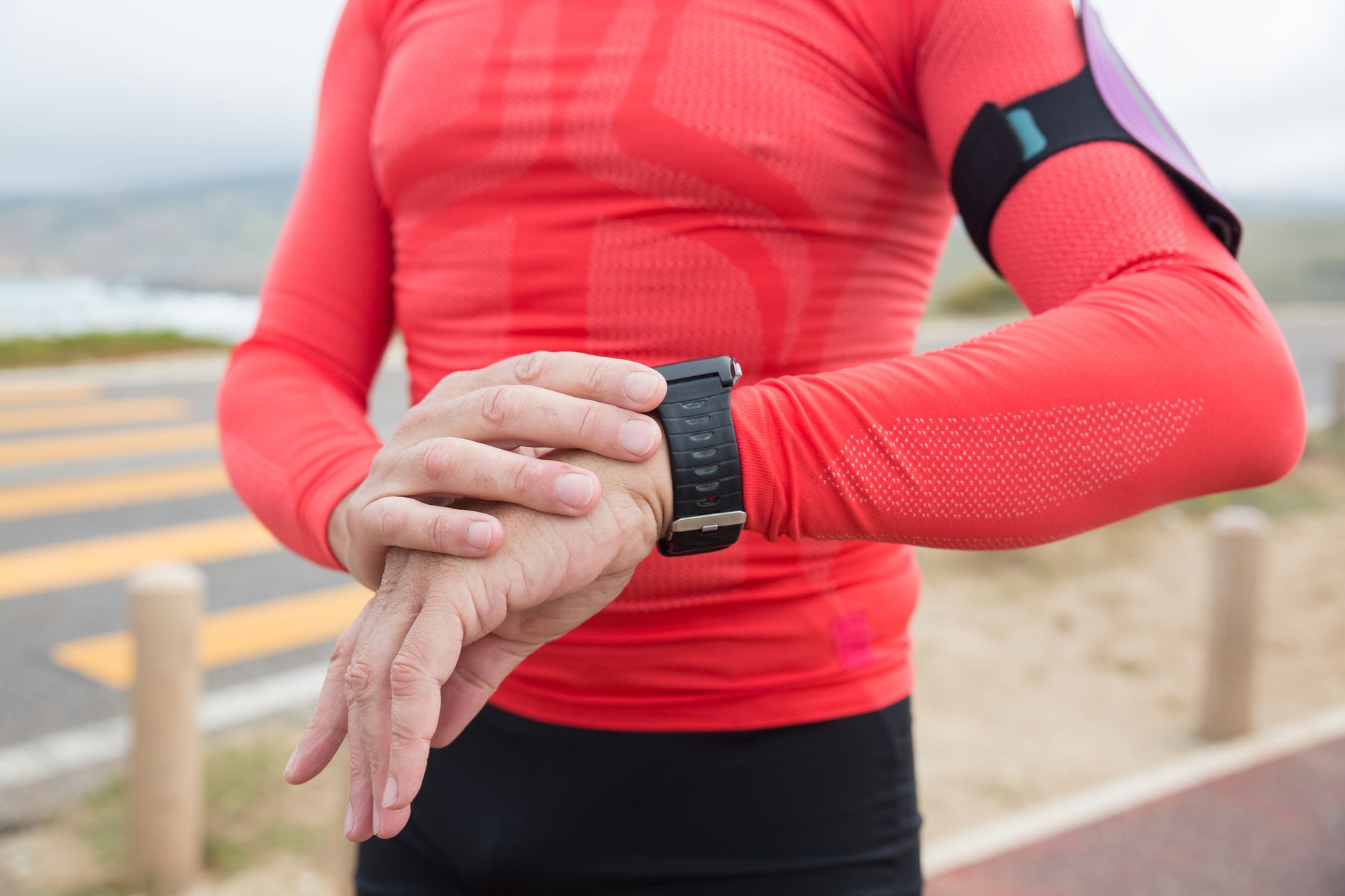
Gemini supplied a general overview of the weekly schedule, balancing run sessions with the runner’s preferred cross‑training activities. To ensure the plan could be tracked, the AI also provided step‑by‑step instructions for entering workouts into an older Garmin watch. While reviewing the options, Gemini suggested testing the newly released Garmin Forerunner 70 and 170 series. The runner selected the Forerunner 170 Music edition, attracted by its built‑in music playback, Garmin Pay wireless payments, and voice prompts that could replace the need for a bulky iPhone 16 Pro Max during runs.
During the first few weeks, the runner reported that the Forerunner eliminated the distraction of a phone in a running belt and that voice cues helped maintain pacing during interval training. The combination of Gemini’s adaptable plan and the Garmin device allowed the athlete to stay consistent while still attending regular badminton games and bike rides.
Injuries Prompt Plan Adjustments
As the schedule moved into its second phase, the runner experienced Achilles tendonitis, which a physiotherapist attributed to a rapid increase in training load. The condition required more than a month of rehabilitation and rest. Once cleared to run again, the athlete informed Gemini of the missed weeks and asked for guidance. Gemini recommended revisiting an earlier training week rather than restarting the entire program. It also suggested reducing social badminton to one evening per week and substituting the second session with a bike ride to lower leg stress.
Recovery was short‑lived. A chest infection accompanied by a persistent cough forced another month‑long break from running. Confronted with two significant setbacks, the runner chose to postpone participation in the upcoming City2Surf and target the following year’s event instead. Gemini responded positively, describing the decision to forgo the race as “phenomenal” and emphasizing that removing the August 9 deadline would allow a shift from “panic training” to building a “bulletproof foundation for the long run.”
Refocused Routine and Lessons Learned
Without a fixed race date, Gemini restructured the training plan for the next four weeks, limiting sessions to two per week: one day of run‑walk intervals and one longer, uninterrupted easy jog. This reduced load made running feel more intentional and helped the athlete maintain balance with other activities without excessive strain.
The runner reflected that the flexibility built into Gemini’s plan prevented the frustration that often follows rigid schedules. When setbacks occurred, the AI offered clear steps to ease back into training rather than demanding a complete restart. The ability to adjust weekly mileage, swap activities, and scale intensity kept motivation steady and avoided the “laziness” trap that can follow an injury.
Despite ultimately missing the original City2Surf goal, the athlete concluded that the journey fostered a sustainable running habit. Gemini proved valuable for beginners seeking a realistic, adaptable framework, but the runner cautioned that AI cannot replace a human coach. While AI can outline structure, pacing, and consistency, it cannot assess running form, provide real‑time encouragement, or enforce accountability during tough sessions.
Overall, the experience demonstrated that an AI‑driven plan, paired with a purpose‑built smartwatch, can transform running from a dreaded chore into an activity that fits comfortably within a broader fitness routine. The runner’s story suggests that, for those willing to treat AI guidance as a starting point rather than an absolute authority, tools like Gemini may offer a practical path toward long‑term athletic development.






Be First to Comment