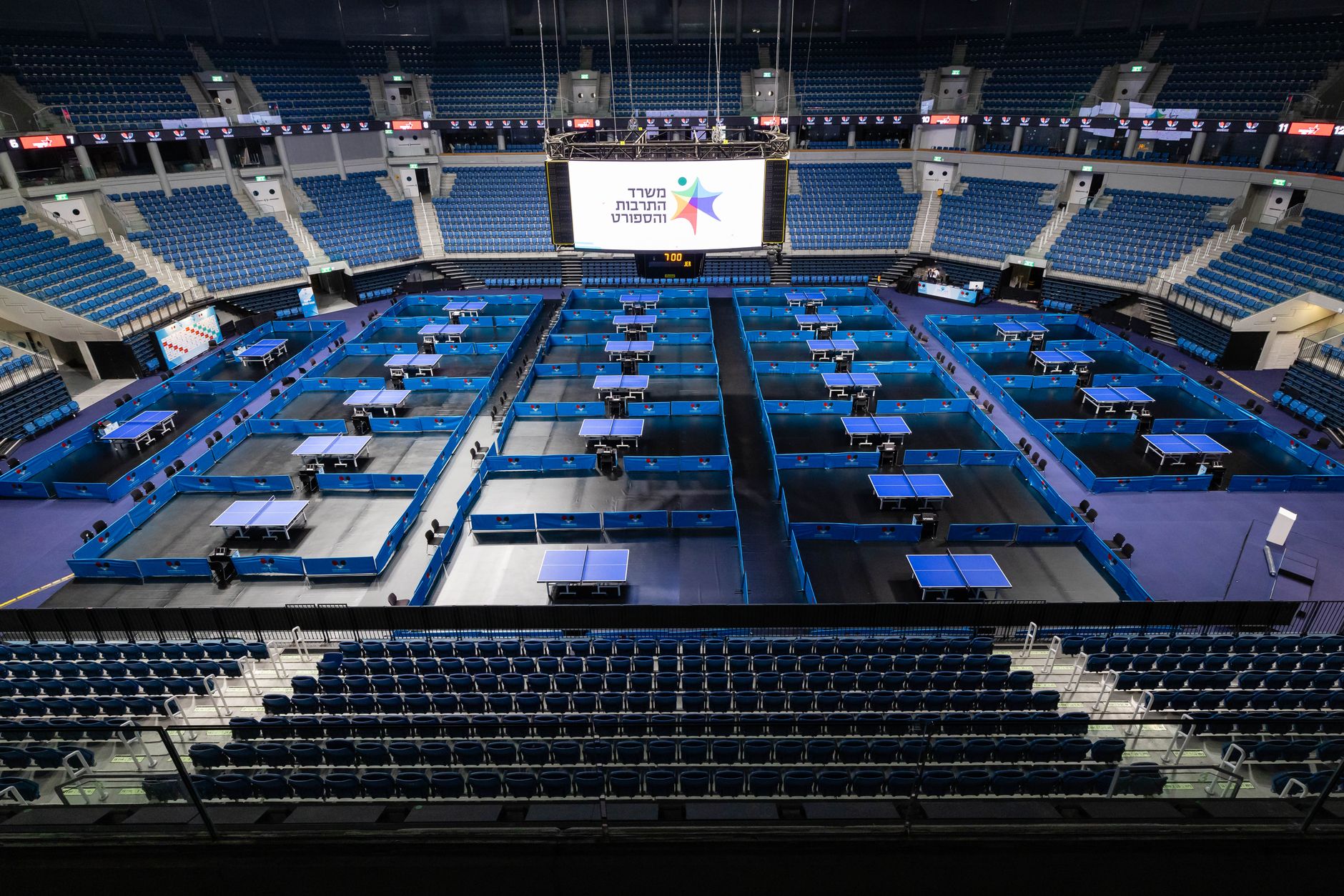
The Badminton Association of India (BAI) and the Sports Authority of India (SAI) have unveiled a comprehensive plan to animal‑proof the Indira Gandhi Indoor Stadium ahead of the BWF World Championships, which begin on Jan. 17. The plan goes beyond new flooring and fresh paint, targeting uninvited wildlife such as monkeys and pigeons, while also upgrading hygiene facilities for athletes, officials and fans.
Animal‑proofing the venue
Among the most unusual elements of the preparation is a four‑man team of professional “monkey whisperers” led by a Delhi resident named Zafar. The trade, passed down from his grandfather to his father and now to him, involves chasing monkeys away from major auditoriums across the capital without the use of chemicals or mechanical devices. Zafar explains that his team mimics the warning call of a langur – a primate traditionally feared by monkeys – and that the vocal imitation forces the animals to retreat.
“When we shout like that, the monkeys run away. This method is effective,” Zafar said. He added that the team also takes care to avoid driving monkeys onto busy roads, noting that langurs historically performed the same function by beating the monkeys away.
The monkey‑deterrent service is contracted at Rs 25,000 per month, a sum Zafar describes as modest and not guaranteed on a regular basis. He works primarily around the IGI Stadium’s north and south blocks, and says that other practitioners have begun learning the technique, even as the profession remains largely unrecognised.
The practice has roots in a now‑banned use of live langurs. For decades, real langurs were deployed on Delhi streets, outside embassies and at the 2010 Commonwealth Games. The Wildlife Crime Control Bureau prohibited their use in 2012 under the Wildlife (Protection) Act, 1972, citing cruelty concerns. The ban gave rise to the current profession of replicating langur calls without involving the protected animal.
Scientific consensus on the method is limited. While folklore holds that rhesus macaques instinctively fear langurs, wildlife experts suggest that the macaques may be reacting more to an aggressive human voice than to a predator sound, making the deterrent psychological rather than biological.
Bird deterrent technology
Pigeons also posed a problem at the India Open in January, when they halted a second‑round match between HS Prannoy and Loh Kean Yew. In response, SAI’s regional executive director for Delhi, Ambar Pratap Singh, outlined a three‑layered approach to keep the birds away from the courts.
The first layer involved mapping and sealing every possible entry point. Broken louvers on exhaust fans, open pylons and spectator galleries with single doors that could be left ajar were identified as the main culprits and have now been plugged.
The second layer draws on technology borrowed from the Ministry of Railways. A non‑toxic, India‑made gel that is normally applied to protect railway wiring from birds has been tested and then spread across the stadium’s ducting and other vulnerable surfaces. Singh said the gel offers a permanent solution by preventing birds from nesting even if an entry point is inadvertently left open.
The third layer consists of ten portable machines, patented in the United States, that emit predatory bird calls across a range of frequencies. These devices operate overnight rather than during matches, providing an internal check that discourages any lingering birds from settling. “If you use that machine, even if there is a bird, that will start flying,” Singh explained.
Facility upgrades beyond wildlife control
In parallel with the animal‑proofing measures, the stadium’s amenities have been overhauled. Eighty toilets across the IGI Stadium campus have been renovated, including 57 inside the indoor arena. Nine of the toilets were completed earlier in the year, with the remainder finished subsequently. Apart from the shower area, every facility now adheres to a single standard intended for athletes, fans and officials.
Stadium engineer and administrator Nidhin Jose emphasized the focus on hygiene, noting that the toilets have been pressure‑tested to ensure durability and cleanliness. Locker rooms have also been refurbished to provide athletes with upgraded changing and storage spaces.
The extensive preparations reflect lessons learned from the India Open, where complaints about hygiene, smog and wildlife interruptions left the BAI on the back foot. By addressing both the physical infrastructure and the wildlife challenges, organisers aim to present a world‑class event that meets international expectations.
Seven months after the India Open raised uncomfortable questions, the Indira Gandhi Indoor Stadium appears ready to host the BWF World Championships with a comprehensive strategy that spans glass doors, predator‑frequency machines, non‑toxic gels and the age‑old tradition of langur‑like calls. The combined effort underscores a commitment to delivering a tournament that is secure, hygienic and free from the disruptions that marred previous editions.






Be First to Comment