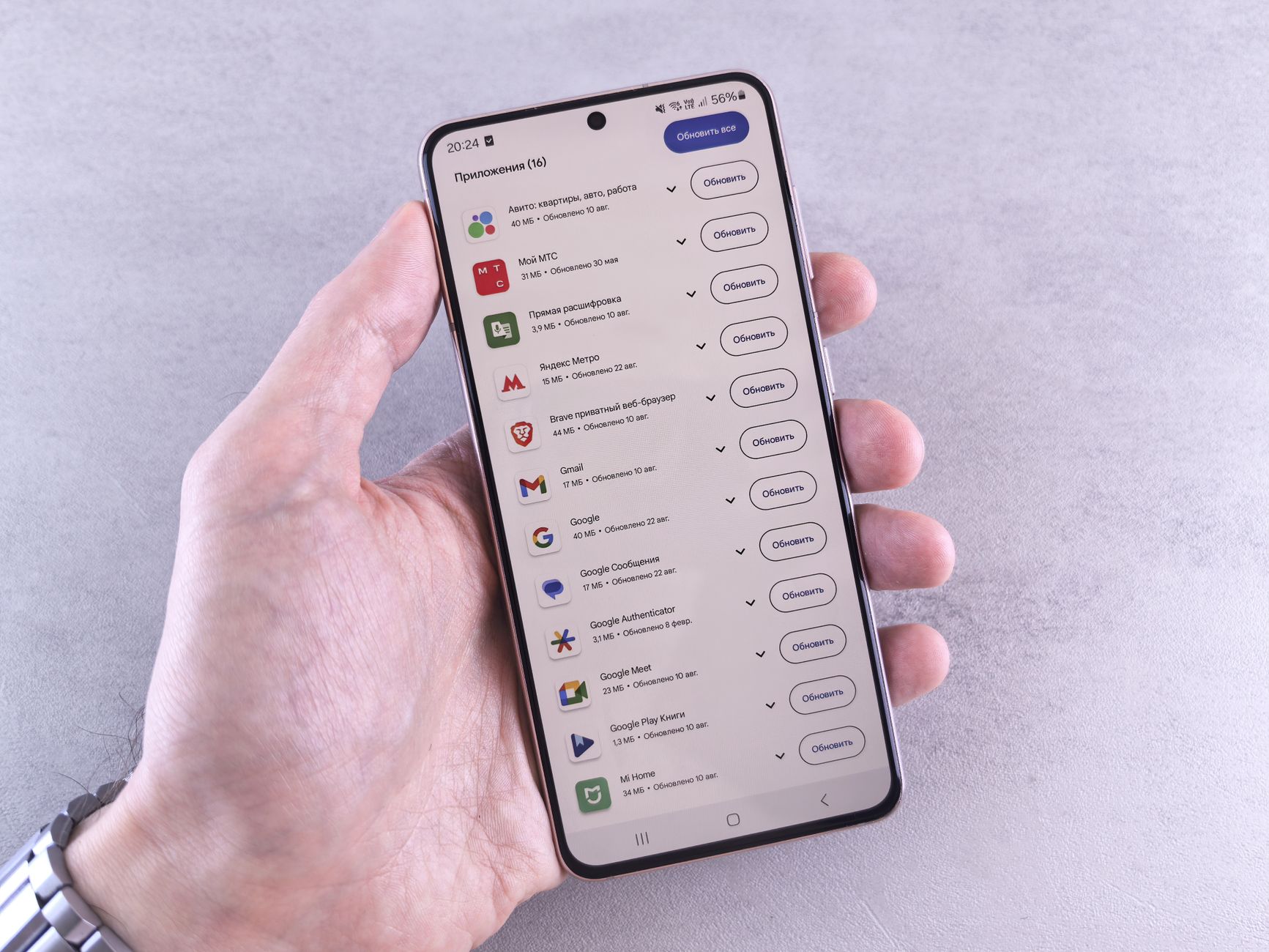
Motorola has disclosed that its upcoming Android 17 update will be made available to a broad roster of devices, with the company estimating that more than 50 smartphones could receive the new version of the operating system. The list spans several of the brand’s current families, such as the Razr foldables, Edge series, Moto G mid‑range line and the business‑focused ThinkPhone range. At the same time, the announcement signals that a number of well‑known older Motorola models will not be upgraded beyond Android 16, as they have reached the end of the software support window promised at launch.
Devices likely to receive Android 17
According to Motorola, the bulk of the eligible phones belong to its newer premium and upper‑mid‑range portfolios. Recent Razr and Edge smartphones, which feature higher‑end processors and larger, more capable displays, are positioned to be among the first to obtain the update. Selected models from the Moto G line and the ThinkPhone series are also expected to be included, though the exact model numbers will determine eligibility. Motorola stresses that two devices sharing a similar name can have different update policies, making it essential for owners to verify the precise model identifier.
The company’s updated software support policy extends the commitment period for many of its latest flagship devices, granting them a longer window for major Android upgrades compared with several older units. In contrast, budget‑oriented phones typically receive fewer major OS upgrades, which aligns with the expectation that a subset of the Moto G family may be left out if they have already fulfilled their promised upgrade cycle.
What Android 17 brings to Motorola phones
Google’s Android 17 is billed to enhance privacy, security, battery management, system speed and connectivity. Motorola plans to integrate those platform‑level improvements with its own custom interface, potentially delivering refined permission controls, smoother multitasking, better background‑app handling and stronger privacy options. Battery‑optimisation features could also translate into more efficient day‑to‑day use for compatible devices.
Foldable models such as the Razr series stand to benefit from Android 17’s enhancements for flexible screens and larger displays. Improvements in app scaling and multitasking may make both the external cover display and the internal screen more functional, especially as Motorola’s recent Razr phones already support app shortcuts and limited interactions on the outer panel.
Motorola typically layers its own software features on top of the base Android experience. Users can therefore anticipate updated personalization tools, new gesture controls, refined device‑connectivity options and additional productivity utilities. However, the company notes that not every feature will be universally available; certain advanced capabilities may require newer processors, specialized sensors or other premium hardware found only on flagship models.
Rollout schedule and user guidance
Motorola does not expect a simultaneous release across all eligible devices. As is customary with major Android upgrades, the rollout will proceed in phases, giving priority to newer premium phones. After the initial launch, ThinkPhone and Moto G models may receive the update in subsequent waves. The timing can also vary by country, carrier and regional variant, meaning that a phone in one market might see the update weeks before the same model elsewhere.
Motorola advises users to prepare their devices before attempting the upgrade. Recommended steps include backing up important photos, videos and documents; ensuring sufficient internal storage; installing any pending security patches; charging the phone fully; connecting to a stable Wi‑Fi network; and confirming the exact model number. The update can be checked through Settings → System → System Updates, where the option will appear if Android 17 is available for the device and region.
Even after Android 17 begins rolling out, some owners may experience a waiting period of several weeks before the update reaches their handset, depending on carrier testing cycles and regional release schedules.
For devices that will not receive Android 17, Motorola indicates that security‑only patches may continue to be delivered, even if the major OS version remains at Android 16 or an earlier release. The decision to stop major upgrades is typically tied to the software support policy defined at launch, rather than a lack of hardware capability. Nonetheless, older processors, drivers and internal components can pose challenges for preparing and testing a newer Android build.
Overall, the upcoming Android 17 rollout represents a significant software milestone for Motorola’s current lineup, offering a mix of Google’s platform improvements and the manufacturer’s own feature set. While the update promises tangible benefits for users of eligible phones, owners of certain older models will need to continue using the existing Android version, possibly supplemented by ongoing security updates.




Be First to Comment