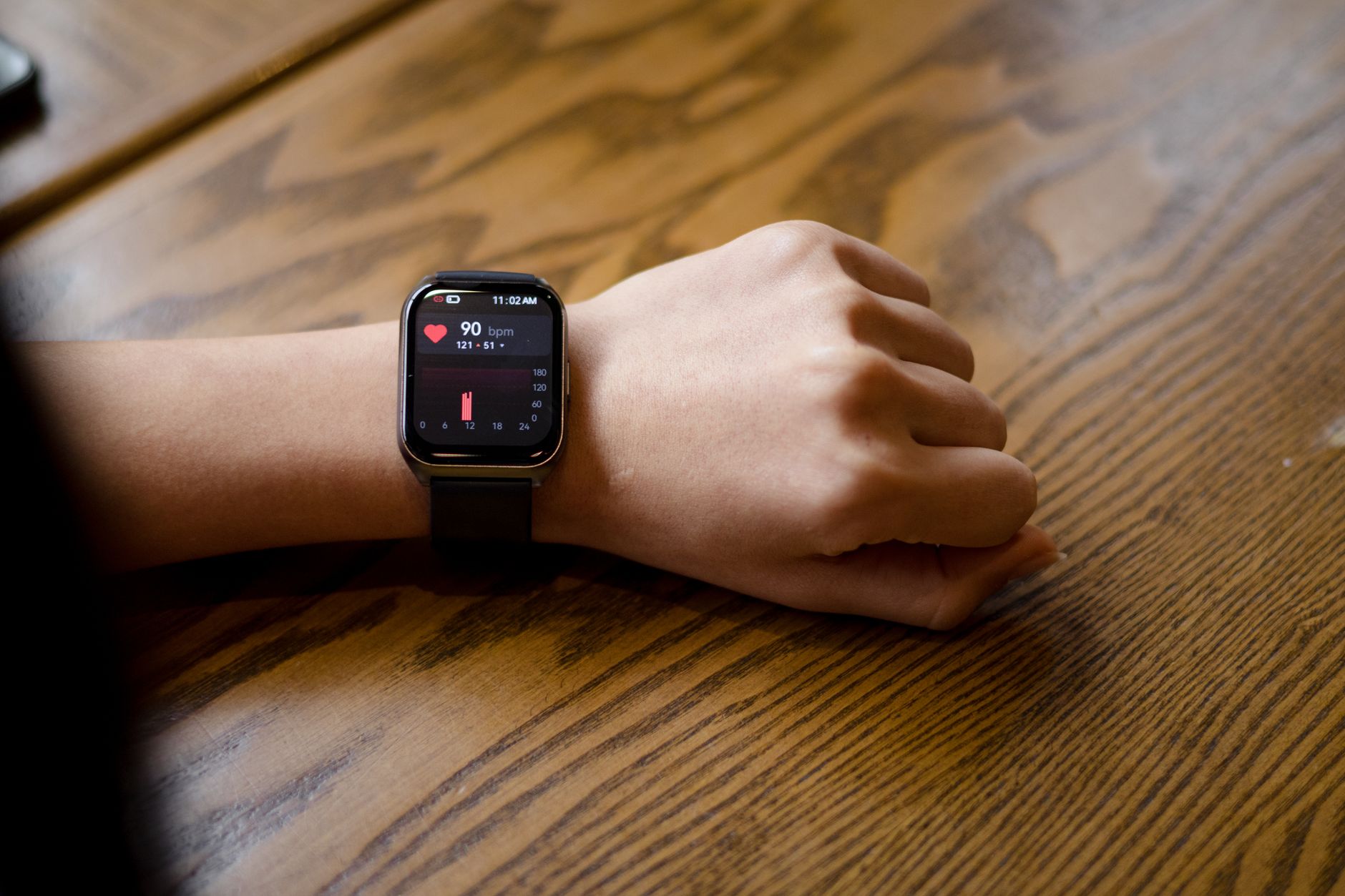
Google is expanding the safety capabilities of its wearable line with a new feature that can recognize a breathing emergency and, if the wearer does not intervene, automatically dial emergency services and notify pre‑selected contacts. The functionality, announced alongside the Pixel Watch 5, is built on artificial‑intelligence analysis of data from the watch’s heart‑rate, motion and altitude sensors.
How the detection works
The system fuses readings from several on‑device sensors. The optical sensor, which shines green, red and infrared light onto the skin, estimates blood‑oxygen saturation and flags sustained, severe drops. Simultaneously, the accelerometer monitors movement to identify prolonged periods of low activity, while the barometer accounts for environmental factors such as high altitude that can naturally lower oxygen levels. These inputs are processed by on‑device machine‑learning models that decide whether the pattern matches a potential breathing crisis.
According to Pramod Rudrapatna, Google’s senior product manager for health, the combination of these signals is intended to keep false alerts to a minimum. The algorithm also checks that the wearer has not been asleep for more than half an hour, a safeguard designed to prevent sleep‑apnea episodes from triggering an emergency call.
Potential benefits and concerns
Google says the feature could prove life‑saving in scenarios such as severe pneumonia, accidental drug overdose or choking. By providing an automated call to emergency responders within 30 seconds of detection—unless the user cancels the alert—the watch aims to assist individuals who are unable to summon help on their own.
Medical experts acknowledge the promise but caution about unintended effects. Dr. Lindsey Rosman, an assistant professor of medicine at the University of North Carolina School of Medicine, noted that photoplethysmography (PPG) sensors have known limitations that can affect accuracy. She praised the requirement for stillness alongside an oxygen drop as a practical way to reduce erroneous alerts, yet warned that notifying users of a life‑threatening event they cannot verify may increase health anxiety and hypervigilance.
Users who prefer not to enable the feature can disable it in the watch’s settings, giving them full control over whether the automated emergency pathway is active.
Regulatory status and rollout timeline
At present, the breathing‑emergency detection is only available in select European markets. The feature has not yet received clearance from the U.S. Food and Drug Administration, and Google has not announced a specific launch date for the United States.
The capability will be rolled out to both the Pixel Watch 5 and the earlier Pixel Watch 4, extending the safety umbrella across two generations of the device. It joins three other health‑monitoring tools under Google’s “Health Guardian” suite, which also tracks insulin‑resistance trends, blood‑pressure patterns and sleep‑breathing quality.
Google’s experience with related safety technology includes the loss‑of‑pulse detection feature introduced on the Pixel 3 Watch in 2025. That earlier tool, which monitors the wearer’s pulse, received FDA clearance and is already available in the United States. While loss‑of‑pulse detection focuses on heart‑rate cessation, the new breathing‑emergency system concentrates on oxygen saturation and related motion cues. Together, the two features could complement each other in detecting emergencies such as drug overdoses.
In summary, the Pixel Watch 5’s AI‑driven breathing‑emergency detection represents a notable step toward more proactive health monitoring in consumer wearables. By leveraging multiple sensor streams and on‑device machine learning, Google hopes to deliver timely assistance while minimizing false alarms. The rollout will begin in Europe, with U.S. availability pending regulatory approval, and users retain the option to opt out if they prefer a more traditional, manual approach to emergency calling.





Be First to Comment